When Gadi Eisenkot walked through Kibbutz Nir Oz to launch his election day campaign, he didn't bring a entourage of media advisers or flash standard political smiles. He walked shoulder to shoulder with Gadi Mozes, an 80-year-old former hostage who endured 482 agonizing days in Hamas captivity.
That single walk framed the entire choice facing Israeli voters in this election—the first general election held since the October 7 massacre.
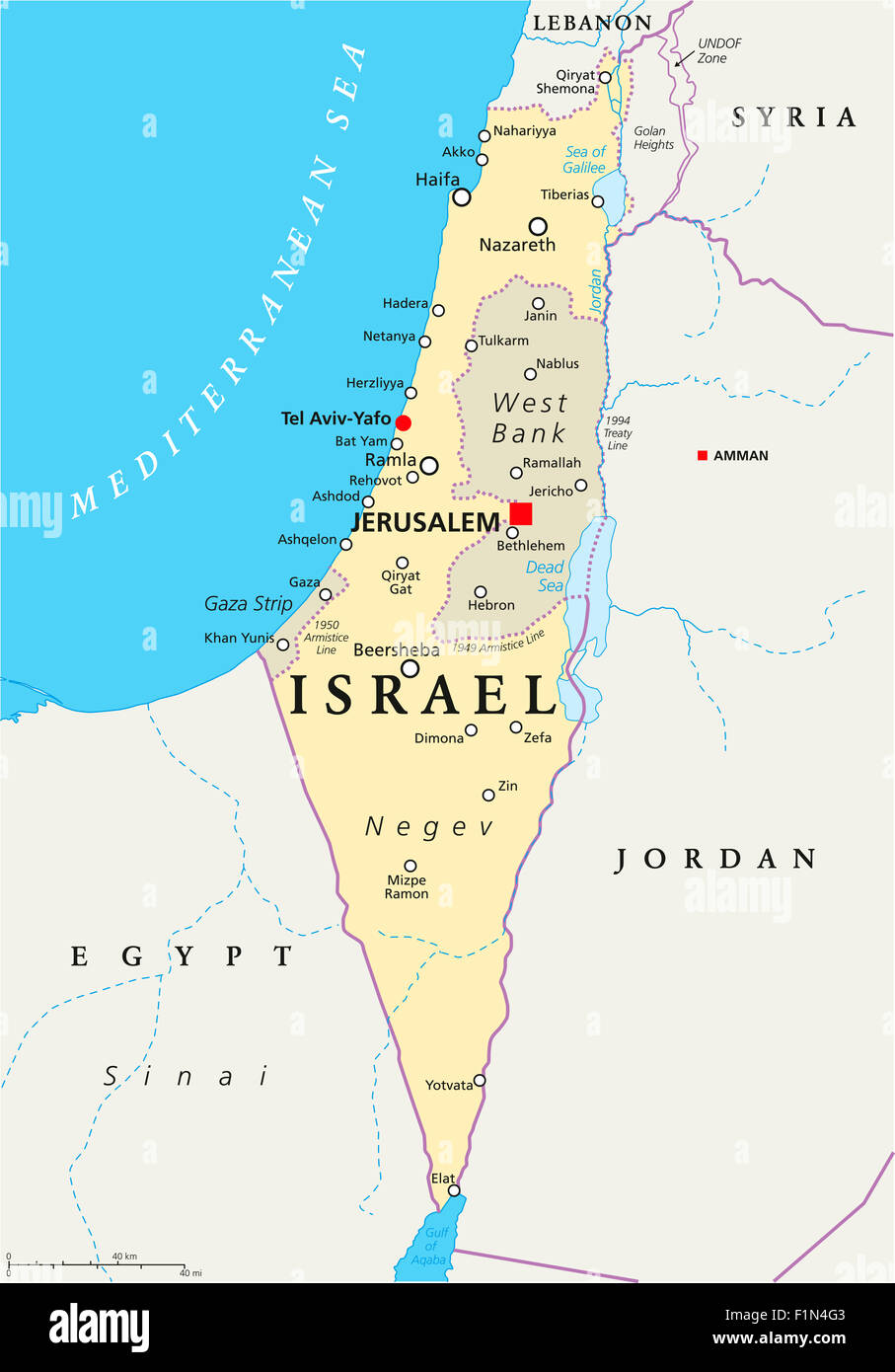
Nir Oz isn't just another campaign stop on a political map. It's ground zero for Israel's open emotional wound. On October 7, 2023, roughly a quarter of the kibbutz's residents were killed or kidnapped. For three years, surviving members have demanded accountability while living through the grueling aftermath. By choosing this devastated community to begin his final push, Eisenkot made a deliberate, sharp point: leadership starts with standing where the damage occurred.
       ELECTION DAY MOVES IN THE GAZA ENVELOPE

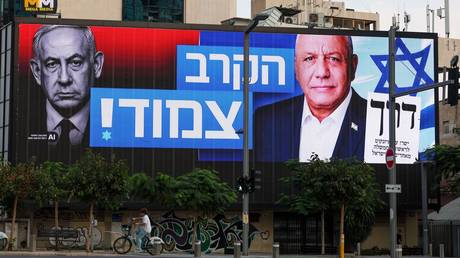
  Gadi Eisenkot (Yashar)      Benjamin Netanyahu (Likud)
 ┌──────────────────────────┐  ┌──────────────────────────┐
 │ • Starts at Nir Oz       │  │ • Focuses on strongman   │
 │ • Walked with Gadi Mozes │  │   defensive posture      │
 │ • Demands accountability │  │ • Emphasizes 19-year     │
 │ • Promises healing       │  │   governance record      │
 └──────────────────────────┘  └──────────────────────────┘
The Personal Weight Behind the Politician
Plenty of politicians visit disaster sites to snap photos and drop sympathetic quotes. But Eisenkot’s presence carries a different weight, and voters know it.
Eisenkot isn't an outsider looking in. As a former Chief of Staff of the Israel Defense Forces (IDF), he understands the military machinery inside out. More importantly, his family paid a devastating personal toll in the war that followed October 7. He lost his son, Gal, and two of his nephews in Gaza combat operations.
When Eisenkot promises to bring healing and repair, he speaks as both a general who led the army and a grieving father who lost his child in the very conflict spawned by that terrible morning.
"I pledge to do everything I can to ensure that we are worthy of the price you paid, the price the kibbutz paid and the price we all paid," Eisenkot told reporters outside the polling station.
That statement hits hard because it cuts straight to the core issue dominating this election: accountability.
Three Years of Evasion vs. The Demand for Healing
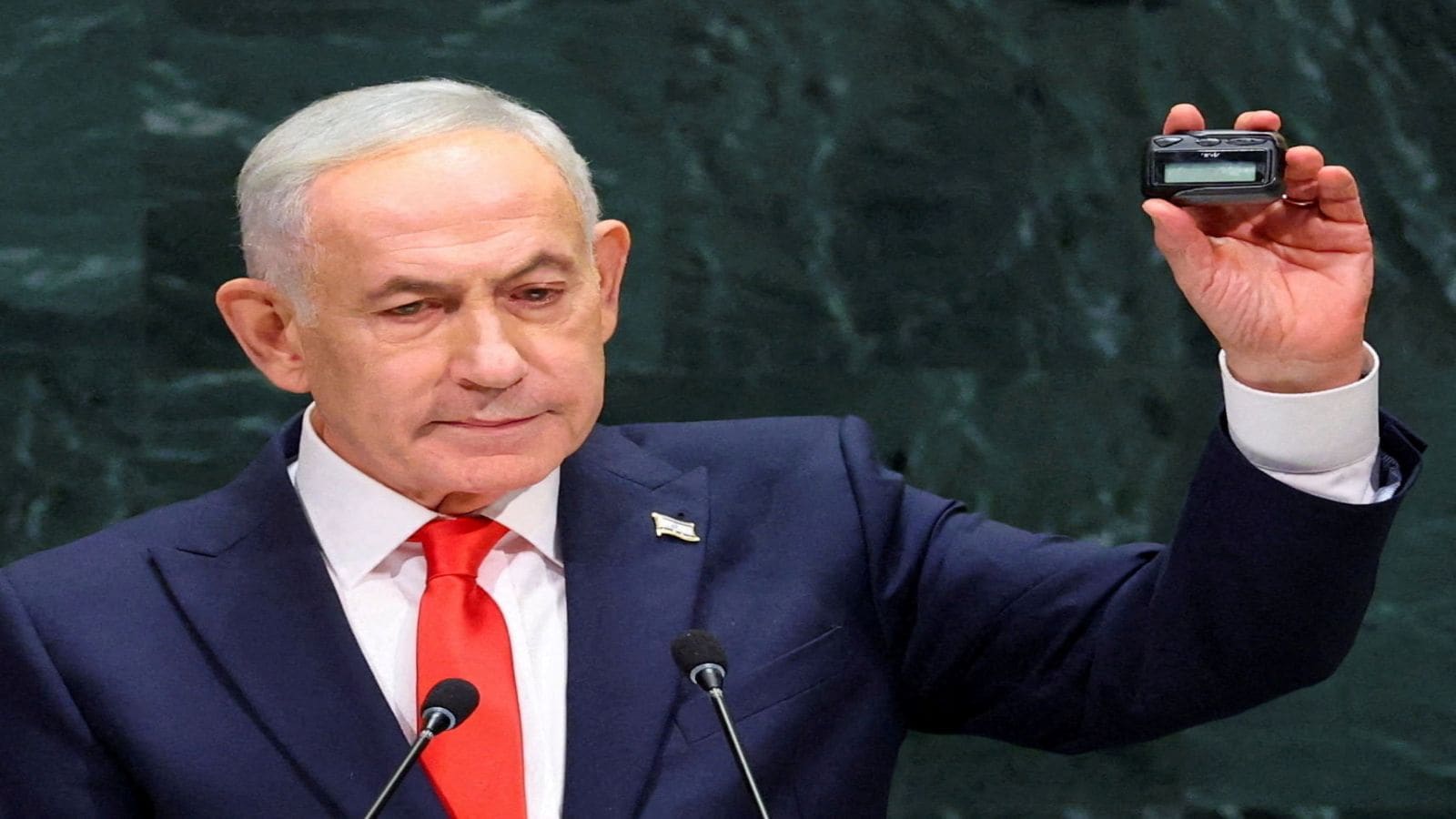
While Eisenkot campaigned alongside survivors in the Gaza Envelope, Prime Minister Benjamin Netanyahu leaned heavily on his traditional strongman image, warning voters that Israel's enemies wanted his coalition to lose.
Netanyahu has held onto power for 19 years across multiple terms, navigating Israel through endless political storms. Yet, three years after the security failures of October 7, his administration still faces fierce criticism for refusing to accept direct responsibility for the lapses that allowed the attack to happen.
Eisenkot didn't hold back on election morning:
"If someone in the government had even a shred of responsibility, he would start the morning here, in the Gaza Envelope. Three years after the debacle, they continue to flee from responsibility."
The political rift couldn't be starker:
- Netanyahu's pitch: Continuity, wartime toughness, and security strength.
- Eisenkot's pitch: Systematic reform, state accountability, restoring public trust, and social healing.
Former Prime Minister Naftali Bennett cast his vote in Ra'anana, while Yisrael Beytenu leader Avigdor Liberman voted in Nokdim, calling on citizens to turn out in record numbers. But the narrative epicenter of the day remained firmly anchored in the southern kibbutz communities.
What Public Opinion Polls Are Showing
Heading into election day, polling trends indicated a tight race, with Eisenkot's newly formed Yashar party holding a slender lead over Netanyahu's coalition block.
Israeli voters are sharply divided over three core questions:
- Who should be held accountable for the military and intelligence failures of October 7?
- How should Israel protect the independence of its judiciary and democratic institutions moving forward?
- Which leader possesses the credibility to rebuild broken border communities and mend internal societal fractures?
Eisenkot’s surge in the polls reflects a growing appetite among voters for pragmatic, non-ideological leadership rooted in public service rather than political survival.
Key Takeaways for Following the Results
If you're watching the election results unfold, keep an eye on these critical indicators:
- Turnout in Southern Communities: High voter participation in the Gaza Envelope signals strong demand for policy changes regarding border security and rehabilitation funding.
- The Centrist Coalition Math: Watch whether Yashar can build a stable majority without falling into the coalition paralysis that triggered repeated elections in recent years.
- Accountability Mandates: The winning coalition will immediately face pressure to establish an official State Commission of Inquiry into the October 7 failures—a measure Eisenkot strongly supports and Netanyahu's ally base has consistently delayed.
Track the incoming exit polls closely as voting stations close tonight; the margin between a renewed Netanyahu mandate and an Eisenkot-led reform government remains razor-thin.