When a household budget breaks, people rarely blame just one line item. Political commentators love to pin every single election upset on whatever commodity price happens to be spiking on cable news. During the recent midterm elections, gas prices took the brunt of the headlines as pump costs surged following geopolitical friction in the Middle East. Yet if you look past the initial shock of filling up a tank, the data reveals a much deeper, pervasive exhaustion with the American cost of living.
Voter polling data from major networks and the Associated Press shows that three out of four Americans went to the polls feeling frustrated or outright angry about the state of the economy. While fuel prices grabbed attention, groceries, utilities, healthcare, and housing created an inescapable financial trap for millions of families. Understanding what actually drove this voter backlash requires looking beyond seasonal spikes at the pump and examining the structural squeeze on everyday wallets.
The Reality Behind Household Financial Hardship
We often talk about inflation as an abstract macroeconomic indicator, but voters experience it as a series of daily rejections at the register. Roughly eight in ten voters reported that inflation caused moderate or severe financial hardship for their households. Wages simply failed to keep pace with the relentless climb of everyday essentials over the preceding years.
When buying groceries costs significantly more than it did two years prior, and utility bills jump after a brutal summer or winter, people notice. It doesn't matter what the monthly jobs report says on paper. If a routine auto repair or an electricity bill drains a family's meager savings, the economic reality feels bleak. This persistent anxiety crossed party lines, catching many campaigns off guard as voters prioritized basic affordability above all else.
Why Tariffs and Global Shocks Amplified the Anger
Voters didn't just feel squeezed; they assigned blame. Public opinion surveys indicated that a substantial majority of the electorate believed federal policies—specifically aggressive import tariffs and foreign conflicts—actively worsened their financial standing.
When a president promises to lower costs but inflation remains stubbornly higher than when they took office, trust evaporates. Tariffs designed to protect domestic industries often ricochet back onto consumers in the form of higher retail prices for manufactured goods and electronics. Combine those structural trade policies with sudden supply shocks affecting fuel, and you get an electorate convinced that Washington's decisions are actively driving up the cost of living.
Beyond the Pump: Groceries, Healthcare, and Housing
While a spike of over seventy percent in gas prices across certain regions made commuting a painful daily reminder of inflation, other expenses proved even more damaging over the long haul.
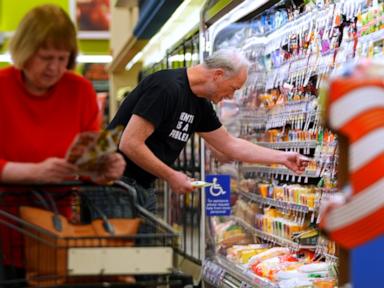
- Groceries: Feeding a family became a weekly exercise in compromise, with basic staples eating up a much larger share of disposable income.
- Housing and Utilities: Skyrocketing rent and home insurance costs, paired with higher heating and cooling bills, left very little room for error.
- Healthcare: Premium increases and out-of-pocket medical expenses added a layer of chronic stress that could not be solved by a temporary dip in crude oil markets.
When these pressures compound, fuel prices become the straw that breaks the camel's back rather than the sole grievance. People were angry because the foundational stability of working-class and middle-class life felt increasingly out of reach.
What This Means for Future Policy and Elections
Politicians ignore broad-based affordability crises at their own peril. When economic frustration reaches a boiling point, party loyalties fracture. Electorates swing toward whichever platform promises immediate relief, turning midterm cycles into referendum votes on incumbent competence.
If leaders want to regain the trust of frustrated constituents, tinkering with short-term energy releases won't cut it. Real solutions require addressing the structural drivers of inflation, housing supply, and wage stagnation. Until everyday essentials become genuinely affordable again, economic anxiety will remain the dominant force shaping American politics.