Graphite doesn't sound sexy. It marks pencils, lines brake pads, and gets ignored until your phone battery dies or an electric vehicle supply chain snaps. Yet beneath the retreating ice sheets of Greenland, prospectors and geologists are fighting biting Arctic winds over this exact material. Why? Because the global transition away from fossil fuels depends on it just as much as lithium or cobalt.
If you look past the headlines about geopolitical power grabs over Arctic shipping lanes, you find a grittier reality. Teams are camped out on rocky fjords, drilling into ancient metamorphic rock, trying to pull out a mineral that modern tech manufacturing can't survive without.
The Quiet Powerhouse Inside Every EV Battery
People talk endlessly about lithium when discussing electric vehicles. That's a mistake. A typical electric vehicle battery actually contains significantly more graphite by weight than lithium. It forms the anode, the negative electrode that stores energy while the battery discharges.
China currently dominates the processing and supply of natural graphite worldwide. Western automakers and industrial nations hate this vulnerability. They want diversified supply chains, which explains why deposits in remote regions suddenly attract millions in venture capital and intense diplomatic scrutiny.
Greenland holds some of the oldest rock formations on the planet. For decades, those formations stayed locked under miles of glacial ice. As temperatures rise and ice retreats, previously inaccessible terrain opens up. Mining companies see economic salvation and strategic leverage. Local communities see a complex balancing act between financial independence and environmental preservation.
What a Field Day Looks Like on an Arctic Prospect
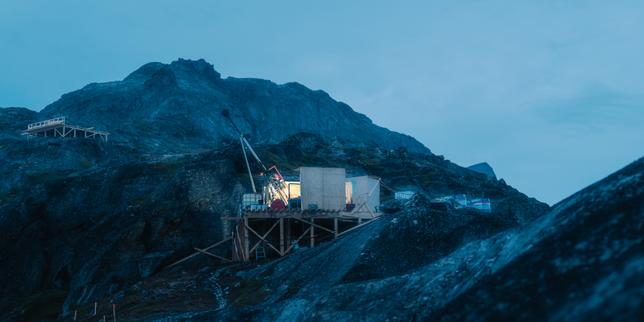
Working on a graphite deposit in Greenland requires throwing out conventional industrial expectations. There are no paved highways leading to the drill sites. Helicopters serve as buses. Heavy machinery arrives by cargo ship during the narrow summer window when sea ice clears enough to let vessels through.
Geologists deal with brutal weather shifts in a matter of hours. Clear blue skies turn into blinding snow squalls that ground all air traffic instantly. Crew members live in modular camps anchored securely against katabatic winds that can easily tear tents or equipment away.
Drilling isn't just about punching holes in the ground. Cores must be pulled, cataloged, logged, and shipped off for assays to determine carbon purity. Natural flake graphite needs specific structural traits to qualify for battery-grade applications. High purity translates directly to better energy retention and faster charging speeds in consumer electronics and grid-scale storage systems.
The Economic Tightrope for Local Autonomy
Greenland isn't just an empty rock waiting for foreign mining corporations to pillage. It's home to roughly 57,000 residents, predominantly Inuit, who are actively building a path toward full political and economic independence from Denmark.
Block grants from Copenhagen still prop up a massive chunk of the local budget. Mineral wealth represents the most realistic ticket to genuine self-sufficiency. Leaders in Nuuk want jobs, infrastructure funding, and long-term revenue streams.
At the same time, subsistence fishing and hunting remain cultural and literal lifelines. Contaminating fjords or disrupting marine ecosystems would devastate local communities. Regulations remain strict, forcing mining developers through exhaustive environmental impact assessments before a single shovel of earth moves permanently.
Moving Beyond the Hype
The narrative surrounding Arctic resource extraction often swings wildly between two extremes. One side paints it as an inevitable ecological disaster driven by greedy multinationals. The other frames it as a miraculous technological savior that will magically power the green transition overnight.
Neither story matches reality. Developing a mine in the Arctic takes a decade or more from initial discovery to commercial production. Permitting, financing, metallurgical testing, and logistical hurdles crush many projects before they ever break ground.
Graphite extraction in Greenland is happening, but it is slow, grueling, and expensive. The teams out on the rocks aren't chasing quick fortunes. They're laying down the foundational infrastructure for a global supply chain that desperately needs alternatives. Keep an eye on how these projects navigate local consent and financing hurdles over the next few years. That outcome will determine whether Greenland becomes a model for ethical resource extraction or just another cautionary tale of boom-and-bust industrial cycles.