Two decades and a half have vanished since hijacked planes reshaped modern history, yet the legal and emotional reckoning at Guantánamo Bay remains stubbornly unresolved. If you travel down to the isolated U.S. Navy base on the edge of Cuba, you won't find swift justice or a clean sense of closure. Instead, you find a sprawling military compound where the legal proceedings for the architects of the September 11 attacks drag on through endless procedural delays, leaving victims' relatives grappling with a profound sense of exhaustion and detachment.
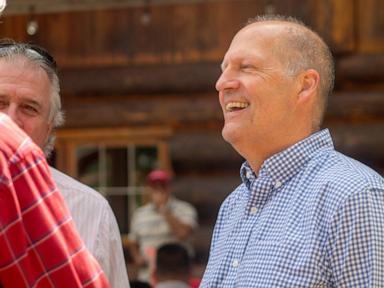
Let's look at the reality on the ground. When families of the victims visit the base to witness court hearings or leave memory stones and personal notes, they encounter an environment that feels starkly disconnected from the national grief back home. The physical distance mirrors the bureaucratic chasm. Years of motion practice, debates over the admissibility of evidence tainted by torture, and shifting judicial timelines have turned the tribunal process into a slow-moving marathon with no clear finish line in sight.
The Cost of Endless Legal Purgatory
Why does it take over twenty years just to schedule a trial? The core complication stems from the initial decision to use military commissions rather than standard federal civilian courts. That choice triggered decades of constitutional challenges. Defense attorneys have continuously fought to unpack how CIA interrogation methods impacted their clients' confessions. Every motion sets off a fresh cycle of appeals, pushing trial dates further into the future—such as recent scheduling orders pointing toward 2028.
For the people who lost parents, spouses, and children on September 11, this procedural purgatory takes a heavy toll. You wake up year after year hoping for a verdict, only to watch another round of pre-trial hearings collapse or get postponed. The memories of that horrific Tuesday remain vivid in family living rooms across America, but inside the courtroom at Guantánamo, the process feels cold, clinical, and increasingly remote from human suffering.
Why Plea Deals and Trials Keep Stalling
The legal battles over accountability have repeatedly fractured. When plea agreements are floated, they spark intense political friction between prosecutors, defense teams, and Washington officials. Some legal experts argue that negotiated outcomes are the only realistic path to securing finality before aging defendants pass away or legal technicalities derail the cases entirely. Others insist that nothing short of a full public trial will satisfy the public interest.
Meanwhile, the military base itself has evolved into a multi-use facility, hosting migrant detention operations alongside these high-profile terrorism proceedings. This strange juxtaposition deepens the surreal atmosphere of the compound. It is a place where monumental historical trauma collides with bureaucratic stagnation.
Moving Past Empty Promises
If we want to understand why closure feels impossible, we have to look past the political rhetoric and examine the structural failures of the military commission system. Designing a parallel justice system outside the mainland created a labyrinth of legal gray areas that lawyers are still untangling today.
The practical takeaway for anyone following this saga is simple: don't expect a sudden, neat resolution. The trials, appeals, and debates surrounding accountability will likely persist for years. For the families carrying the weight of 2001, the true burden isn't just the memory of what was lost—it's the exhausting wait for a legal system to deliver a final word that may never truly arrive.