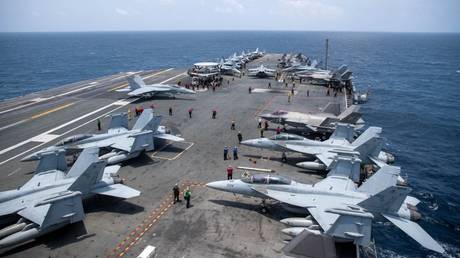
Political shockwaves hit Michigan on the eve of the midterm elections. Outgoing Democratic Representative Haley Stevens crossed party lines to endorse Republican Mike Rogers for the U.S. Senate, completely upending a closely watched race. Meanwhile, thousands of miles away across the Middle East, Gulf Arab nations are holding their breath. Rumors of renewed U.S. and Israeli military strikes against Iran are keeping regional leaders awake at night.
Domestic chaos and foreign policy crises rarely collide so abruptly, but this week proves otherwise.
The Michigan Senate Implosion
Let's talk about what happened in Detroit. Haley Stevens lost a bitter Democratic primary to progressive Abdul El-Sayed back in August. While she initially offered standard token support, bad blood lingered. Tensions boiled over regarding sharp disagreements over U.S. policy toward Israel and an external political ad.
Instead of presenting a united front, Stevens walked into a Detroit church alongside Republican nominee Mike Rogers and threw her support behind him. The reaction from her own party was swift and brutal. The Michigan Democratic Party stripped Stevens of her membership within an hour of her announcement.
Michigan is a must-win battleground for Democrats hoping to reclaim a Senate majority. El-Sayed's campaign reported record-shattering fundraising following the endorsement fallout, but the spectacle exposed deep structural fractures within the party coalition. Voters head to the polls today with a divided house, wondering if these internal wounds will hand Republicans the seat.
Gulf States Brace for Escalation
While American voters focus on the ballot box, international diplomats are glued to emergency phone lines. Qatar is currently leading frantic last-minute mediation efforts to prevent a fresh wave of U.S. and Israeli airstrikes on Iran.
President Donald Trump hinted at lingering military objectives during a weekend appearance, stating that while much of Iran's infrastructure has been neutralized, a couple of targets remain that could be handled quickly. That casual rhetoric has sent shivers through the Gulf.
NPR international reporting from the region highlights deep anxiety in places like Bahrain and the United Arab Emirates. Economies that rely heavily on stability, tourism, and foreign investment are still reeling from earlier disruptions in the Strait of Hormuz. Iranian officials have warned that any renewed attack will trigger immediate retaliation against regional assets and U.S. interests.
What Comes Next
You're looking at a pivotal inflection point on two entirely different fronts. In Michigan, election day results will reveal whether primary bitterness truly tanks a high-stakes Senate bid or if voters shrug off establishment drama. Globally, the fragile diplomatic off-ramps being negotiated by Qatar will determine whether the Persian Gulf slips back into active warfare or manages to buy a temporary reprieve.
Keep a close eye on the certified vote counts coming out of the Midwest and diplomatic dispatches from Doha. Both situations carry consequences that will dictate the political reality for months.