Elections in America rarely stay local. When voters head to the polls during a presidential midterm, they aren't just deciding who fills a congressional seat. They are holding the sitting administration on trial. Donald Trump has spent years bending political gravity to his will, but ballots have a way of cutting through the noise.
If you want to understand where American politics is heading, you have to look past the cable news shouting matches and examine what voters are actually experiencing on the ground. Inflation numbers, grocery bills, and housing costs don't care about campaign spin. When everyday citizens enter the voting booth, their wallets usually do the talking.
The High Stakes of Midterm Realities
Midterms are historically brutal for whichever party holds the White House. Voters who feel ignored or squeezed by economic pressure use the ballot box to send a message. This time around, the disconnect between Washington messaging and Main Street reality has created a volatile mix.
Let's look at what's driving the electorate. Consumer prices have remained a massive political liability. Even when macroeconomic reports point to stable growth, the average household is paying significantly more for essentials than they were a few years ago. That kind of sustained financial pinch breeds resentment. Candidates who fail to address cost-of-living concerns directly usually find themselves looking for a new job on Wednesday morning.
Beyond the economy, the political landscape is heavily fractured. Turnout operations have evolved into multi-million-dollar technology games. Both parties deploy hyper-targeted digital campaigns, text message blitzes, and localized door-to-door ground operations to squeeze every last vote out of competitive districts. But ground game mechanics only work if people actually care enough to show up.
Why the Resistance and Turnout Matter
Energy is the currency of modern politics. If the opposition party manages to harness public frustration, they can turn a standard midterm election into a referendum on executive overreach. That is precisely what is playing out across key battlegrounds.
When you examine the data on early voting and voter registration surges, a clear picture emerges. Independent voters—the erratic group that decides American elections—tend to swing toward whichever side appears more stable or less chaotic. Yet, polarization runs so deep that many independents feel they're choosing between two entirely different realities.
Consider how campaign finance plays into this. Mega-donors and outside PACs flood the airwaves with attack ads right up until the polls close. Millions of dollars pour into swing states, transforming local cable breaks into endless loops of doom and gloom. But there's a point of diminishing returns. Voters get fatigued. By the final week of a campaign, many tune out the noise entirely and rely on gut instinct.
What Trump's Political Future Looks Like Post-Midterms
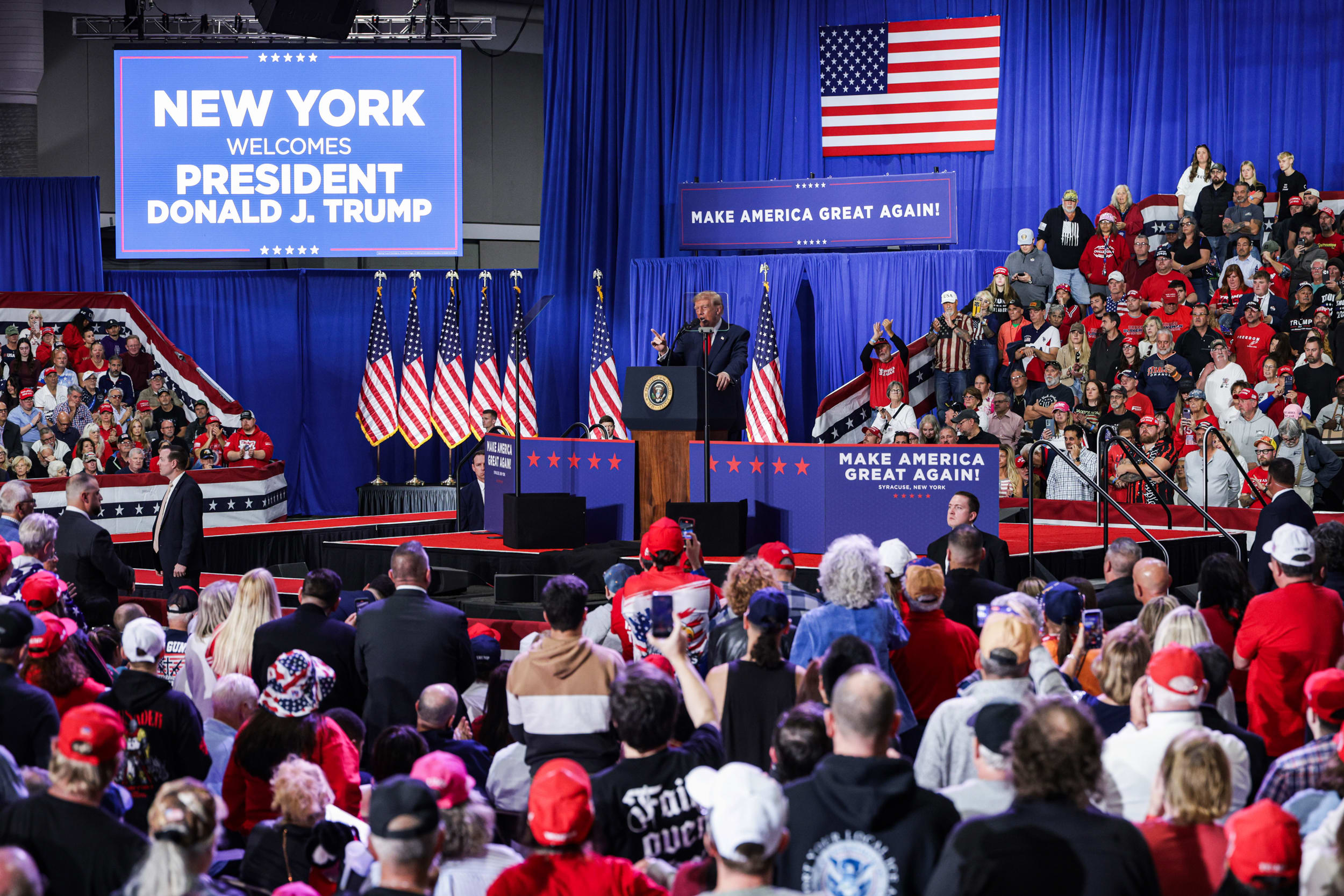
Donald Trump remains the undisputed anchor of the Republican Party, but his grip is constantly being tested by local electoral realities. When he endorses candidates or rallies his base, he turns every race into a referendum on his own brand. If his endorsed candidates underperform, the knives inside the party come out fast.
Governing with a divided or hostile Congress is a nightmare for any president. If the opposition flips key legislative chambers, the remainder of the presidential term shifts from proactive policy-making to defensive gridlock. Expect investigations, subpoenas, and legislative standoffs over federal spending. Compromise becomes a dirty word in Washington when both sides are already eyeing the next presidential cycle.
You can't ignore the long-term institutional drift either. Faith in election administration, postal voting, and vote certification has taken a beating over recent cycles. Every close race brings renewed fights over rules, recounts, and legal challenges. Democracy in America isn't collapsing overnight, but it's certainly developing some heavy scar tissue.
The ultimate takeaway is simple. Elections are messy, expensive, and deeply personal for the millions of people who cast ballots. No amount of political wizardry can completely shield a leader from public discontent when times are tough. The voters are speaking, and ignoring them is a luxury no politician gets to keep for long.
Take a close look at your local ballot initiatives and community races. That is where real political shifts start long before they ever reach Washington.