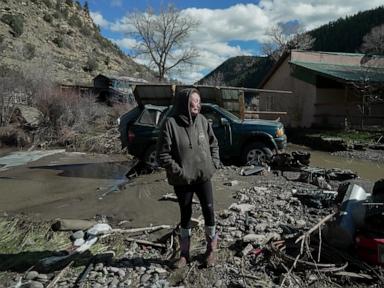
Sixty years is a long time to trust a river. Matthew Martinez spent nearly all his life on a piece of property sitting right by the Navajo River in Colorado, watching the water rise and fall with the seasons. It never flooded. Not severely. Not enough to shatter a lifetime. Until it did.
When the water finally breached his property, it didn't just ruin drywall or soak carpets; it swept away the sense of safety that comes with decades of peaceful coexistence with nature. And like thousands of property owners caught off guard by sudden, unprecedented weather events, Martinez faced the ultimate nightmare: he was uninsured.
Stories like this expose a brutal reality about modern disaster recovery. When the worst happens, the safety nets we assume are there often have massive holes. Let's look at why uninsured disaster victims slip through the cracks, how traditional insurance fails modern weather patterns, and what recovery actually looks like when you're starting from zero.
Why Traditional Insurance Leaves People Exposed
Most people assume their standard homeowners insurance policy covers everything. It doesn't. Standard policies almost universally exclude flood damage.
If you want flood coverage, you have to buy a separate policy, typically through the National Flood Insurance Program (NFIP) or a private insurer. But millions of Americans don't buy it. Sometimes it's because they live outside designated high-risk flood zones where lenders require it. Sometimes it's simply because premiums have climbed out of reach.
When a river suddenly changes course or record-breaking rains overwhelm dry soil, people who have lived in the same spot for generations find out too late that their paperwork didn't match reality. Insurance companies operate on actuarial tables and historical maps. Mother Nature stopped playing by historical rules years ago.
The Myth of Government Disaster Relief
When disaster strikes and television crews show up, there is a comforting illusion that federal agencies swoop in and make everyone whole again. The reality is far grimmer.
Federal assistance, primarily through FEMA, is designed to help you stabilize, not replace your life. Grants for home repairs are often capped at amounts that barely scratch the surface of a total rebuild. Small Business Administration (SBA) disaster loans are available, but they are loans—meaning you take on new debt at a time when your income might be disrupted or destroyed.
If you don't have insurance, you are relying on a patchwork of low-interest debt, local community charities, and whatever savings you managed to set aside. For retirees or people living on fixed incomes, taking on a five-figure loan to rebuild a flooded house isn't just difficult; it's impossible.
The Psychological Toll of Losing Your Foundation
Financial loss is only half the battle. When your home is damaged, your entire sense of temporal and spatial orientation gets scrambled.
For someone like Martinez, who built memories across six decades in a single location, the property isn't just real estate. It's an archive of family history, routine, and identity. Walking through mud-caked rooms where you raised children or spent quiet mornings changes your brain.
The anxiety isn't just about money. It's the constant, grinding worry that your life will never feel normal again. You look at a wall covered in waterlines and wonder how to translate that devastation back into a daily routine. Sleep disappears. Decision fatigue sets in as you deal with contractors, muck-out crews, and endless paperwork for minimal aid.
What You Can Do Before the Water Rises
If there is any silver lining to these recurring weather anomalies, it is the harsh education they offer the rest of us. Waiting for a hundred-year flood to test your defenses is a losing game.
Check your policy today. Call your insurance agent and explicitly ask if surface water, overflowing rivers, or heavy runoff are covered under your current plan. Do not assume.
If you live anywhere near a body of water—even one that has stayed tame for half a century—look into a standalone flood policy before the season shifts. FEMA's Risk Rating system has changed how premiums are calculated, making it more expensive in some high-risk areas, but the alternative of absorbing a total loss out of pocket is financially fatal.
Finally, keep digital copies of crucial documents, property titles, and photographic evidence of your home's condition stored securely in the cloud. When paperwork gets washed down a river, proving what you owned becomes your first major battle in a very long war.
Recovery doesn't happen overnight. For those caught without a safety net, it's a slow, grueling climb back to baseline. The river doesn't care how long you lived on its banks, and the system won't save you from the fine print you didn't read.