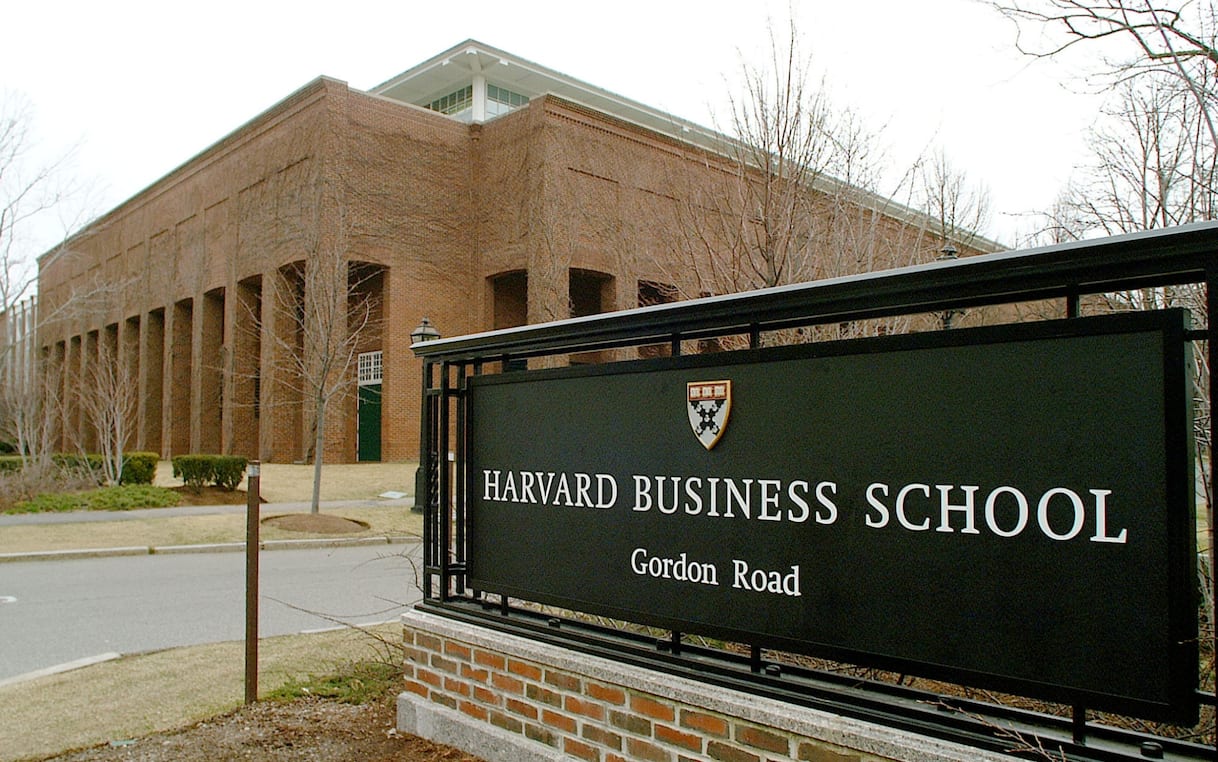
The rules regarding how American universities report foreign cash aren’t just suggestions. They are written into Section 117 of the Higher Education Act. But in Cambridge, the line between institutional compliance and clever evasion has become disturbingly thin. If you think your tuition dollars are the only thing keeping the lights on at Harvard, you’re missing half the story.
The issue isn't that universities shouldn't accept foreign money. It's the opacity. When a world-class institution like Harvard becomes the largest recipient of foreign funding in higher education—pulling in over $600 million according to recent reporting data—the public deserves to know exactly who is writing the checks. Instead, we’re seeing a pattern of "non-profit" subsidiaries that seem purpose-built to obscure the true origin of these funds. Recently making headlines in related news: Why The Latest Canada Trade Deal Isn't Actually Finished.
The Harvard Global Strategy
Harvard isn't just a university. It's a massive, multi-layered financial machine. One of the more controversial cogs in this machine is an entity known as Harvard Global.
Technically, Harvard Global operates as a non-profit. On paper, it helps the university expand its research footprint across the globe, from India to the United Arab Emirates. In reality, it has become a convenient intermediary. When the university faces legal or policy hurdles in accepting funds directly—perhaps due to sensitivities around foreign government grants—these dollars can be routed through this separate entity. Further details into this topic are detailed by Harvard Business Review.
Is this illegal? That is the billion-dollar question currently being argued in Washington.
The House Education and Workforce Committee recently flagged this setup as a blatant effort to skirt federal disclosure mandates. The core of the law, Section 117, requires schools receiving federal cash to report any gift or contract from a foreign source exceeding $250,000. If you hide that money behind a subsidiary, you effectively neuter the spirit of the law. You make it impossible for Congress or the public to track if a foreign adversary is buying influence, talent, or research shortcuts.
Why the Threshold Matters
Most people assume that because Harvard is a household name, it’s being watched closely. In reality, oversight is reactive. The Department of Education has spent years playing catch-up, reopening investigations into "incomplete and inaccurate" disclosures.
Consider the "Seven Sons of National Defense" scandal. Research committees discovered that Harvard-affiliated researchers co-authored over 140 papers with scientists tied to Chinese universities specifically identified as central to China’s military modernization.
When you connect that dots—the lack of transparent reporting and the deep integration with foreign military-linked institutions—you start to see why the current administration is so aggressive. They aren't just looking for "missing paperwork." They are looking for the point where academic collaboration ends and national security risk begins.
The Reality of Disclosure Compliance
If you talk to university administrators, they’ll tell you that compliance is "complex." They claim they have to coordinate data across a dozen different departments. It’s true; managing billions in assets isn't simple.
But honestly? That excuse is getting old.
We live in an age of automated financial tracking. If a small business can manage its payroll and taxes across international borders, Harvard can track which foreign government is paying for a specific research contract. When they "fail to report" or provide "inaccurate" data, it’s rarely because of a clerical error. It’s because the cost of non-compliance—a slap on the wrist or a public relations headache—is often lower than the strategic benefit of keeping the source of that cash quiet.
What This Means for You
You don’t need to be a policy wonk to understand the stakes.
- Academic Freedom vs. Foreign Influence: When a university is beholden to a foreign government for a massive research grant, the research often tilts. It’s hard to remain objective when your funding source has a specific political or military agenda.
- The "Non-Profit" Loophole: Any time you see a major university creating a standalone nonprofit to handle "international operations," start asking questions. It is almost always designed to put distance between the university’s main balance sheet and the actual source of the money.
- The Deterrent Act: Keep an eye on new legislation. Lawmakers are currently pushing to lower the reporting threshold from $250,000 down to $50,000. That would force schools to show their cards on much smaller, more frequent transactions.
Harvard has a documented record of pushing back against these inquiries, calling them "mischaracterizations." They claim a commitment to protecting U.S. interests. But until those disclosures are as clear as the balance sheet they present to their own donors, the skepticism is warranted.
Stop treating universities like ivory towers immune to the laws governing the rest of the country. They are massive financial actors. They should be forced to follow the same transparency rules that everyone else plays by. If they have nothing to hide, they should have no problem showing every single check.
The current game of hide-and-seek with federal investigators won't last forever. The moment the federal government decides to tie all research funding directly to 100% transparent Section 117 compliance, that "non-profit" loophole will evaporate overnight. Harvard knows it. Washington knows it. It’s time the rest of us did, too.