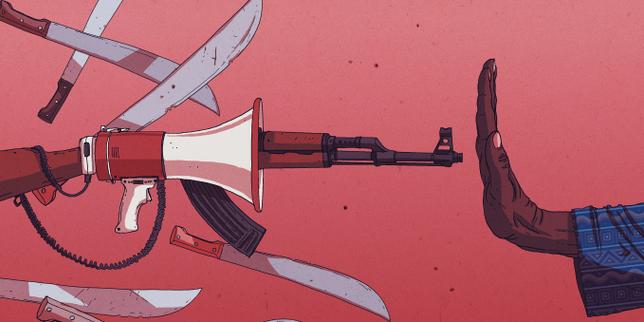
Hate doesn't wear a villain's cape when it first enters public discourse. It wears a flag and speaks in the solemn tones of cultural preservation.
Renowned Senegalese jurist Adama Dieng has spent decades tracking the anatomy of mass atrocities, pointing out a chilling reality that many comfortable societies choose to ignore. When destructive rhetoric spreads across nations, it rarely arrives sounding malicious. Instead, it wraps itself tightly in the comforting language of defending the nation or protecting sacred traditions.
If you want to understand how modern societies slide into polarization, you have to look past the obvious extremists and examine how populist rhetoric weaponizes identity.
The Chameleon Nature of Discriminatory Rhetoric
We tend to imagine hate speech as loud, abrasive, and universally recognizable. Dieng's extensive work in international justice demonstrates the exact opposite. Dangerous rhetoric is a chameleon.
When political opportunists or demagogues want to marginalize minority groups, they don't start by calling for violence. They start by drawing circles of belonging. They declare themselves the sole guardians of national sovereignty. They frame cultural heritage as something fragile that's actively under siege by outsiders.
- The Patriotism Trap: Disagreement with a specific government policy gets refabeled as treason against the country itself.
- The Tradition Shield: Bigoted or exclusionary laws get pushed through legislatures under the guise of preserving ancestral values and family structures.
This linguistic camouflage makes the underlying malice difficult for average citizens to spot until it hardens into institutional discrimination or physical violence.
Moving From Words to Legislative Danger
The real warning sign isn't just angry comments online. It's when exclusion becomes codified. Across various regions, we see a disturbing trend where reactionary political waves translate into discriminatory legal frameworks.
When a state begins drafting laws that strip basic rights from specific communities—all while insisting it's merely safeguarding public morality or national security—the warning alarms should ring. Dieng's warnings remind us that atrocities and civil conflicts don't materialize overnight. They are systematically incubated by months or years of normalized dehumanizing speech that citizens learn to tolerate because it borrows the vocabulary of patriotism.
How to Build Real Social Resilience
Fighting this cycle requires more than just censorship or superficial sensitivity guidelines. Societies become immune to toxic polarization only when ordinary citizens actively reject false choices.
You don't protect a nation by shrinking its circle of empathy. You don't honor a tradition by turning it into a weapon against human dignity. Recognizing these rhetorical tricks is the first step toward stopping them before they fracture communities beyond repair.