Right now, the Democratic Republic of the Congo faces an overwhelming healthcare disaster. While international headlines focus heavily on the ongoing Ebola epidemic, a massive cholera outbreak is quietly devastating communities across the country. According to the World Health Organization, this is shaping up to be the worst cholera crisis in decades.
Let's look at the numbers. More than 1,800 people have died from cholera since the beginning of the year. Over 60,000 cases have been officially logged. When you stack this waterborne disease on top of a raging Ebola emergency where the death toll has already climbed past 5,000, you get a catastrophic convergence of public health failures.
Why This Cholera Surge Is Different
People often assume epidemics happen in a vacuum. They don't. When health infrastructure collapses under one major disease, secondary infections like cholera slip through the cracks with devastating speed.
Clean water access remains a luxury in many regions of the DRC. When displaced populations crowd into informal settlements due to regional conflict and instability, sanitation vanishes. Vibrio cholerae thrives in these exact conditions. It spreads through contaminated water supplies before local clinics even realize an outbreak has hit a new village.
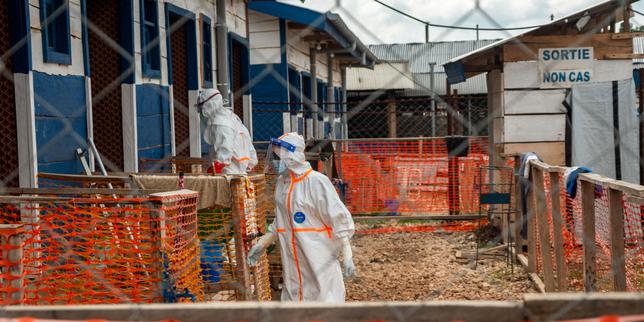
Response teams are completely stretched thin. Doctors and nurses managing severe Ebola treatment units now have to pivot resources toward oral rehydration points and emergency water purification initiatives. You can't fight two massive health emergencies at once without massive structural shortfalls.
The Compounding Toll of Ebola
You can't talk about the cholera crisis without looking at the concurrent Ebola emergency driven by the Bundibugyo virus strain. The outbreak has already recorded over 10,000 confirmed cases. With a fatality rate hovering stubbornly near 50 percent, the psychological and physical burden on local healthcare workers is unimaginable.
Community mistrust adds another layer of friction. In provinces like Ituri and North Kivu, medical staff face resistance, fear, and logistical roadblocks. Many patients still seek care too late, leading to high rates of community deaths rather than hospital recoveries. When trust in institutions breaks down, diseases win.
What Needs to Happen Now
Throwing temporary aid at the border isn't enough anymore. Containing these parallel epidemics demands immediate, localized action that prioritizes three critical fronts.
First, massive investments in clean water infrastructure must happen immediately. Handwashing stations and water chlorination tablets save more lives in a cholera crisis than advanced hospital wards ever will.
Second, international health organizations need to decentralize their response. Instead of waiting for patients to arrive at overwhelmed regional hospitals, mobile health teams must deploy directly into high-risk rural zones.
Third, local community leaders must be at the center of every outreach campaign. Medical mandates imposed from the outside fail every single time if people on the ground don't trust the message or the messengers.
The situation in Central Africa requires sustained global attention and immediate funding. Lives hang in the balance while systems struggle to keep pace.