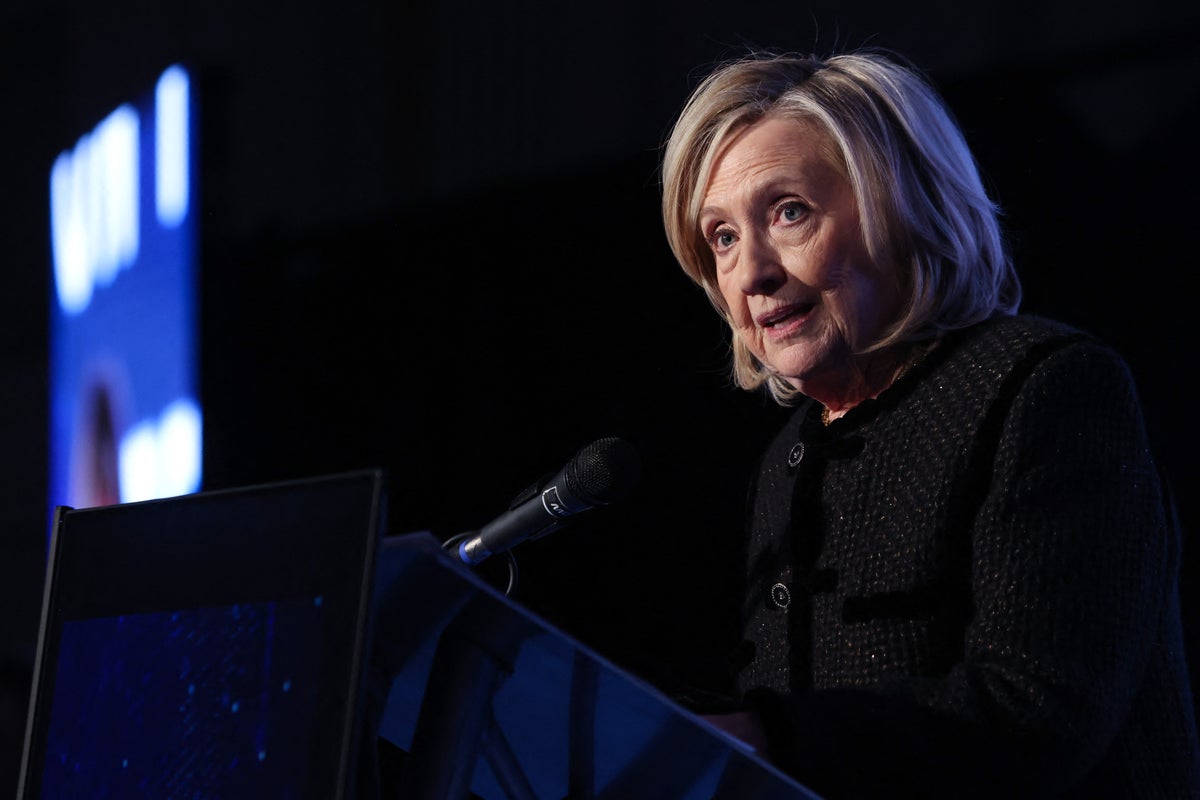
Political messaging rarely changes because it doesn't have to. When Donald Trump and conservative figures lean heavily into calling progressive Democrats "communists," establishment veterans like Hillary Clinton immediately recognize the threat. They know that simplistic, emotionally charged labels stick, even when policy realities look entirely different.
If you want to understand why political branding survives decade after decade, look past the actual legislation and study human psychology. Voters respond to fear faster than they respond to a twelve-point economic white paper. Learn more on a similar issue: this related article.
The Mechanics of the Red-Baiting Playbook
Labeling opponents with extreme political tags is an old strategy. It compresses complex debates about healthcare, public spending, and corporate regulation into a single, terrifying image. When a candidate like Abdul El-Sayed or any progressive voice pushes for sweeping public programs, conservative opponents skip the nuance. They point backward to command economies and authoritarian regimes.
It works because it bypasses logic. More journalism by Wikipedia explores comparable perspectives on this issue.
- Simplicity beats facts. A two-word label travels faster on social media than a nuanced defense of public health policy.
- Identity trumps economics. For many voters, party branding defines cultural belonging.
- Fear drives turnout. Convinced that local policy changes threaten personal freedom, voters mobilize.
Hillary Clinton has lived through these messaging wars for thirty years. Having faced similar branding campaigns firsthand, she understands that dismissing these attacks as ridiculous doesn't neutralize them. Ignoring a smear leaves the field wide open for the opposition to define the terms of engagement.
Why Democrats Keep Struggling to Counter It
The progressive wing of the Democratic Party often tries to win these fights with policy details. They explain budget allocations, point out Scandinavian models, or argue about semantics. That approach fails on a massive scale.
When you spend ten minutes explaining why a universal program isn't state-controlled socialism, you've already lost the room. Modern political communication demands counter-narratives that carry equal emotional weight. If Democrats cannot reframe the debate around economic dignity and freedom from corporate control, the communist label fills the vacuum.
"Simplistic political attacks persist because they require zero effort to repeat and massive effort to dismantle."
💡 You might also like: family court new castle county
The Stakes for Future Elections
As primary battles grow more intense and ideological divides widen within the party structure, this rhetorical weapon will only see more use. Centrist Democrats worry that aggressive progressive platforms hand Republicans an easy script for the general electorate. Meanwhile, the progressive base argues that playing it safe guarantees apathy and defeat.
Until political campaigns find a way to inoculate voters against lazy labels, the strategy remains a potent force in American elections. Clinton's warning isn't just about one candidate or one cycle; it is a recognition that American politics rewards whichever side tells the loudest, scariest story.
Stop expecting voters to reward nuance in a media environment built for outrage. The battle belongs to whoever defines the labels first.