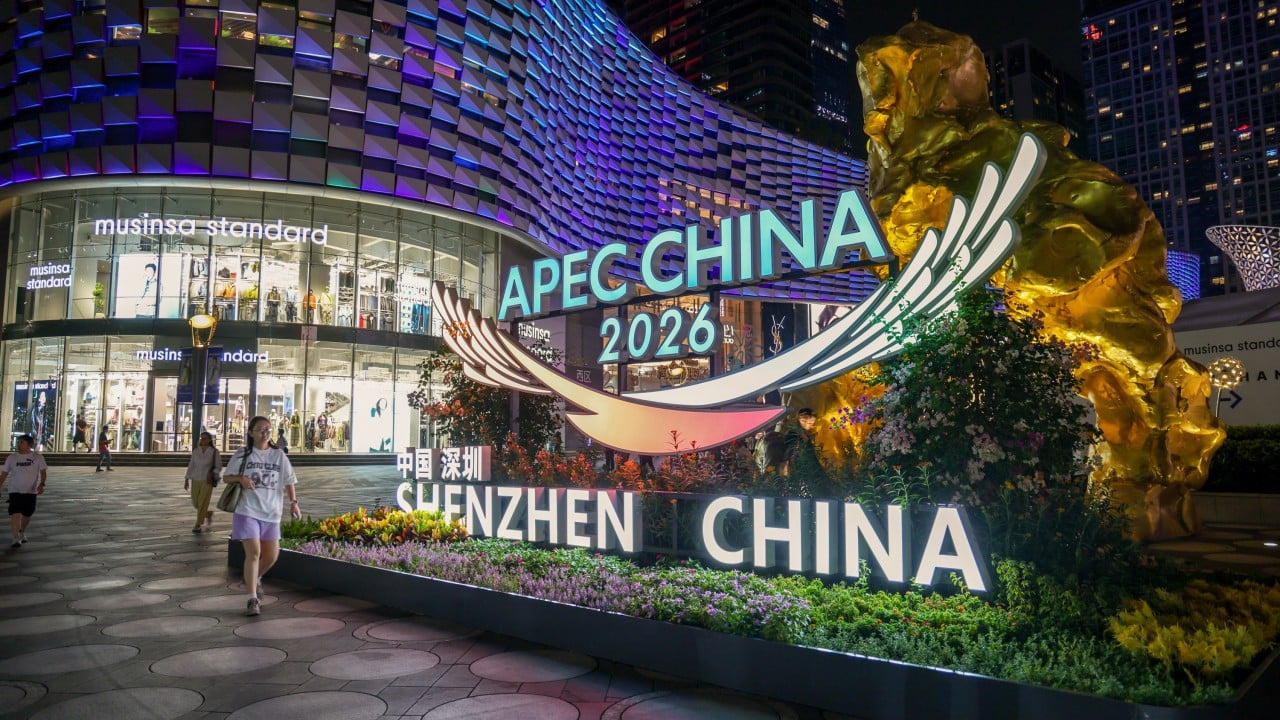
When regional summits roll around, corporate rosters usually read like predictable public relations brochures. But the delegation Hong Kong is packing for the upcoming Apec CEO Summit in Shenzhen is different. This isn't just a handful of mid-level trade attachés and honorary board members catching flights across the border. We are talking about heavy-hitting commercial leaders, financial elite, and enterprise chiefs who rarely leave their Central towers unless a major deal is on the line.
If you look past the standard diplomatic handshakes, this massive convergence tells you everything about how local boardrooms view regional integration right now. The message is clear. Cross-border alignment within the Greater Bay Area isn't a long-term theory anymore; it is the immediate operational reality for anyone trying to survive and scale in Asian markets.
The Greater Bay Area Connection
Let's address why
Why Hong Kong is Sending Its Biggest Business Heavyweights to the Apec CEO Summit
business
Hong Kong isn't just sending representatives to the upcoming APEC CEO Summit; the city is packing its delegation with absolute heavyweights. When you look at who is making the trip, a clear message emerges. Chief Executive John Lee and a massive roster of high-profile corporate leaders are heading out to pitch the city's future directly to global markets.
Most observers look at these trips as simple photo opportunities or routine diplomatic checkboxes. That is a massive mistake. These summits act as vital pressure valves and high-stakes negotiation rooms where actual deals get structured away from the public eye. If you want to understand how a trade hub positions itself when global capital flows shift, look closely at who boards the private jets.
The Strategy Behind the Heavyweight Roster
Let us talk about the personnel. The delegation isn't filled with mid-level bureaucrats. It features top executives steering financial institutions, logistics giants, and innovation hubs. Why send the heavy hitters? Because confidence is fragile right now. Global investors hear plenty of noise about regional competition, shifting supply chains, and regulatory tweaks.
When a corporate titan who manages billions in assets stands up in front of international peers to talk about liquidity, stability, and market access, people listen. Actions speak louder than press releases. By deploying the city's top business leaders side-by-side with government officials, the administration is signaling a united front. Public-private alignment matters when you are trying to convince international boardrooms that your market remains open for business.
What Global Markets Are Missing About Hong Kong
People outside Asia often fall into the trap of viewing the city through a single, narrow lens. They read a few headlines and assume the economic pulse has stopped. Reality paints a completely different picture. The sheer volume of wealth management, cross-border wealth connections like Wealth Management Connect, and the deep financial integration with mainland China create a distinct advantage that no other regional hub can easily replicate.
During summits like APEC, the closed-door conversations focus heavily on practicalities. Foreign investors want to know about dispute resolution, talent acquisition, and how fast capital moves across borders. The delegation brings people who answer those questions from direct, daily experience. They don't speak in abstract economic theory. They talk balance sheets, deal flow, and regulatory compliance.
Navigating the Regional Competition
Singapore gets a lot of press these days as the default alternative for regional headquarters. Analysts love to pit the two cities against each other in endless commentary pieces. Yet, framing this as a zero-sum game misses the underlying market dynamics. Asia's economic pie is large enough for multiple financial centers, and Hong Kong’s unique role as the primary gateway to mainland capital remains untouched.
When corporate leaders sit down with international counterparts at the APEC CEO Summit, they lean hard into this structural advantage. You cannot replace decades of deep-rooted financial infrastructure overnight. The legal system, the pool of international law firms, the deep capital markets, and the proximity to the Greater Bay Area give the city a toolkit that takes generations to build.
Translating Summit Diplomacy Into Real Deals
Summits are easy to criticize because they generate a lot of talk and varying degrees of immediate action. But seasoned operators know how to work the margins. The real value happens in side meetings, private dinners, and brief hallway exchanges between panels.
If you run a business looking at Asian expansion, pay attention to the partnerships announced in the weeks following these delegations. Watch which sovereign wealth funds sign memoranda of understanding and which technology firms secure funding channels. Those outcomes tell you whether the trip worked.
Stop treating international economic summits as mere PR exercises. They are calculated moves in a high-stakes chess match for global investment. Hong Kong’s heavy-hitter delegation isn't showing up just to participate. They are there to shape the narrative and capture capital while others hesitate.