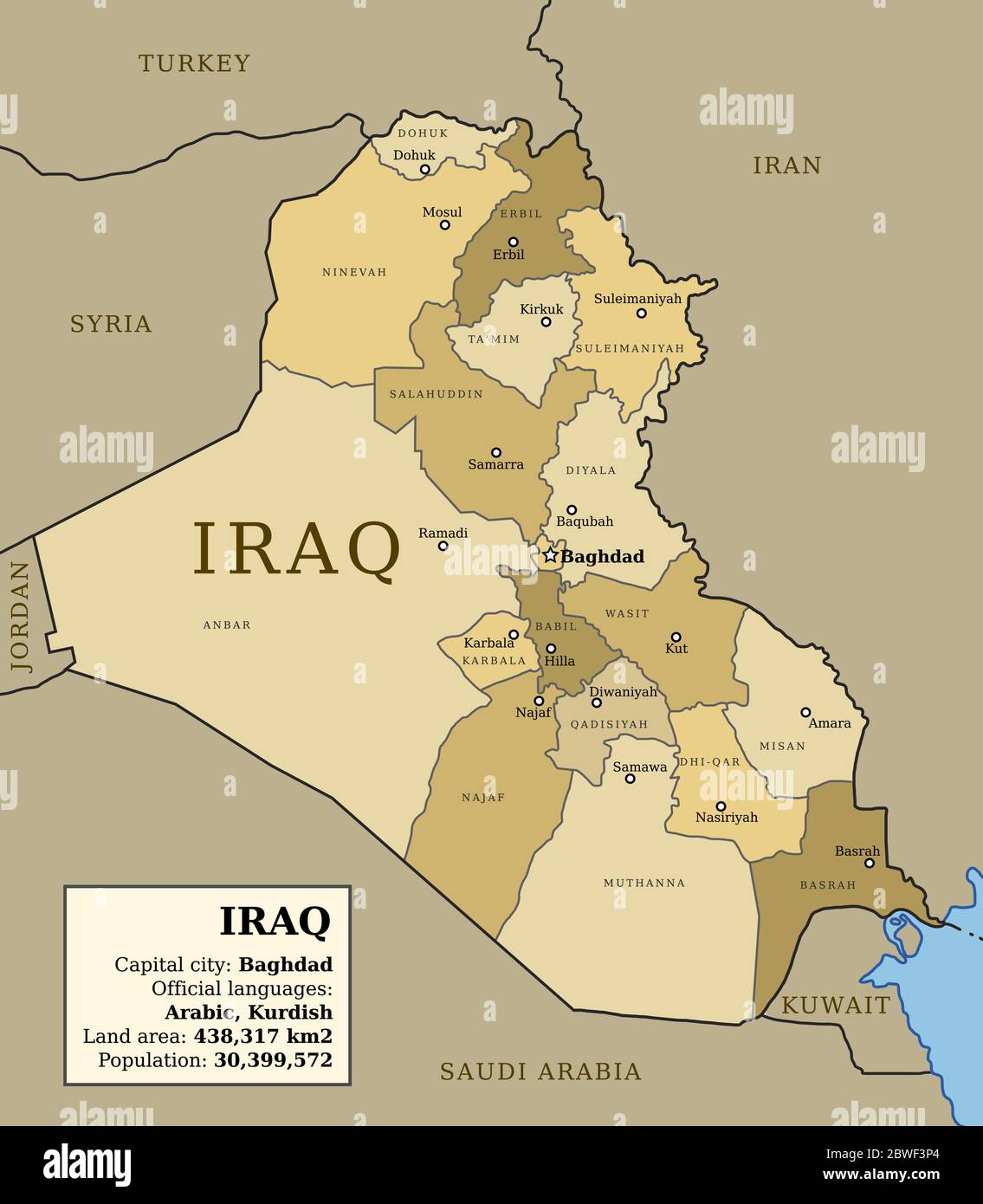
Hundreds of heavy tanker trucks are lining up outside crude depots near Basra right now, loading up on Iraqi oil bound not for Gulf tankers, but for an old, dusty overland route toward Syria’s Mediterranean port of Baniyas. It looks completely inefficient on paper. After all, moving crude by pipeline or supertanker is supposed to be the only way to scale energy exports in the modern world.
Yet reality has forced Baghdad's hand. With maritime pathways and key Gulf transit arteries facing severe pressure and security bottlenecks, energy logistics are reverting to brute-force overland transport.
The Mechanics of the Overland Oil Revival
Moving oil by truck sounds like a throwback to nineteenth-century logistics. It is expensive, slow, and burns diesel to move diesel. But when traditional export lanes face chronic choke points, high-cost movement beats no movement at all.
Qatari energy firm UCC Holding stepped into this space, orchestrating a massive trucking operation under contracts with Iraq's state oil marketer, SOMO. The scale is staggering. Hundreds of drivers are tasked with hauling between 120,000 and 150,000 barrels of heavy crude per day across harsh desert terrains.
To make this logistical marathon work, operators have scaled up fleets aggressively. Trucking operations that started with smaller footprints are expanding to thousands of vehicles. Since the arrangement kicked off late last autumn, millions of barrels have traversed the desert highway straight to Syrian coastal refineries, proving that overland corridors remain a viable emergency safety valve when maritime trade lanes stumble.
Why the Syrian Route Matters Now
Most international market analysts spend their time tracking supertanker traffic through the Strait of Hormuz. That is where the bulk of Iraq's 4.5 million barrels per day of production normally finds its way to global buyers. But relying on a single maritime exit is a massive strategic vulnerability.
When regional security tensions flare up or shipping insurance rates skyrocket, Gulf terminals turn into bottlenecks. The overland desert route to Baniyas changes the equation. It bypasses maritime choke points entirely, giving producers a direct backdoor to Mediterranean markets.
Sure, the logistics are messy. Transport margins eat deeply into profits compared to standard pipeline flows, and fleet coordination requires immense operational discipline. Refineries receiving the crude are paying heavy transport fees per barrel to cover the grueling overland distance. Even so, for buyers needing steady flows of heavy crude, these truck-borne deliveries offer an essential diversification strategy.
The Broader Energy Reality
This isn't just about moving a few barrels of oil across a border. It highlights how fragile global energy supply chains really are. Whenever geopolitical friction threatens major maritime lanes, energy markets find a way around the barrier, no matter how unconventional or expensive the workaround looks.
Iraq's heavy crude exports via the Syrian desert prove that old infrastructure can be dusted off overnight when necessity demands it. As long as maritime routes remain vulnerable to regional conflicts and sudden closures, expect overland trucking corridors to play an outsized role in keeping regional oil moving.
Check out this video on Iraqi oil trucks to see drone footage of the tanker queues outside the Basra depots.