A lone prospector kneels in the icy silt of a remote Alaskan creek, his fingers numb, swirling a battered iron pan until the heavy gray sludge yields a brilliant, defiant gleam. That single yellow flake represents a profound human obsession, an elemental anchor that has driven empires to ruin and inspired some of our greatest scientific triumphs. Far from being merely a shiny rock locked in bank vaults, Gold has quietly woven itself into the infrastructure of modern existence, hiding inside the microprocessors of the smartphone in your pocket and shielding space telescopes from the blistering fury of the solar wind.
The Chemistry of Gold
Long before humanity coined currencies or charted the stars, stellar cataclysms forged these rare atoms in the fiery collisions of neutron stars, seeding the primordial dust cloud that would eventually become our solar system. When geochemist George Wetherill calculated the mechanics of planetary accretion, he realized that heavy siderophile elements like this metal should have sunk entirely into Earth's molten iron core during the planet's infancy. The reason it exists in accessible crustal deposits at all is a cosmic fluke—a late veneer of asteroid impacts that peppered the cooling crust millions of years after the core had formed, bringing precious debris within reach of surface creatures who would one day learn to mine it.
In a hyper-clean laboratory in Zurich, materials physicist Dr. Elena Vance places a microscopic lattice under an electron microscope. She explains that the metal does not tarnish or corrode because its valence electrons are held so tightly by relativistic effects—Einstein’s theory of relativity made manifest in the subatomic physics of a shiny yellow coin. This chemical stubbornness makes it immortal in the human timeline. A ring worn by a Roman senator can be melted down and forged into a contact pin inside a satellite navigation computer two thousand years later, carrying the same atomic signature across the millennia.
The Human Cost in the Earth
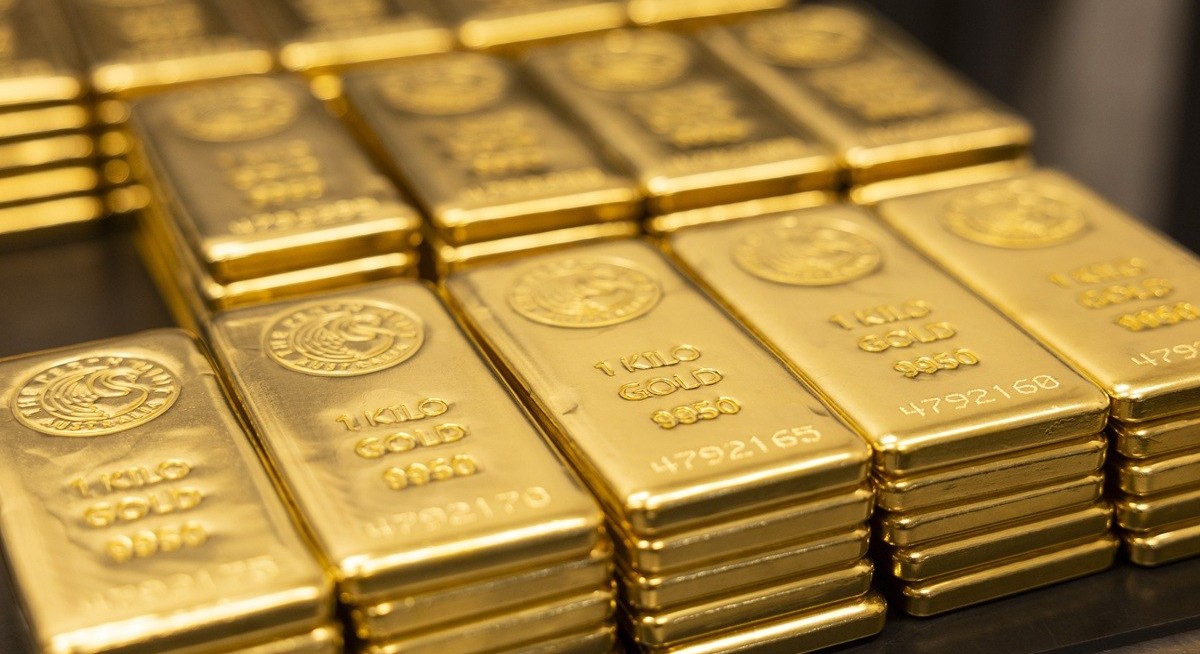
Deep in the sweltering heat of the Witwatersrand Basin in South Africa, miners descend thousands of meters into the dark belly of the earth, where rock temperatures soar and the air hums with the subterranean pressure of shifting tectonic plates. The extraction process is an exhausting trial of human endurance and industrial machinery. Tons of pulverized rock are treated with cyanide solutions in massive vats to dissolve the microscopic particles of the element, leaving behind toxic tailings dams that scar the surrounding landscape. The contrast between the pristine luster of a finished bullion bar and the muddy, dangerous reality of the extraction trench reveals the profound ecological and human debt behind every ounce recovered.
Yet, this relentless pursuit shaped the geopolitical map of the nineteenth and twentieth centuries. When James Marshall first spotted glittering specks in the tailrace of Sutter's Mill in California, he triggered a continental migration that upended Indigenous societies, built instant boomtowns, and fueled the rapid industrialization of the American West. Historian Marcus Thorne notes that people did not move toward the frontier for the sake of adventure alone; they chased a universally recognized metric of security, a tangible hedge against the chaos of failing paper money and volatile political regimes.
The Invisible Engine of Modern Technology
Away from the historical mines and mints, the true modern utility of this precious substance unfolds in cleanrooms where engineers assemble satellite communication arrays and medical diagnostic tools. Because it is exceptionally malleable, highly conductive, and immune to oxidation, microscopic wires made of this metal connect silicon chips to circuit boards, ensuring that life-support systems, emergency transponders, and global financial networks do not fail due to a single oxidized joint. When the James Webb Space Telescope peers into the ancient infrared echoes of the early universe, its primary mirrors are coated in a microscopic layer of the element, precisely vaporized onto beryllium substrates to optimize the reflection of infrared light.
As the afternoon sun dips below the horizon, casting long shadows across the glittering skyscrapers of financial capitals and the quiet rural riverbanks alike, the dual nature of this ancient element remains clear. It is at once a symbol of human greed and a monument to our technical ingenuity, a bridge between the violent birth of the cosmos and the delicate machinery of human civilization. It rests quietly in safety deposit boxes and pulsates invisibly inside our most advanced technologies, waiting for the next chapter in a story that began before the Earth had a name.