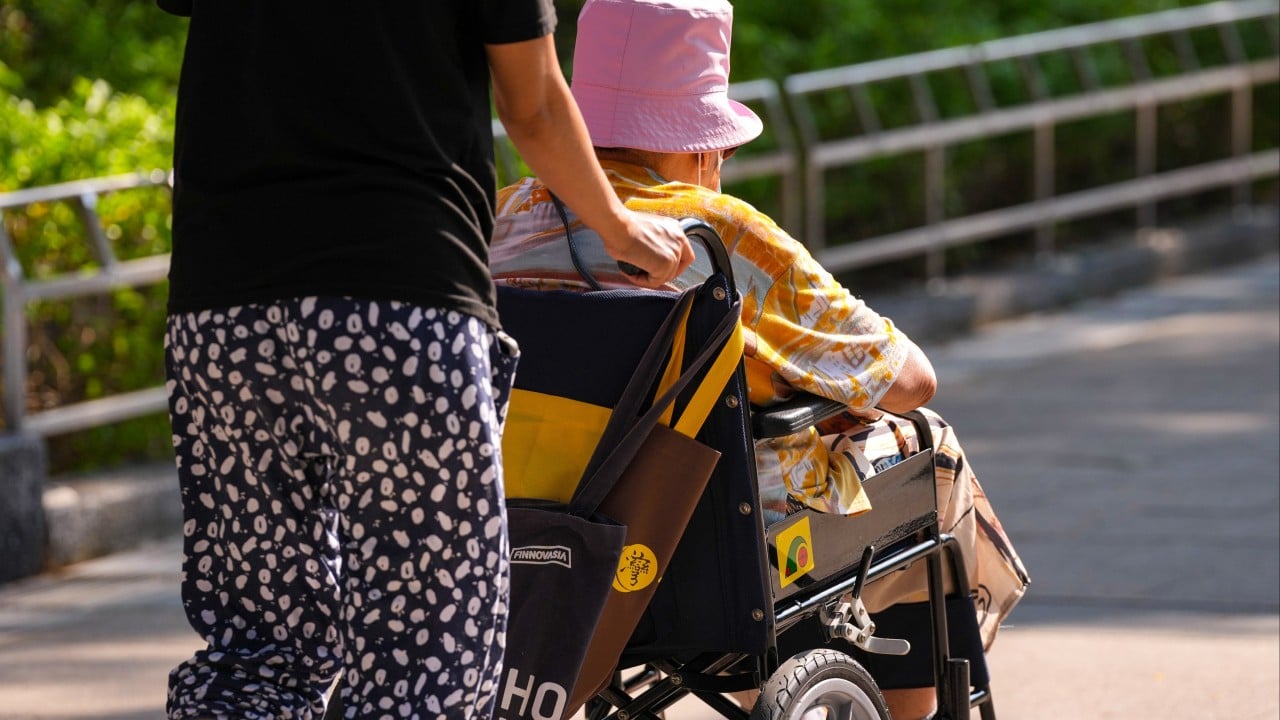
Behind closed doors in high-rise flats across Hong Kong, a quiet crisis is boiling over. When a 93-year-old woman living in Kai Tak’s Tak Long Estate was found dead, the subsequent police investigation exposed a grim reality. Authorities arrested the victim's Indonesian domestic helper on suspicion of murder, revealing a long-standing pattern of friction and acute exhaustion behind locked doors.
This tragedy isn't just an isolated criminal case. It highlights systemic blind spots in how Hong Kong handles eldercare and manages the intense pressures placed on domestic workers. If you look closely at how families care for aging relatives here, you'll see a system stretched to its absolute breaking point.
The Breaking Point of Solo Caregiving
Hong Kong's aging population is expanding faster than public infrastructure can adapt. Thousands of elderly residents live alone or depend entirely on a single foreign domestic helper. When an elderly person requires round-the-clock medical attention, mobility support, and behavioral management, putting the entire burden on one worker creates an explosive environment.
Police investigations into the Kai Tak case pointed to chronic exhaustion and interpersonal friction building up over months. You cannot expect a single worker to function as a 24-hour nurse, personal companion, and housekeeper without mental health support or regular breaks, and expect good outcomes. Burnout is real. When burnout goes unnoticed by authorities and unsupported by employers, small frustrations turn into catastrophic tragedies.
Public health advocates and community groups are demanding urgent policy shifts. They argue that monitoring cannot simply mean reacting after someone dies. We need proactive safety nets that protect vulnerable seniors while shielding workers from unsustainable workloads.
Where Current Oversight Fails
The existing monitoring framework relies heavily on trust between employers, employment agencies, and domestic workers. But when an elderly employer lacks family members nearby—as was the case with the 93-year-old victim who lived alone with her helper—oversight disappears completely.
Social welfare departments rarely conduct unannounced home visits to check on solitary elderly residents paired with live-in helpers. Employment agencies wash their hands of a contract once placement fees are collected.
- Lack of mental health check-ins: Neither the Labour Department nor immigration authorities screen helpers or employers for stress and burnout symptoms.
- Isolation of households: High-rise apartment living means neighbors rarely know what happens behind closed doors.
- Inflexible labor rules: Live-in requirements make it difficult for helpers to disconnect and recharge.
If you ignore these structural vulnerabilities, similar tragedies will happen again. Relying solely on punitive measures after a crime occurs is a failure of governance.
What Real Reform Looks Like
Fixing this crisis requires shifting from reactive policing to preventive community care.
First, the Social Welfare Department needs to establish regular, mandatory check-ins for households where elderly residents live alone with a single caregiver. These visits should focus on assessing the well-being of both the senior and the worker.
Second, employment agencies must be held accountable for post-placement support. Agencies should provide mandatory counseling channels and stress-management resources, rather than treating placements as one-off transactions.
Finally, families need subsidized access to community nursing services and day-care centers so that live-in helpers aren't forced to bear 100 percent of the physical and emotional load.
Protecting Hong Kong's elderly population means protecting the people who look after them. Until policymakers address the root causes of caregiver exhaustion, high-rise isolation will continue to claim preventable lives.