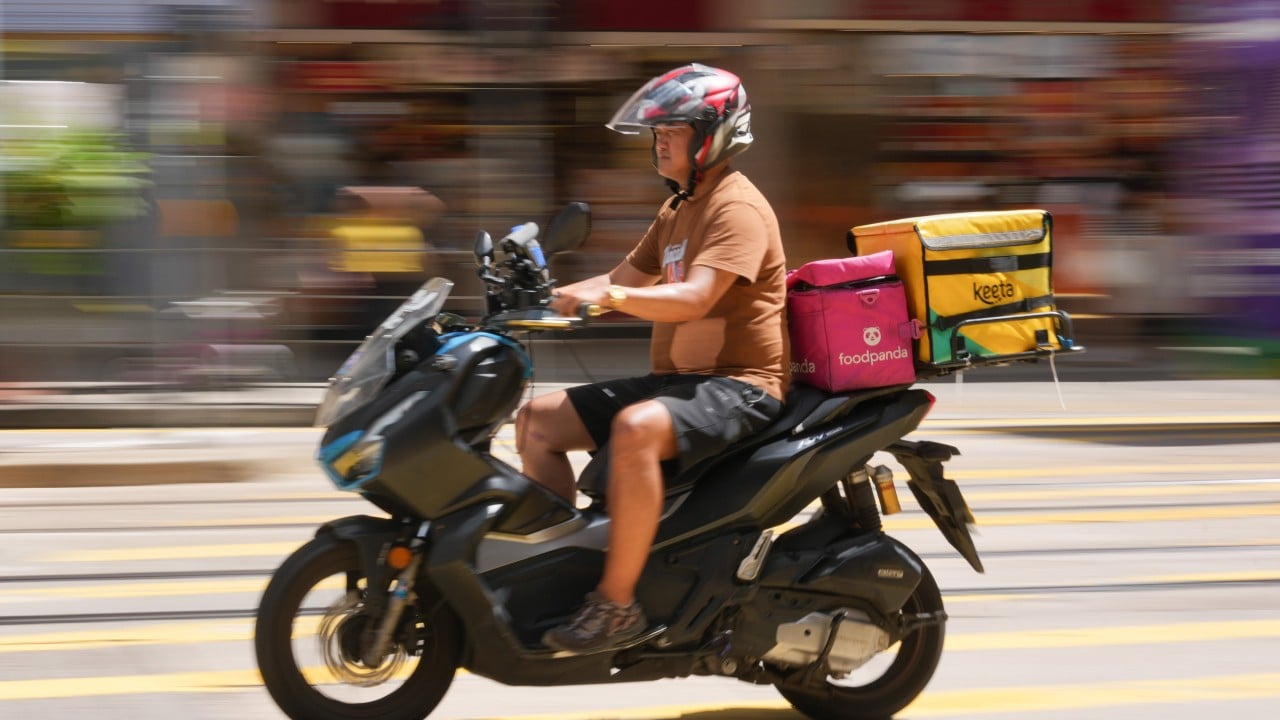
Food delivery couriers dodging double-decker buses on Nathan Road in a downpour don't have the luxury of thinking about employment law. They just need to get the hot meal to the customer before the app docks their pay. But if they slip and fracture a wrist, the financial fallout is brutal. Up until now, platform companies like Foodpanda, Deliveroo, and Keeta washed their hands of the medical bills by labeling these riders as independent contractors.
That hands-off era is officially ending. The Hong Kong government just unveiled its legislative framework to force digital platforms to provide work injury protection to delivery couriers. This represents a massive shift in how the city treats the gig economy. By moving away from the rigid binary of "employee vs. self-employed," the Labour and Welfare Bureau is trying to fix a broken safety net without destroying the flexibility that riders and platforms both rely on.
It's a delicate tightrope walk. If you look closely at the fine print, the government didn't give the workers everything they wanted.
The Reality of the New Protection Plan
The upcoming legislative proposal, slated for the Legislative Council later this year, introduces a customized insurance framework specifically built for the realities of the digital street. Instead of forcing platforms to reclassify riders as traditional employees, Hong Kong is creating a third category of protection.
The coverage window is tightly defined. Protection starts the second a courier sets off to pick up food or goods from a designated location. It stays active during the trip to the customer and covers the journey back to the vehicle after the drop-off. It even accounts for the messy realities of app life, like order cancellations, by keeping the safety net active for a specified grace period.
Extreme weather gets a specific upgrade too. If a rider is heading home within four hours of finishing a shift during a Typhoon Signal No. 8 or a Black Rainstorm warning, accidents are covered. This is a direct nod to recent high-profile court disputes and a strike by Keeta drivers who felt abandoned during severe summer storms.
The Catch inside the Compensation Math
While serious injuries and fatal accidents will match the financial protections given to corporate office workers, short-term sick leave comes with a major catch.
Under standard Hong Kong labor laws, traditional employees have a minimum monthly income floor of HK$5,710 used to calculate temporary disability payments. The government explicitly waived this floor for gig workers. Officials argue that because app workers move between platforms or log minimal hours, keeping the floor could mean someone gets a sick leave payout higher than their actual earnings.
Instead, short-term temporary disability payments will strictly reflect actual documented earnings.
Catastrophic events, though, get the full weight of statutory limits. If a courier suffers permanent total disability or dies on the job, the standard calculation ceilings apply:
- Maximum monthly income ceiling for calculations: HK$38,670
- Minimum statutory permanent disability floor: HK$584,220
- Minimum statutory death benefit floor: HK$514,510
This split approach shows the government is terrified of making the system too expensive for platforms, choosing to protect riders from bankruptcy while leaving short-term injuries vulnerable to low payouts.
The Burden of Proof Shifts to the Rider
Because you don't clock into a managed warehouse, proving you got hurt on the job is notoriously difficult in the gig economy. Digital platforms argue they can't track every physical step a rider takes, especially when a courier has multiple apps open simultaneously.
To solve this, the new framework puts a heavy burden on the delivery workers themselves.
If an accident happens, the injured courier must personally report the details directly to the Labour Department within a strict timeline. You can't just rely on an in-app help ticket. Workers will need to treat their phones like a black box recorder—saving screenshots of the accepted order, keeping GPS logs, and gathering immediate medical notes from the public hospital. If you fail to file the paperwork yourself, the platform can easily claim you were running a personal errand.
Moving Toward Actionable Compliance
This regulatory wave isn't happening in a vacuum. Mainland China just completed its nationwide rollout of a massive occupational injury insurance pilot covering nearly 30 million gig workers. Hong Kong is taking those lessons and adapting them to its own common law system.
If you are a gig delivery rider or manage logistics operations in Hong Kong, you need to prepare for this law before it passes Legco.
For Delivery Riders
- Log every shift manually: Don't trust the app history alone. Use a secondary mileage tracker or save screenshots of your active status when starting a shift.
- Report instantly: If an incident occurs, file a medical report immediately and note the exact time, matching it to the food order ID in your app.
For Platform Operators
- Audit backend tracking: Engineering teams must ensure that dispatch logs precisely capture the moment a worker accepts a gig to the moment they return to their vehicle.
- Restructure insurance line items: Budgeting for the upcoming financial year must factor in per-order or per-day insurance contributions to avoid a sudden hit to operational margins.