Major trade exhibitions don't lock themselves into a single city for half a decade by accident. When Vinexposium signed a landmark five-year agreement to keep Vinexpo Asia exclusively rooted in Hong Kong through 2031, it signaled a massive shift in the global wine and spirits trade. For years, the event bounced between regional hubs, most notably splitting attention with Singapore. Now, the pendulum has swung decisively back.
If you track international commerce, you know that long-term exclusivity deals are high-stakes gambles. Organizers aren't just booking convention halls; they are betting on infrastructure, tax structures, and geopolitical positioning. Hong Kong just secured a major victory, transforming what used to be a rotating biennial exhibition into an annual powerhouse hosted entirely within the city.
The Real Strategy Behind the Five-Year Lock-In
Let's look past the press releases and corporate optimism. Why commit to Hong Kong through 2031? The answer comes down to market gravity and buyer concentration.
For decades, Hong Kong functioned as the primary gateway for fine wine entering mainland China and the broader Asia-Pacific region. Zero wine tax remains the city's secret weapon, a policy enacted back in 2008 that instantly turned a local port into the auction and distribution capital of the world. Exhibitors don't want to navigate complex customs duties every time they show a high-end vintage. They want frictionless trade, deep-pocketed buyers, and a mature logistics network.
Singapore put up a serious fight during its turn hosting the event, attracting international attention with stellar execution. But physical proximity to mainland buyers and the unmatched density of Asian wine merchants tipped the scales back. By locking down an annual schedule starting in 2027, Vinexposium is giving global producers the stability they desperately need in a turbulent economic climate.
What Changes for Wine and Spirits Producers
If you are a winery owner in Bordeaux, a craft distiller in Scotland, or an emerging no-alcohol beverage producer trying to crack the Asian market, this announcement changes your calendar.
Biennial events create gaps. Missing one year means waiting two full cycles to test a new product line or patch up a fractured distribution chain. An annual fixture in Hong Kong transforms Vinexpo Asia into a continuous operating rhythm. Producers can iterate faster, meet regional importers annually, and adjust to volatile consumer habits in real time.
Consider how drinking trends across Asia have evolved. Traditional luxury consumption drove the market for years, but younger urban consumers are demanding lower-alcohol options, ready-to-drink cocktails, and sustainable production credentials. Having a permanent, annual anchor in Hong Kong means international brands can measure these shifting tastes year-over-year rather than guessing blindly between biennial summits.
Economic Spillover and Citywide Integration
Local authorities aren't just treating this as another corporate convention. Tourism boards and trade officials are orchestrating a coordinated push to stretch the event far beyond the walls of the Hong Kong Convention and Exhibition Centre.
The blueprint involves turning June into a citywide festival. Think masterclasses, pairing menus across high-end restaurants, and retail promotions designed to capture high-spending business travelers. When you pair Vinexpo Asia with the local calendar—such as the Hong Kong Wine and Dine Festival—the economic multiplier effect hits hospitality, hotels, and luxury retail all at once.
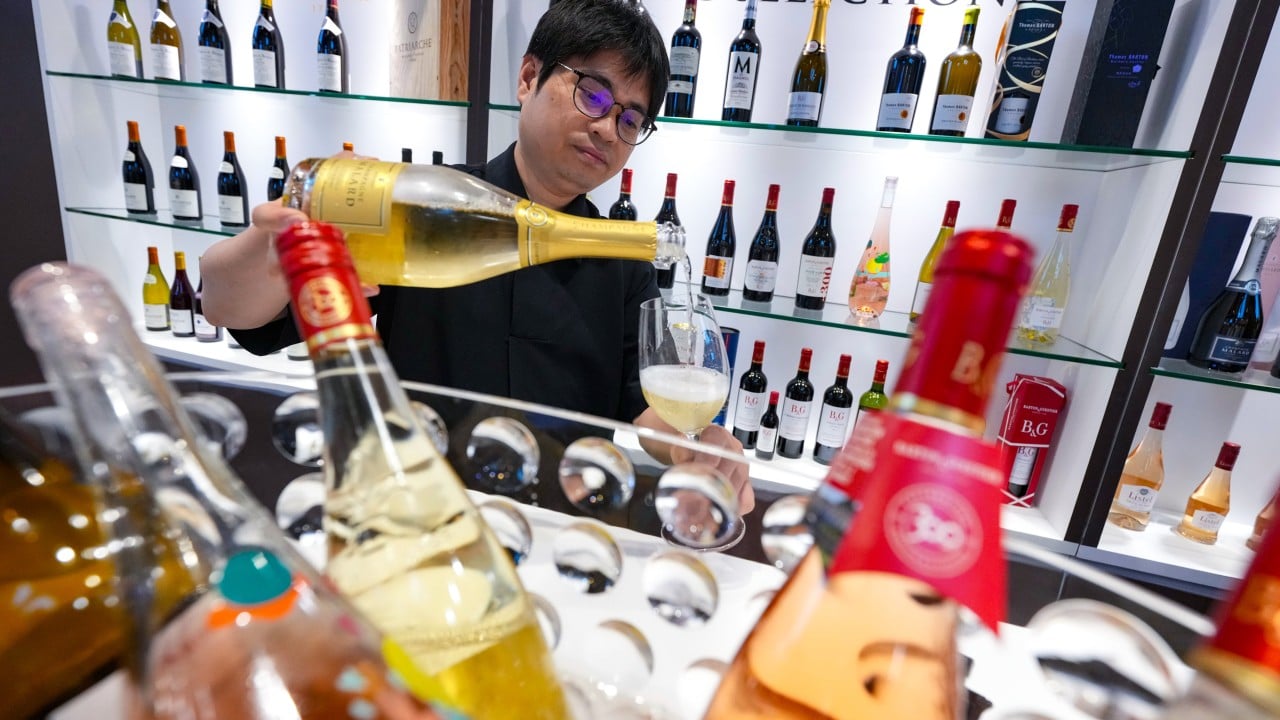
Exhibitors spend big, but the real value is the concentration of decision-makers. Importers, wholesalers, and luxury hotel buyers from more than seventy countries converge on a single district. Deals that normally take six months of emails happen over three days across crowded tasting floors.
Looking Ahead to 2031
Skeptics point out that regional competition across Southeast Asia isn't going away. Other economic zones want a slice of the lucrative hospitality trade. Yet, infrastructure and historical trading relationships build a moat that is exceptionally difficult to cross overnight.
Hong Kong's five-year monopoly on Vinexpo Asia proves that physical trade hubs still matter immensely, even in a digital-first corporate world. Face-to-face evaluation of a spirit or a vintage cannot happen over a video call.
If you plan on attending or exhibiting in the coming years, stop treating it as a casual trip. Build your regional distribution strategy around this annual anchor, lock in importer meetings months in advance, and pay close attention to how consumer preferences shift in the interim. The next five years will define which international brands dominate Asian shelves for a generation.