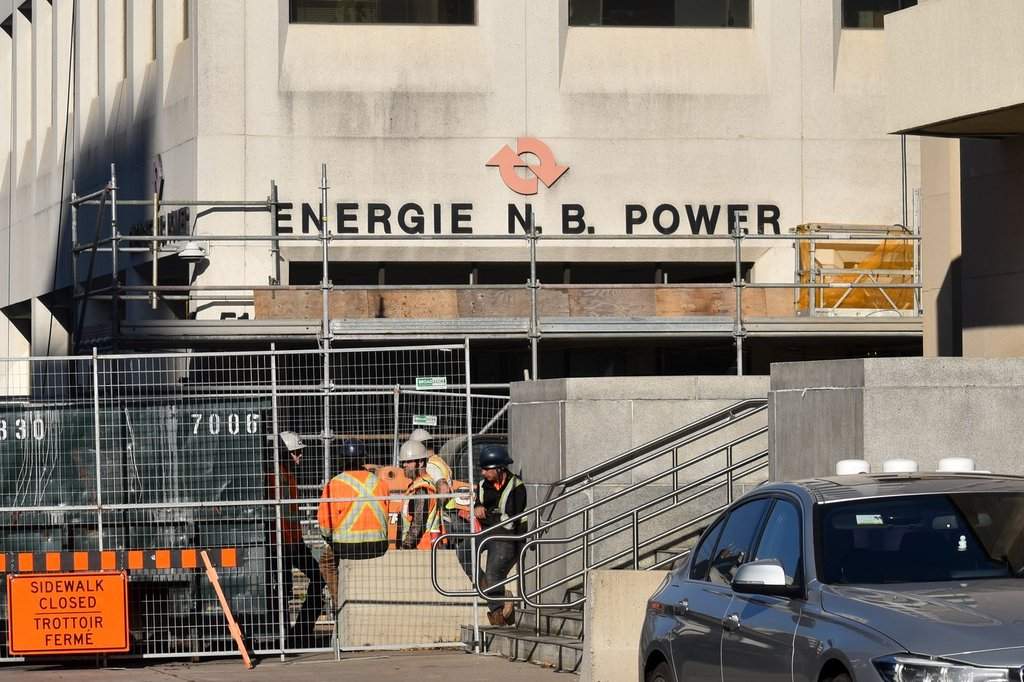
Energy policy rarely makes for casual dinner conversation, but a high-stakes collision between a provincial utility and a corporate giant has changed that real quick. If you've been following industrial news in Atlantic Canada, you know the clash between NB Power and J.D. Irving, Limited has reached a boiling point. At the center of the storm is a policy shift allowing surplus electricity to cross the border into the United States for higher market rates. According to corporate warnings, this move could spell the end for Irving Paper in Saint John.
Let's look past the corporate press releases. What is actually happening here, and why does it matter to anyone outside of the provincial legislature? Building on this topic, you can find more in: Why Virgin Media O2 Is Finally Ready To Rent Bts Broadband Network.
The Policy Shift That Changed the Game
For years, heavy industrial players in New Brunswick enjoyed a quiet perk. When the Crown-owned utility generated excess electricity, local mills could snap up that surplus power at heavily discounted rates. It was a cozy arrangement that kept energy-intensive manufacturing competitive in a region dealing with high operational overhead.
Then the rules changed. Analysts at CNBC have shared their thoughts on this situation.
The provincial regulator opened the door for NB Power to redirect its cheaper surplus electricity toward out-of-province buyers and U.S. markets where energy commands top dollar. Instead of prioritizing local mills for bargain-bin excess power, the utility now prioritizes external buyers to chase maximum revenue.
Mark Mosher, an executive with JDI, didn't mince words. He warned that this priority flip will slap Irving Paper with an extra $10 million in annual electricity costs, pushing an already strained plant toward total closure.
Why the Province Is Standing Its Ground
You might expect a swift government intervention to protect a major local employer. You would be wrong.
Energy Minister René Legacy made it clear that the provincial government has no intention of ordering NB Power to reverse course. The reasoning comes down to simple math and public pressure over utility debt. NB Power carries a staggering financial burden, and every dollar squeezed from lucrative U.S. export sales helps the bottom line. That extra revenue ultimately benefits everyday ratepayers across the province by keeping general rate hikes from climbing even higher.
From the government's perspective, forcing the utility to sell power below market value to a multi-billion-dollar conglomerate means ordinary taxpayers end up subsidizing private manufacturing costs.
The Broader Economic Reality
Critics of the industrial status quo argue that the era of special energy deals is drawing to a close. For decades, large corporations leveraged their regional footprint to secure favorable terms on everything from power to timber. When those margins tighten, the threat of shutdowns often follows as a negotiating tactic.
Yet, the anxiety in Saint John is real. Manufacturing jobs anchor local economies. If a major facility shutters because operational costs spike, the ripple effects hit transportation, supply chains, and municipal tax bases. At the same time, the public has grown tired of utility structures that seem to favor private balance sheets over residential relief.
The Energy and Utilities Board now holds the pen. JDI has filed a formal application trying to claw back the policy change, but the path forward remains murky.
Look closely at how this dispute resolves. It sets a dangerous precedent for how resource-rich provinces balance public utility debt against the survival of legacy manufacturing in an expensive energy market.
Check your local utility filings if you want to understand where industrial pricing is heading next. The days of cheap excess power are gone, and heavy industry is footing the bill.