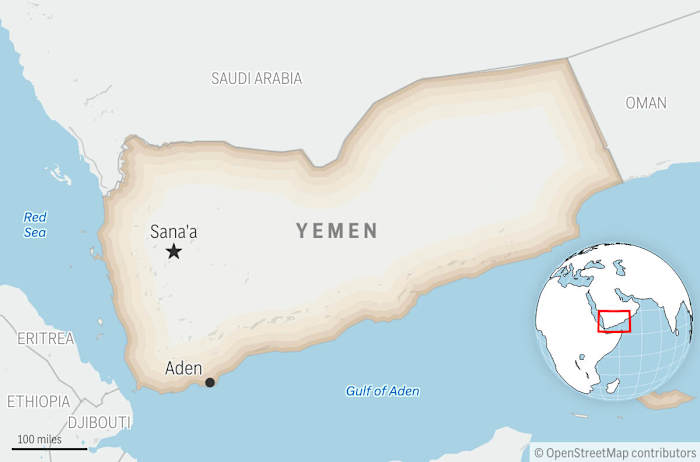
The maritime map of the Middle East just got significantly smaller—and more dangerous—for Saudi Arabia. As of July 20, 2026, the Iranian-backed Houthis have officially declared a maritime embargo on all Saudi-flagged and Saudi-bound vessels transiting the Bab el-Mandeb Strait.
If you think this is just another round of regional rhetoric, you’re missing the bigger picture. For the first time in history, the Kingdom of Saudi Arabia is effectively trapped between two blocked sea corridors.
The double squeeze on Saudi energy
To understand why this move is so devastating, you have to look at how Saudi Arabia has been keeping its oil flowing since the Iran-U.S. war began on February 28, 2026.
When conflict erupted, Iran moved quickly to choke off the Strait of Hormuz, the world’s most critical oil chokepoint. With the Persian Gulf exit effectively locked down, Saudi Arabia pivoted to its "Plan B": the East-West Pipeline. This massive infrastructure project carries millions of barrels of crude across the Arabian Peninsula to the Red Sea port of Yanbu.
From Yanbu, tankers could safely exit through the Bab el-Mandeb Strait and head toward global markets. By declaring a blockade on this exact route, the Houthis have neutralized the Kingdom’s primary bypass. Riyadh is now facing simultaneous interdiction on both its eastern and western maritime flanks.
Why the Bab el-Mandeb matters
This isn't just about Saudi oil. The Bab el-Mandeb is a narrow 20-mile-wide waterway between Yemen and Djibouti. It is the essential gateway for any ship traveling to or from the Suez Canal.
The numbers speak for themselves:
- Global trade: Roughly 12% of total global trade passes through this strait.
- Container traffic: About one-quarter of all containerized goods bound for the Suez Canal transit these waters.
- Energy security: It remains the third-busiest chokepoint for seaborne oil trade globally.
When the Houthis threaten this area, they aren't just targeting Saudi Arabia; they are holding a significant portion of the global economy hostage.
Can they actually enforce this?
History suggests skepticism is warranted, but caution is mandatory. Between 2023 and early 2026, the Houthis launched over 100 attacks on commercial vessels in the Red Sea. They proved they could cause massive disruptions, forcing major shipping giants like Maersk and Hapag-Lloyd to reroute vessels around the Cape of Good Hope—a detour adding nearly 3,000 miles to the journey.
However, the current situation is more complex. The U.S. and Israeli air campaigns earlier this year severely degraded Houthi stockpiles. Yet, the group is clearly signaling that they are no longer prioritizing caution.
Military spokesperson Yahya Saree explicitly framed the blockade as an "equation of an eye for an eye" in response to Saudi strikes on Sanaa International Airport. Whether they have the missile and drone density to sustain a total blockade is unknown, but they don't need to sink every ship to succeed. They only need to create enough perceived risk to drive up insurance premiums and scare off commercial traffic.
What this means for global markets
If you’re watching energy prices, expect volatility. With Iran already restricting the Strait of Hormuz, the global market has little margin for error.
- Increased Shipping Costs: Any vessel attempting to bypass the Red Sea must add weeks to its transit time, burning significantly more fuel and increasing operational overhead.
- Supply Chain Bottlenecks: Just-in-time delivery models for European and Asian manufacturing will face delays, mirroring the stress seen during the 2024 Red Sea crisis.
- Insurance Premiums: War-risk insurance for any ship operating in the southern Red Sea will skyrocket, making transit economically unviable for lower-margin goods.
Reality check for stakeholders
If you operate in global logistics or energy trading, hope is not a strategy. The "wait and see" approach during the initial phases of the 2026 Iran conflict proved costly for many.
Immediate actions to consider:
- Audit your supply chain: Identify any goods currently transiting the Red Sea on Saudi-affiliated or Saudi-bound vessels.
- Review contractual force majeure clauses: Determine how your logistics contracts handle "maritime embargo" events or forced re-routing.
- Diversify freight routes: If possible, secure capacity on air freight or alternative land-bridge routes in the Gulf region to mitigate complete reliance on maritime transit.
The Red Sea is no longer a neutral corridor. It is now an active theater of the broader Iran-U.S. conflict, and the risks to your bottom line have never been higher. Plan accordingly.