Air raid sirens piercing the dawn in Riyadh aren't supposed to happen anymore. For months, everyone hoped the fragile architecture of Gulf stability would hold, but a ballistic missile targeting the Saudi capital just shattered that illusion completely.
When Yemen's Houthi movement launched projectiles toward Riyadh and critical energy infrastructure at Yanbu, they crossed a red line that Washington had been dreading. The United States State Department didn't mince words, warning that hostilities can escalate rapidly as the region plunges into a deeper spiral of conflict. If you thought the friction in West Asia was contained, think again.
The Ground Reality Behind the Riyadh Strike
Let's look at what actually went down. On September 19, 2026, loud explosions echoed across the Saudi capital as a ballistic missile lit up the morning sky. The Riyadh-led coalition confirmed intercepting the incoming threat, but the psychological impact was immediate. Plumes of smoke near critical infrastructure rattled markets and travelers alike, triggering flight cancellations and immediate security alerts.
This wasn't a random stray projectile. It followed a lightning offensive by Houthi forces seizing vast territory along Yemen's Red Sea coastline, including key positions near the Bab al-Mandab strait. When a faction gains control of vital maritime choke points and starts firing deep into a neighbor's sovereign territory, the calculus of defense changes overnight.
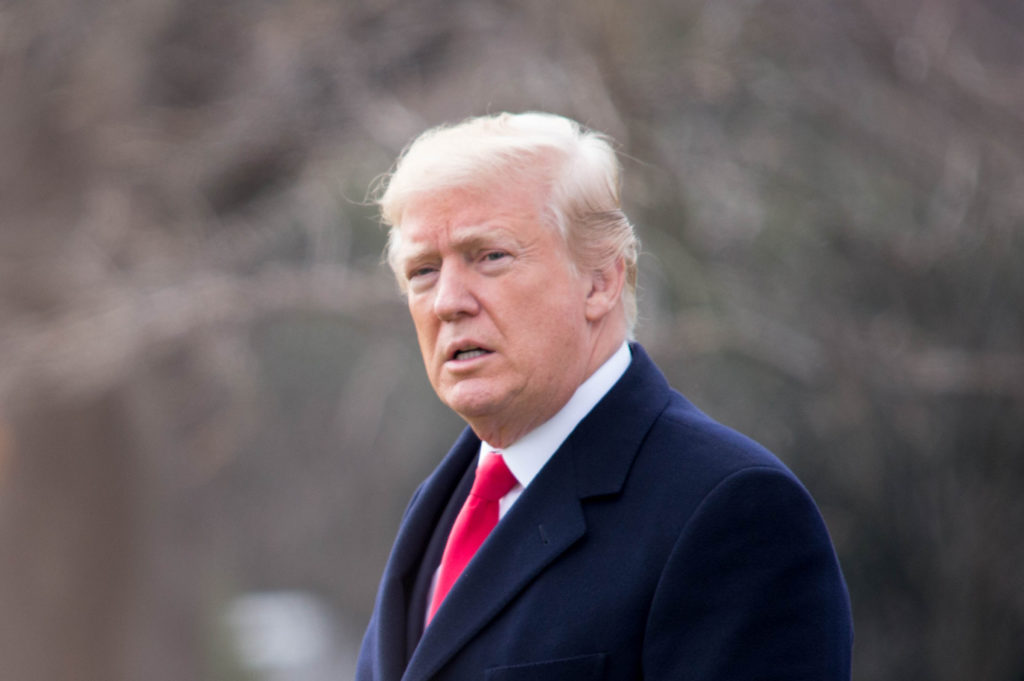
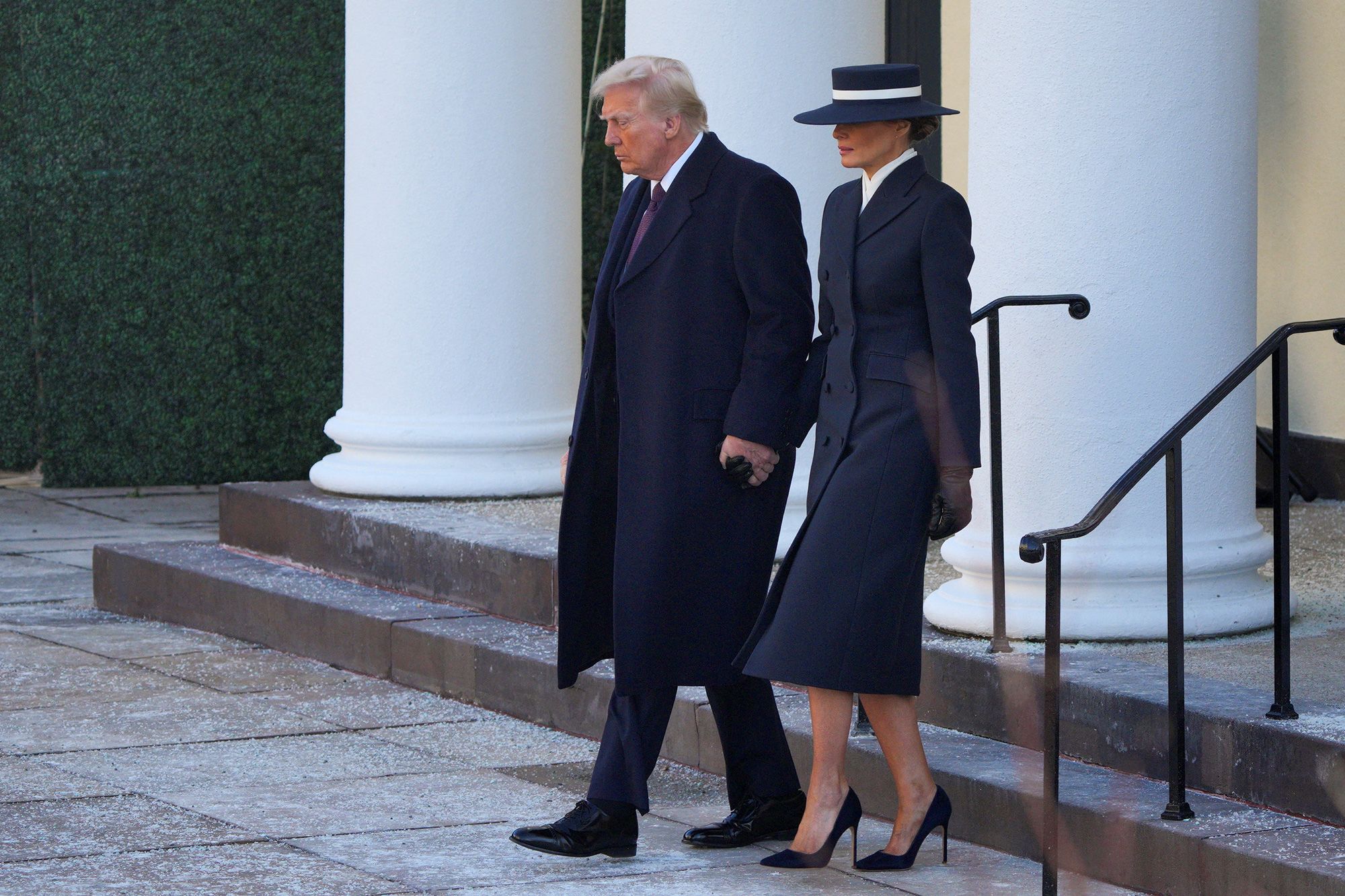
Washington's reaction tells you everything you need to know about how fragile the situation has become. President Donald Trump abruptly cut short a weekend at Camp David to return to the White House. Meanwhile, the State Department updated travel advisories, urging citizens to seriously reconsider trips across the region due to the high risk of sudden airspace closures and widening military actions.
Why Saudi Arabia Feels the Squeeze
Saudi leadership finds itself caught in a multi-front pressure cooker. Riyadh has faced repeated aerial threats, including an alleged drone attempt targeting Islam's holy city of Mecca earlier in the week—an accusation the Houthis strongly denied. At the same time, regional officials have noted that Saudi Arabia's missile interceptor stockpiles are running thin, forcing the kingdom to look outward for emergency air defense assistance from partners like France, Pakistan, and Turkey.
Even though Washington approved a massive $24.3 billion sale of F-35 fighter jets to help Riyadh deter future threats, the immediate military response hasn't included direct U.S. strikes on Houthi positions. The White House is walking a tightrope, trying to support a vital security partner without dragging American forces into an open-ended quagmire.
The Broader Economic Shockwaves
Energy markets hate uncertainty, and they have plenty of it right now. With attacks brushing against facilities linked to oil giant Aramco and threatening critical Red Sea shipping lanes, global supply chains are once again bracing for impact.
- Maritime Disruptions: Houthi control over parts of the Yemeni coast gives them elevated surveillance and targeting capabilities over vital trade routes.
- Flight Redirections: Major international carriers are monitoring airspace safety hour by hour as the threat level spikes.
- Diplomatic Standstills: Broader negotiations involving regional players and Iran's proxy networks face total paralysis as military actions eclipse diplomatic channels.
You can't look at the Riyadh strike as an isolated border skirmish. It ties directly into months of wider friction involving the United States, Iran, and various aligned armed groups. When capital cities become targets, deterrence fails, and retaliation becomes the default language of governments.
Prepare for tighter security measures, ongoing flight disruptions across the Gulf, and heightened alert levels for diplomatic missions everywhere. The illusion of regional quiet is gone, and the path back to stability just got infinitely steeper.
West Asia: why are Yemen's Houthis attacking Saudi Arabia?
This video provides background analysis on the historical and strategic reasons behind the Houthi missile and drone campaigns targeting Saudi infrastructure.
http://googleusercontent.com/youtube_content/1