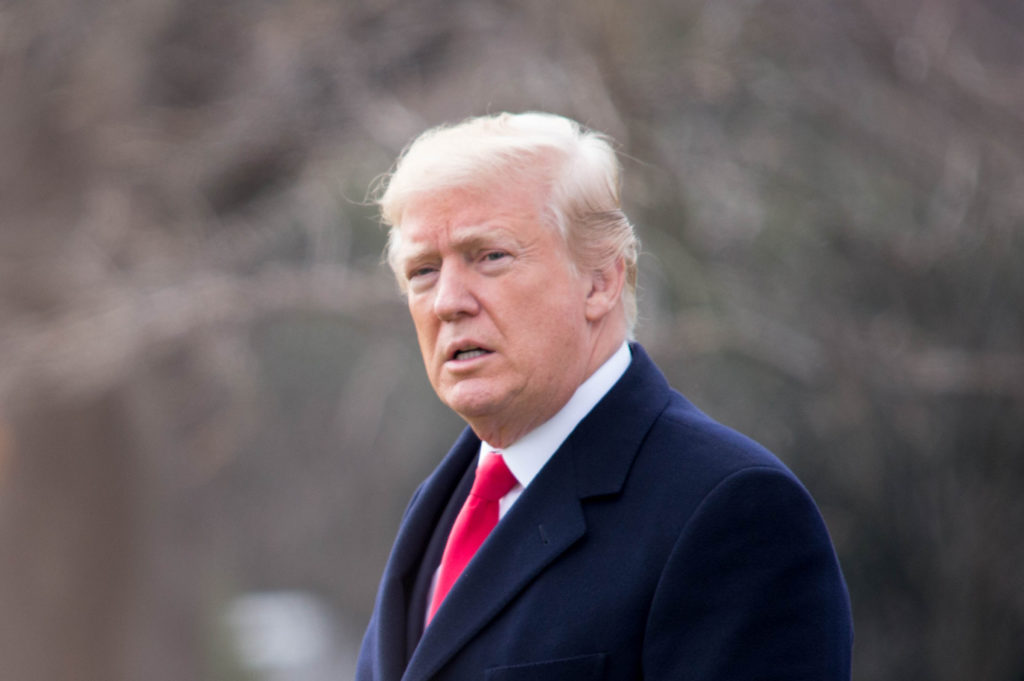
Donald Trump recently claimed that tensions involving Iran and the broader Middle Eastern conflict will wrap up soon. When former presidents make bold predictions about foreign policy shifts, financial markets and political observers tend to react immediately. But beneath the headline statements lies a complex reality of geopolitical positioning, economic fallout, and diplomatic maneuvering that requires a closer look.
You hear a soundbite about a fast resolution, but the ground situation tells a different story. Let's break down why these declarations happen, what factors actually drive regional stability, and how smart market participants filter out the noise.
The Rhetoric Versus The Reality on the Ground
Political statements are rarely neutral. When figures like Donald Trump assert that a conflict is winding down, they usually frame it around deterrence, economic pressure, or the threat of overwhelming force.
- Economic leverage: Financial restrictions often force nations back to the negotiating table.
- Deterrence messaging: Public declarations project strength and discourage escalation.
- Domestic positioning: Voters respond well to candidates who promise swift endings to foreign entanglements.
Yet, actual conflicts involving state actors rarely vanish overnight because of a single speech. Tehran operates on decades of ideological objectives, proxy networks, and security calculations. A simple proclamation cannot erase deep-seated regional rivalries.
How Global Markets React to Middle East Headlines
Markets hate uncertainty. Oil prices, currency valuations, and safe-haven assets swing violently whenever a leader mentions war or peace in the Middle East.
When news drops about an impending end to hostilities, traders often rush to short crude oil or buy equities. That knee-jerk reaction can be dangerous. Energy infrastructure remains vulnerable, shipping lanes through the Strait of Hormuz face persistent threats, and supply chains take months to stabilize even after a ceasefire is signed.
If you trade commodities or manage investments, you've probably learned the hard way that headline-driven trading leads to heavy losses. Experienced investors look past the political posturing and monitor physical supply metrics, OPEC production quotas, and actual military movements instead.
The Real Drivers of Regional De-escalation
Peace or a lasting standstill doesn't happen because someone wills it into a microphone. It requires hard compromises, backchannel diplomacy, and exhaustion from all participating sides.
Iran faces severe domestic economic strains, high inflation, and widespread public discontent. At the same time, regional neighbors are increasingly prioritizing trade, tourism, and infrastructure over endless proxy wars. These economic realities create genuine incentives for a cooling-off period, independent of what any Western politician claims credit for.
However, proxy groups backed by Tehran—ranging from groups in Lebanon and Yemen to militias in Iraq and Syria—maintain their own operational momentum. Stopping the conflict requires controlling dozens of moving parts that do not always answer directly to central governments.
What You Should Do With This Information
Stop reacting to every single news alert or social media post about foreign wars. Instead, build a strategy based on resilience.
- Ignore short-term volatility: Daily swings caused by political commentary rarely dictate long-term economic trends.
- Diversify your exposure: Ensure your portfolio isn't overly dependent on stable energy prices or smooth maritime trade routes.
- Monitor foundational indicators: Watch official economic data, shipping insurance rates, and diplomatic communiques rather than campaign speeches.
The political theater will continue, and leaders will keep claiming they hold the magic key to instant peace. Your job is to stay grounded in reality and protect your interests while the headlines churn.