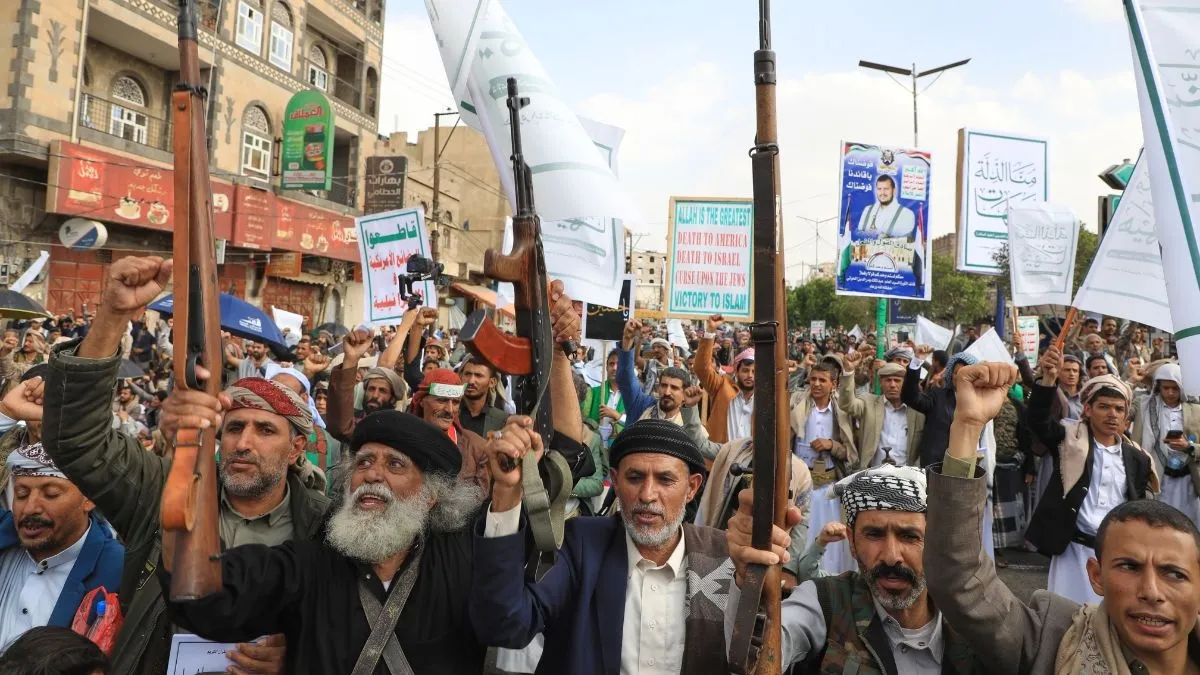
The map of Yemen just changed, and global energy markets are scrambling to catch up. When Iran-backed Houthi forces seized complete control of Yemen's Red Sea coast, including the strategic port city of Mokha and vital islands near the Bab al-Mandab Strait, they didn't just win a local skirmish. They secured a choke point that handles a massive share of international shipping and Saudi oil exports. While fighters and supporters flooded the streets of Sanaa and the Bani Matar district to celebrate the takeover and the return of freed prisoners, diplomats and oil traders in foreign capitals started running panic scenarios.
If you want to understand why this flashpoint matters right now, you have to look past the standard headlines about regional conflict. This is about control over global trade arteries. Let's break down how this happened, what the immediate fallout looks like, and why this development hits the global economy harder than most people realize. Meanwhile, you can find similar events here: Why The Iran And Uae Meeting In Delhi Changes The Energy Game.
How the Houthi Red Sea Offensive Unfolded
The rapid sweep across western Yemen caught international observers flat-footed. For years, the front lines had largely stalled following the 2022 ceasefire that quieted the worst years of Yemen's devastating civil war. But that fragile calm shattered completely.
In a lightning offensive, Houthi fighters pushed hard toward the coast, capturing Mokha and marching on to seize critical outposts, including Mayun Island and the Greater and Lesser Hanish islands. Military officials aligned with Yemen's internationally recognized government confirmed that practically all government-held territory on the western seaboard had fallen. To explore the complete picture, we recommend the excellent article by NBC News.
Supporters marked the victory by holding massive rallies and welcoming a convoy carrying hundreds of freed prisoners back to Sanaa. But the human cost of the sudden flare-up is grim. The United Nations migration agency reported that tens of thousands of civilians have fled their homes since the fighting intensified, creating a massive wave of displacement toward Aden and overwhelming improvised shelters in local schools. Saudi-backed government forces have tried to strike back with punishing airstrikes around Mokha, but the ground reality on the coast belongs to the Houthis.
The Choke Point Strategy and Global Energy Shock
Why does a stretch of Yemeni coastline keep Washington, Riyadh, and Beijing awake at night? It comes down to geography and shipping alternatives.
When regional tensions largely choked off commercial and oil traffic through the Strait of Hormuz, Saudi Arabia relied heavily on the Bab al-Mandab Strait at the southern entrance of the Red Sea to keep crude flowing to international markets. Tankers moved down from Yanbu and out through the narrow passage toward global buyers.
By taking the coast and cementing their grip on the Bab al-Mandab corridor, the Houthis have effectively placed a gun to the head of that transit route. Even though Houthi leadership has insisted that non-Saudi or non-linked commercial shipping remains safe, the psychological and physical risk is destroying trade confidence. Major shipping lines have already altered routes or suspended passages, pushing up insurance rates and freight costs. When local militias can dictate who passes through a critical global maritime bottleneck, energy prices respond instantly.
What Happens Next for the Region
The situation is rapidly hardening into a new, unpredictable phase of conflict. Saudi Arabia and its allies face a brutal strategic dilemma. Do they launch a full-scale counter-offensive to retake the coast, risking a deeper slide back into a brutal multi-year war that had barely cooled down? Or do they accept the loss of the coastline and try to absorb the economic blow to their primary export routes?
Meanwhile, ordinary Yemenis are left paying the highest price, caught between surging front lines, airstrikes, and economic collapse. The celebrations in Sanaa contrast sharply with the desperate scramble for shelter by displaced families in the south. This isn't a localized border dispute. It's a fundamental shift in Middle Eastern power dynamics that will continue to dictate fuel prices, shipping logistics, and geopolitical strategy for months to come. Keep a close eye on maritime insurance rates and Red Sea transit data, because those numbers will tell you the real story long before the politicians do.