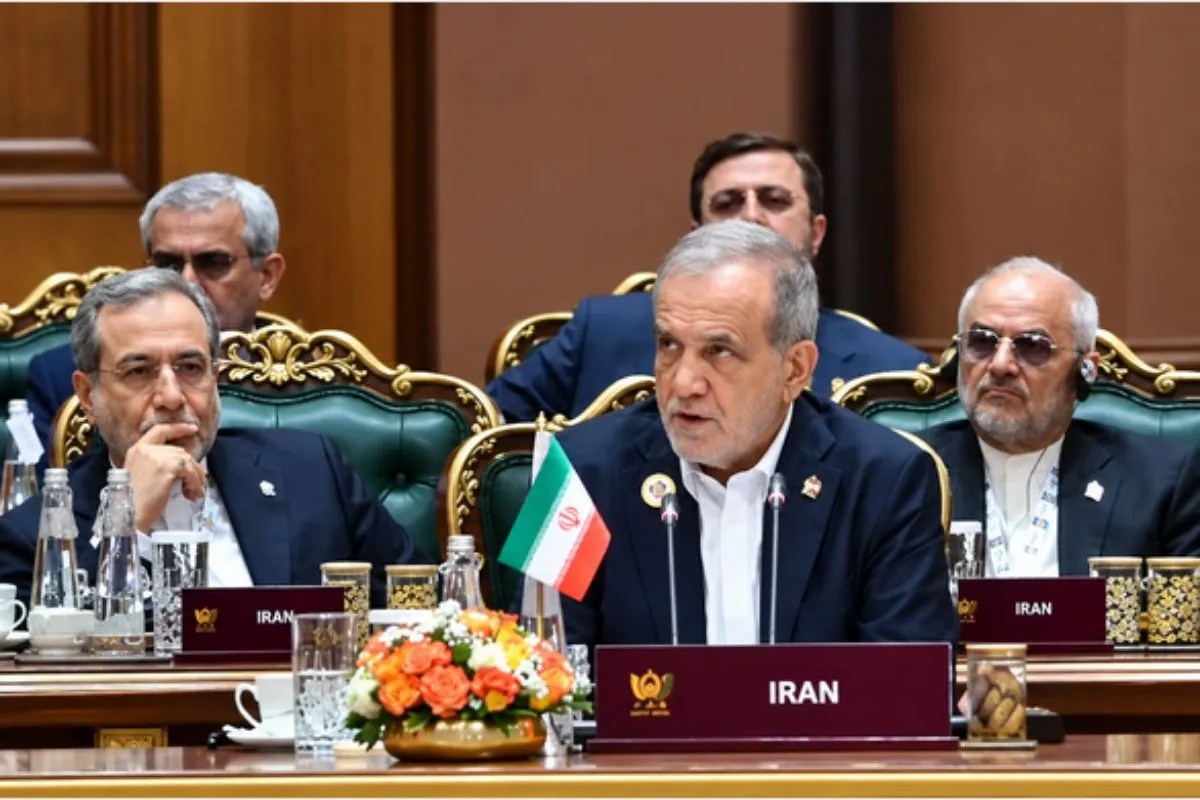
Geopolitical summits usually end with polite handshakes and empty communiqués that everyone forgets by Monday. But the 18th BRICS Summit in New Delhi broke that tiring mold. When leaders from eleven nations backed the New Delhi Declaration, they didn't just issue a standard diplomatic statement. They pushed past tense rivalries—negotiating until four in the morning—to agree on conflict prevention and global governance reform.
If you’ve been watching international relations lately, you know that getting countries like Iran, Saudi Arabia, and the United Arab Emirates to sign off on a joint document while regional tensions simmer is no small feat. India pulled off a massive diplomatic balancing act. Let's look at why this declaration changes the conversation around global power.
Bridging Deep Divides Behind Closed Doors
Negotiation rooms during major multilateral summits are intense. When nations with competing regional ambitions sit at the same table, disagreements flare up quickly. The New Delhi Declaration didn't happen by accident. Indian diplomats spent hours ironing out friction points, especially around trade barriers, unilateral tariffs, and regional security disputes.
Think about the member mix. You have expanding economic powerhouses sitting alongside energy giants with complicated historic alignments. Unanimous adoption means every single member agreed that addressing the root causes of conflict beats escalation every single time. It's a pragmatic stance in a world that often leans toward trade wars and military posturing.
Fixing a Broken Global Architecture
Prime Minister Narendra Modi didn't mince words during his address. He pointed out an uncomfortable truth that many Western-led institutions ignore: the Global South faces the heaviest blows from international crises yet gets zero real say in high-level decision-making.
Modi called out this "pyramid of privilege" and laid down a concrete challenge to transform it into a partnership platform. He proposed ten clear proposals for global governance reform, targeting three pillars:
- Representation: Security Council reform can't wait another decade. Voting power in financial institutions needs to match actual economic weight.
- Responsiveness: Quick disaster responses and a proposed Seafarers Emergency Support Network to protect vital maritime trade corridors.
- Rule-making: Shifting emerging economies from passive rule-takers to active rule-shapers in artificial intelligence, biotechnology, and cyberspace.
The Push Against Trade Distortions
Beyond geopolitics, economics drove heavy friction during the sessions. The final declaration took direct aim at rising unilateral tariff and non-tariff barriers that distort free trade and violate World Trade Organization guidelines.
Global trade is already fragile. When major economies slap arbitrary restrictions on each other, supply chains fracture and consumers pay higher prices. BRICS members used this platform to signal frustration with protectionist policies, signaling a push for faster cross-border payment cooperation and local currency trade mechanisms.
What Happens Next
Consensus is easy to talk about. Execution is where multilateral blocs usually fail. To keep momentum alive, India introduced a troika arrangement to track outcomes and proposed building a secure digital repository for institutional memory.
Watch how these ten reform proposals evolve ahead of the next summit. If the bloc actually turns these talking points into a binding reform roadmap, the international power balance will shift faster than traditional western capitals expect. Stop treating BRICS as just a talking club; it's actively rewriting the rules of the road.