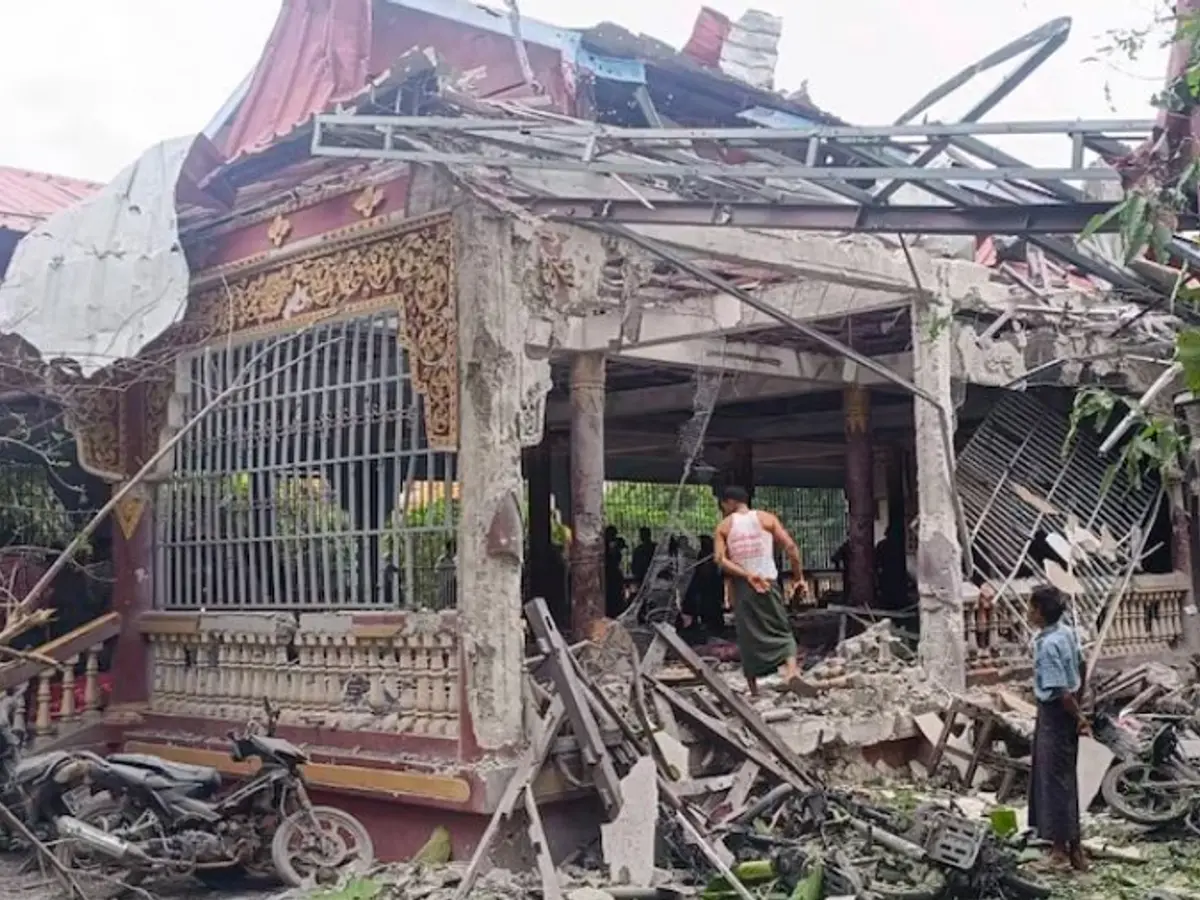
When a place of sanctuary becomes a target, the rules of engagement are clearly non-existent. The recent strike on a Buddhist monastery in Myanmar, which left fourteen people dead during a meditation retreat, highlights the deteriorating safety for civilians in a nation torn by ongoing internal conflict.
This tragedy isn't an isolated incident. It’s a sobering reflection of how the ongoing civil war in Myanmar has eroded the boundaries that once shielded non-combatants. When meditation halls are no longer safe, the psychological impact on the civilian population is profound. It shifts the atmosphere from one of collective uncertainty to one of absolute terror.
The Reality of Violence Against Civilians
Understanding the current situation in Myanmar requires looking beyond the headlines. Since the 2021 military coup, the country has spiraled into a complex web of resistance, counter-insurgency, and persistent aerial attacks. Reports from ground observers indicate that airstrikes, once focused on armed opposition groups, are increasingly impacting civilian infrastructure.
Monasteries hold a unique position in Burmese society. They aren't just religious sites. They serve as community centers, schools, and often, the only safe harbors for displaced families. By targeting such locations, the parties involved are effectively removing the final vestiges of neutral ground.
Why This Matters in 2026
The international community often expresses outrage at these events, yet practical change on the ground remains elusive. You might wonder why these attacks keep happening. It stems from a combination of strategic targeting, poor intelligence, and, frankly, a disregard for international humanitarian law.
When you analyze the frequency of such strikes, a grim pattern emerges. High-density civilian gatherings, even those centered on peaceful activities like religious retreats, are being caught in the crossfire. The lack of accountability ensures that these tactics remain part of the playbook for regional military factions.
The Human Cost Beyond the Numbers
Fourteen lives lost is a specific figure, but it represents a much larger, unspoken toll. For every person killed, dozens are displaced, traumatized, or left without essential services. The medical system, already pushed to the brink by the conflict, struggles to respond when mass casualty events occur in remote or contested regions.
- Displacement: Families flee to neighboring areas, adding strain to already overwhelmed refugee camps.
- Mental Health: The loss of trust in community safety creates long-term psychological scarring.
- Economic Instability: Local markets and agriculture, usually managed by the local community, collapse when people are forced to abandon their homes.
Looking for Alternatives
There’s no quick fix for a conflict that has become so deeply entrenched. However, addressing the situation requires more than just local awareness. International pressure and humanitarian aid delivery need to adapt to the reality that traditional infrastructure is no longer reliable.
If you’re looking to support those affected, focus on grassroots organizations that operate with mobility. These groups can navigate the shifting frontlines to provide food, medicine, and legal support where it’s needed most. Larger aid organizations often face significant bureaucratic hurdles that prevent them from reaching isolated areas in time.
A Cycle of Impunity
The international response to Myanmar’s crisis has been fragmented. Without a unified stance from regional powers and global entities, the military and resistance groups alike continue to operate with little fear of meaningful sanctions or intervention. It’s a stalemate where the civilian population pays the heaviest price.
You’re witnessing a slow-motion collapse of civic security. The targeting of cultural and religious institutions is a classic indicator of a conflict that has transcended standard tactical military maneuvers and moved into the realm of total social disruption.
Moving Forward
Staying informed is only the first step. The situation in Myanmar is incredibly fluid. If you want to understand how this progresses, keep an eye on reports from local community monitors rather than just broad international summaries. They often provide the context that explains why a specific area became a target and what the immediate aftermath looks like for the survivors.
Don't wait for a global consensus to emerge before recognizing the gravity of these events. The suffering in Myanmar is real, it’s persistent, and it shows no sign of abating as the conflict enters another year of attrition. Practical support for local, on-the-ground initiatives remains the only tangible way to mitigate the damage being done to the civilian population every single day.