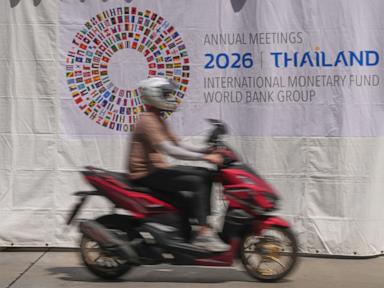
Numbers on a spreadsheet rarely tell you what it actually feels like to run a business or pay grocery bills. The International Monetary Fund just dropped its latest World Economic Outlook, projecting global growth at 3.0 percent for the year before an expected bump to 3.4 percent later. Headlines claim economic forecasts are looking up, but beneath the surface averages, regional divides and persistent inflation are telling a much sharper story.
You shouldn't take headline GDP figures at face value. When an international institution projects world growth, it aggregates everything from booming tech sectors in developed nations to sluggish industrial demand across emerging markets. If you run a small business or manage a personal budget, aggregate statistics mean very little. You are dealing with local prices, sticky interest rates, and uneven supply chains.
Why Global Averages Hide Local Realities
Global growth numbers are heavily skewed by major superpowers. When technology momentum or infrastructure spending surges in a few powerhouse nations, it lifts the global average. Yet, households across many developed and developing countries aren't feeling that windfall. Headline inflation is projected to hover around 4.7 percent globally before easing, meaning everyday costs remain high even if economic engines keep churning.
Disinflation has largely stalled. Central banks find themselves walking a very narrow tightrope. They want to cut rates to support slowing labor markets, but sticky price pressures refuse to disappear completely. If you are waiting for a return to ultra-low borrowing costs, you'll likely be waiting a while.
What the Shift Means for Your Money
Markets react instantly to every revision the IMF publishes, but individual actors need a different playbook. When growth slows in key regions while structural risks like geopolitical conflicts and trade friction persist, volatility becomes the default setting.
- Build cash buffers: Don't assume macroeconomic stabilization translates to personal financial safety. Keep liquid reserves ready.
- Watch input costs: Businesses face persistent pressures from supply chain quirks and labor tightness. Pricing power matters more than ever.
- Ignore the short-term noise: Economic forecasts shift every few months. Focus on long-term execution instead of trying to time policy changes.
Real financial resilience comes from ignoring optimistic headlines and preparing for localized friction. Take control of your balance sheet today.