New York City real estate defies gravity. Prices climb while space shrinks. Yet, single properties still capture global attention because they represent extreme architectural achievement. You look at a price tag like fifty-eight point five million dollars and wonder who actually pays that kind of money.
Let's look past the glossy marketing brochures. Real luxury isn't just about square footage. It's about history, views, and structural engineering that pushes boundaries.
The Reality of Ultra Luxury Pricing
People throw around massive numbers all the time. When a property hits the market with a fifty-eight point five million dollar valuation, buyers expect perfection. You aren't just buying walls and floors. You're buying a piece of the skyline.
Most buyers don't walk in with a briefcase of cash. They structure complex trusts, LLCs, and financing packages that protect their privacy. Privacy costs money. In these iconic buildings, you pay a massive premium just to ensure the paparazzi can't see your morning coffee routine.
Maintenance fees alone would buy a decent suburban house in most states. Staff salaries, concierge services, and structural upkeep run into the tens of thousands monthly. If you buy the apartment, you better have the cash flow to sustain it.
Architectural Marvels and Engineering Feats
Building high-rises in Manhattan is an absolute nightmare. Zoning laws, bedrock depth, and wind resistance dictate every single inch of design. Architects don't just draw pretty pictures. They fight gravity.
When an iconic building goes up, engineers spend years solving logistical puzzles. Cranes block narrow streets. Concrete trucks sit in endless gridlock. Every steel beam requires precise placement.
- Foundation work takes months before you even see ground-level progress.
- Wind dampening systems stop the top floors from swaying too wildly during storms.
- Custom glass panels cost small fortunes to manufacture and hoist into place.
Location Trumps Everything
Manhattan real estate rules remain simple. Location dictates value. You want proximity to central green spaces, cultural hubs, and private clubs.
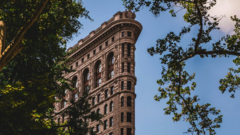
Buyers in this tax bracket care about walkability, even if they have drivers waiting downstairs. They want historic neighborhoods that retain their charm despite rapid gentrification. A building holding a landmark status or sitting on a prime corner commands double the price of a standard glass box two avenues over.
Neighborhood dynamics shift constantly. What was an industrial zone ten years ago becomes the hottest zip code overnight. Smart buyers look at urban planning maps before dropping millions on a view that might get blocked by a taller tower next year.
What Buyers Actually Get for Fifty Eight Million
Amenities sound ridiculous to normal people. Private elevators. Temperature-controlled wine cellars. Valet parking that operates underground.
- Private garage spaces inside Manhattan buildings are rarer than gold.
- Dedicated service entrances keep deliveries away from the main lobby.
- Wellness floors feature private pools, spas, and state-of-the-art gyms.
You aren't buying a home. You're buying a heavily secured ecosystem. You can live, work out, host dinners, and entertain guests without ever stepping foot onto a public sidewalk.
The Resale Market Myth
Everyone thinks luxury real estate only goes up. That is false. High-end properties sit on the market for years. Sellers often slash prices by millions just to find a serious buyer.
Liquidity is terrible. If you need cash fast, a fifty-million-dollar penthouse is the worst asset to hold. You wait for a very specific type of buyer—usually tech founders, international billionaires, or hedge fund titans.
Taxes keep rising too. City and state governments target luxury owners with aggressive property transfer taxes and mansion taxes. Owning iconic property in New York gets more expensive by the year.
Assess your portfolio before chasing trophy assets. If you want a solid investment, buy multi-family units in growing secondary markets. If you want a trophy to look at while you drink espresso, write the check and enjoy the view.