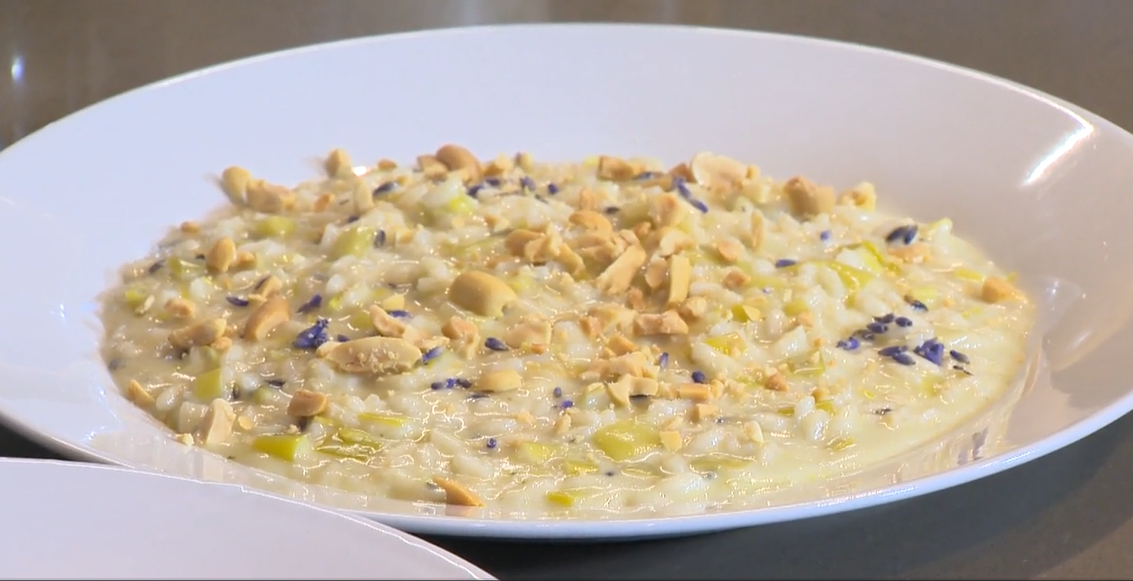
Lavender belongs in soap, right? That is what most people think. Put it in food, and you risk making your dinner taste like a luxury hand lotion. It is a valid fear. Floral cooking goes wrong fast. But when you get it right, the results are incredible.
Risotto is the perfect canvas for this experiment. The creamy, starchy rice softens the intense herbal punch of the flower. It turns a standard weeknight dinner into something sophisticated. If you are tired of the same old mushroom or parmesan variations, this is your next challenge.
The Chemistry of Floral Cooking
Cooking with lavender is not about dumping dried flowers into a pot. It requires a bit of strategy. Lavender contains linalool, the same aromatic compound found in bergamot, mint, and basil. It is heavily fragrant and highly potent.
The secret lies in balance. You need a fat source to coat the palate and prevent the floral notes from becoming sharp. Butter and cheese do heavy lifting here. They mellow out the essential oils, transforming a potentially soapy flavor into a subtle, earthy undertone.
Choosing Your Herbs
Do not grab the pouch of lavender sitting in your linen closet. That stuff is often treated with synthetic oils or pesticides meant for fragrance, not consumption.
You must look for culinary lavender. It is usually Lavandula angustifolia, commonly called English lavender. This variety has far less camphor than the French varieties used in perfumes. It tastes sweeter and smoother. If you use the wrong type, your food will taste bitter and medicinal. No amount of butter can fix that.
How to Build the Perfect Lavender Risotto
Great risotto does not require culinary school, but it does require patience. You cannot rush the starch release. Here is how to make a version that actually works, balancing the floral notes with rich, savory elements.
The Ingredients You Need
- 1 cup Carnaroli or Arborio rice
- 1 tablespoon dried culinary lavender buds
- 3 to 4 cups low-sodium chicken or vegetable stock
- 1 small shallot, finely minced
- 2 tablespoons unsalted butter
- 1/2 cup dry white wine (like Sauvignon Blanc)
- 1/2 cup freshly grated Parmigiano-Reggiano
- 1 tablespoon heavy cream (optional, for extra richness)
- Salt and cracked black pepper to taste
Step 1: Infuse the Stock
Do not throw raw lavender buds straight into the rice at the end. The texture is gritty and the flavor hits like a punch to the face. Instead, warm your stock in a saucepan. Add about half of your lavender buds to the liquid and let them steep on low heat for ten minutes. Strain the buds out. Now you have a fragrant, aromatic base that distributes flavor evenly without ruining the texture of your dish.
Step 2: Toast the Rice
Melt half the butter in a heavy-bottomed skillet over medium heat. Add the minced shallot. Cook until translucent. Do not let it brown. Pop the rice straight into the pan. Stir it constantly for two minutes. You want the edges of the grains to look translucent while the center remains white. This step seals the exterior of the grain, ensuring the risotto holds its shape rather than turning into mush.
Step 3: De-glaze and Simmer
Pour in the white wine. It should hiss and bubble instantly. Stir until the rice absorbs the liquid completely. The acidity in the wine cuts through the richness of the starch and balances the floral lavender notes.
Now, start adding your warm, infused stock one ladle at a time. Stir frequently. Wait until the rice absorbs most of the liquid before adding the next scoop. This friction rubs the starch off the rice grains, creating that signature velvety sauce. Keep going until the rice is al dente. This usually takes about 18 to 20 minutes.
Step 4: The Finish
Turn off the heat. This part is crucial. Stir in the remaining butter and the grated Parmigiano-Reggiano. Cover the pan and let it sit undisturbed for two minutes. This process, known as mantecatura in Italy, creates the ultimate creamy texture. Beat the mixture vigorously with a wooden spoon right before serving. Top with a tiny pinch of the remaining crushed lavender buds and some fresh black pepper for contrast.
Mistakes that Will Ruin Your Dish
People mess up risotto constantly. When you add a volatile ingredient like lavender to the mix, the margin for error shrinks.
Overdosing the Flower
The biggest mistake is simple greed. You think if one teaspoon is good, two must be better. It isn't. Too much lavender makes the dish unpalatable. Start small. You want guests to guess the secret ingredient, not get choked out by it.
Using the Wrong Rice
Long-grain white rice or jasmine rice will not work. They lack the amylose starch required to create a thick, creamy sauce. Stick to Arborio or, ideally, Carnaroli. Carnaroli is often called the king of Italian rice because it retains its shape better and is harder to overcook.
Cold Stock Cold Starch
Never add cold stock to a hot pan of rice. It shocks the grain, stops the cooking process, and results in an uneven texture where the outside is mushy but the center is hard. Keep your stock on a low simmer on the burner right next to your risotto pan.
Perfect Pairings
Lavender risotto is distinct. It needs the right partners on the table so it doesn't clash with everything else.
Pair this dish with roasted chicken or seared duck breast. The savory, fatty profiles of these meats cut through the floral aromatics beautifully. For seafood lovers, pan-seared scallops offer a sweet, delicate contrast that complements the herbal notes without overpowering them.
Pour a glass of dry, high-acidity white wine. A crisp Sauvignon Blanc or an Italian Vermentino works perfectly. Avoid oaky Chardonnays, which will collide heavily with the lavender and create an unpleasant aftertaste.
Go buy a small jar of culinary English lavender. Heat up your stock pan tonight. Skip the standard recipes and give your kitchen a scent upgrade that tastes even better than it smells.