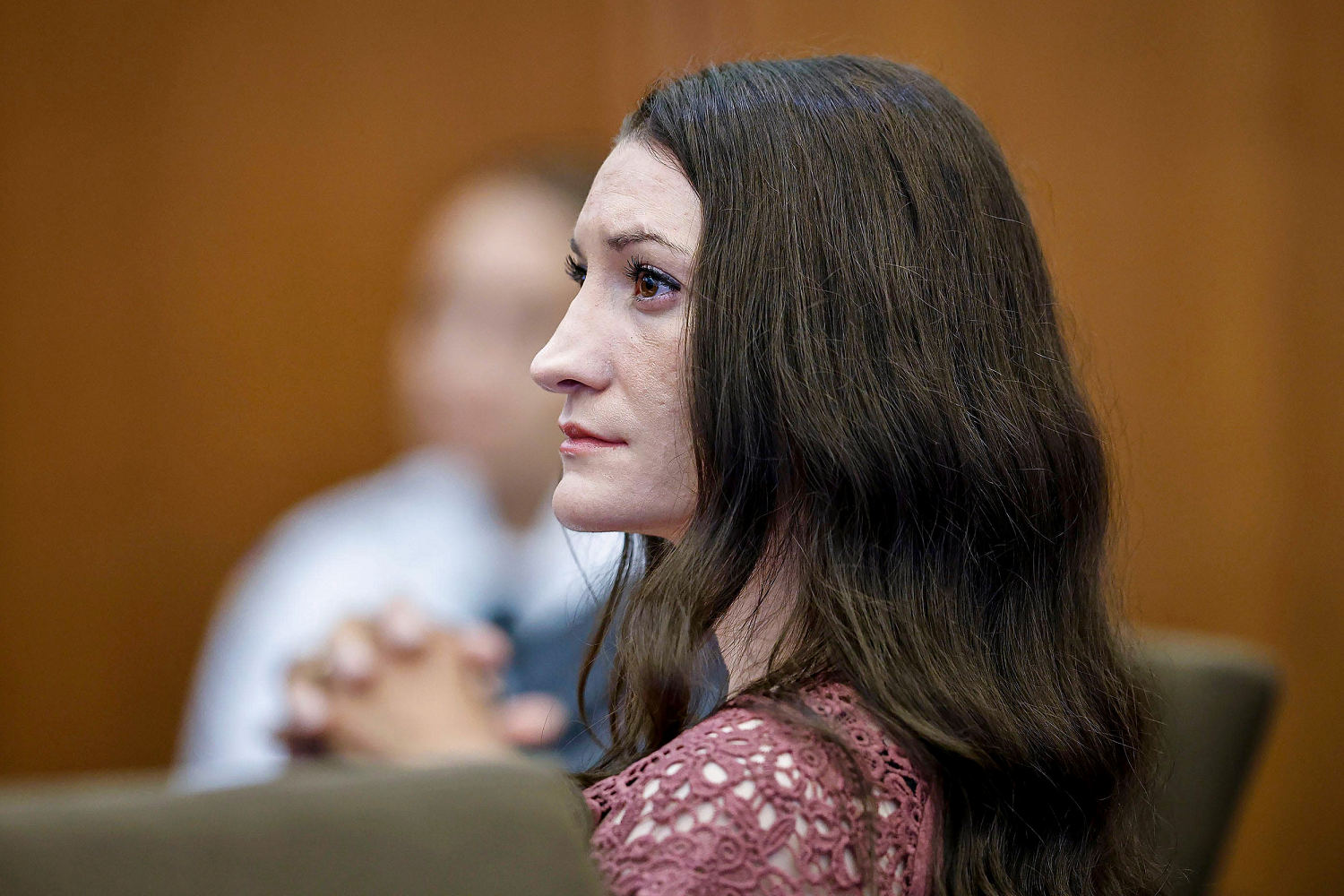
High-profile trials rarely end quietly, but the fallout from the Lindsay Clancy case crossed into dangerous territory long after the gavel dropped. Michael Desronvil, the lone holdout juror who prevented an 11-1 guilty verdict in the murder trial of the Massachusetts mother accused of strangling her three children, stepped forward to share his reality. He didn't find closure. Instead, he found journalists rifling through his mail, strangers peering through his windows, and local police escorting his fiancée home for safety.
If you followed the 2026 proceedings, you know the core dispute. Clancy's defense argued she was deep in the grip of severe postpartum psychosis when she killed 5-year-old Cora, 3-year-old Dawson, and 8-month-old Callan at their Duxbury home in 2023, before attempting to take her own life. Prosecutors countered that the former labor and delivery nurse acted methodically and knew exactly what she was doing. Seven days of deliberations ended in a deadlock, leaving a mistrial in its wake. But the public obsession didn't stop at the courtroom door. It spilled directly onto the people tasked with weighing the evidence.
Why the Jury Room Became a Battleground
When a jury splits, the pressure cooker usually stays inside the courthouse. Not this time. Desronvil broke his silence to explain that he looked at the physical evidence, listened to the expert testimony, and simply couldn't get past what he viewed as calculated planning. "I thought it was enough proof that she knew exactly what she was doing," he noted, standing firm against accusations from defense counsel Kevin Reddington that he acted as an "obstructionist" or harbored hidden biases.
Other jurors painted a starkly different picture of those grueling days behind closed doors. Some claimed big personalities hijacked the room, while others argued over whether jurors with nursing backgrounds improperly brought outside medical opinions into the deliberations. But turning the microscope onto individual jurors misses a deeper systemic flaw in how modern sensationalized trials play out. When the verdict isn't unanimous, public anger immediately hunts for a scapegoat.
The Cost of Anonymous Civic Duty
Jury service is supposed to protect the accused while offering a fair cross-section of community judgment. It isn't meant to be a blood sport. Yet Desronvil's experience highlights a terrifying modern precedent where individual citizens face doxxing, media stakeouts, and aggressive public intrusion simply for holding a dissenting vote.
Think about what this means for future trials. If jurors know their names, past history, and personal lives will be dragged into the public spotlight the moment they fail to conform to a mob's preferred outcome, who will ever agree to serve with an open mind? Defense teams digging into old, dismissed personal records of jurors to discredit them further poisons the well, turning a constitutional duty into a terrifying liability.
What Happens Next in the Legal Limbo
Clancy remains housed in a psychiatric facility while prosecutors weigh whether to push for a retrial, drop charges, or seek lesser counts. Meanwhile, Patrick Clancy, the children's father, has publicly advocated for empathy and forgiveness, urging people to look past the toxic online noise.
The tragedy of the Clancy family remains absolute, touching every painful nerve surrounding maternal mental health, the failures of the psychiatric care system, and the horror of domestic devastation. But the weaponization of public outrage against the people inside the jury box creates a secondary crisis. True justice requires citizens to deliberate freely without fear of harassment. Until the justice system figures out how to shield its jurors from the digital mob, every high-stakes verdict—or lack thereof—will carry an unacceptable human toll.


_Carrier_Strike_Group_formation_sails_in_the_Atlantic_Ocean.jpg/1280px-US_Navy_031130-N-3653A-002_USS_George_Washington_(CVN_73)_Carrier_Strike_Group_formation_sails_in_the_Atlantic_Ocean.jpg)
