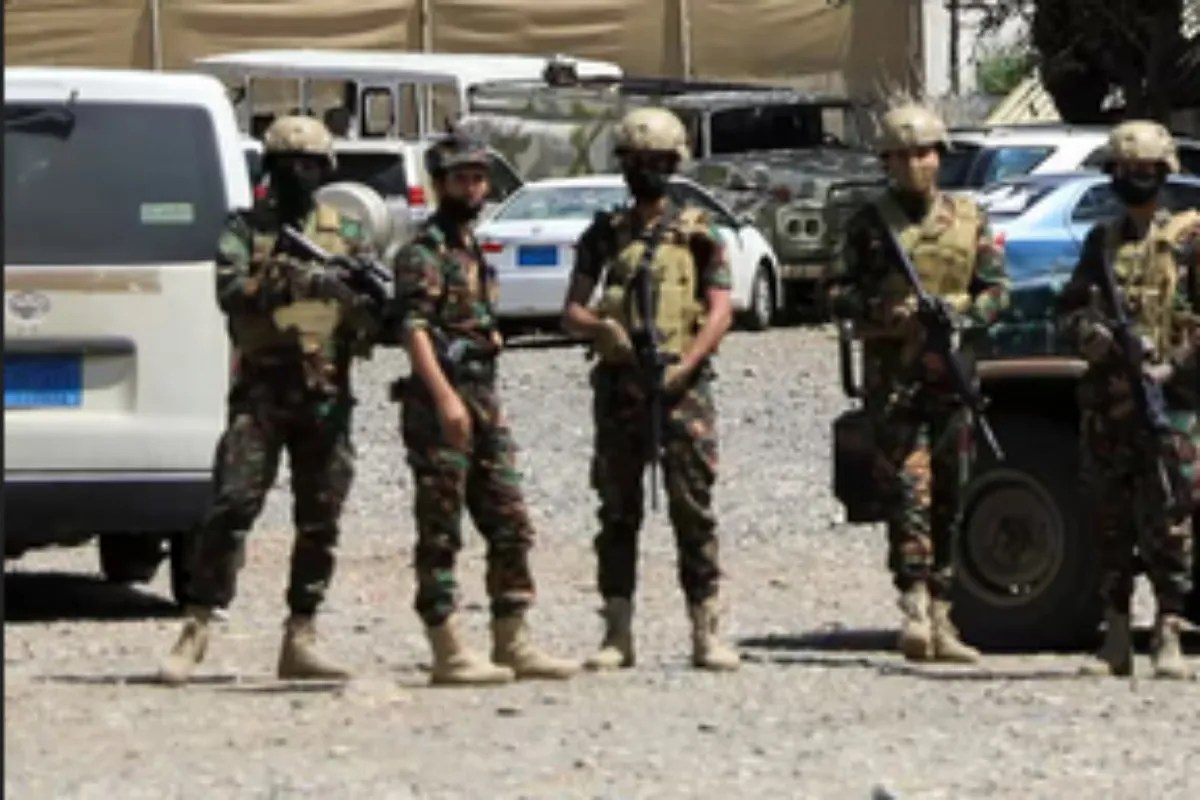
The military landscape in Yemen has shifted dramatically over the past few weeks. If you've been tracking the conflict, you know that numbers coming out of active combat zones often get lost in propaganda. But the recent figures reported from government forces under Operation Dawn of Yemen point to a massive escalation.
We're looking at 1,298 targeted operations, roughly 440 Houthi fighters neutralized, and over 130 armored vehicles and heavy weapon positions turned to scrap. This isn't just a minor border skirmish. It's a calculated, heavy-handed campaign designed to push back against insurgent strongholds and regain strategic ground.
What Operation Dawn Actually Means on the Ground
Launched to reclaim vital territory and challenge Houthi dominance, the campaign relies heavily on coordinated air support, drones, and artillery strikes. Government military spokespersons have made it clear that these aren't random retaliations. They're systematic strikes focusing on Houthi supply lines, troop gatherings, and firing points.
When you lose 132 military vehicles in a compressed timeframe, it hurts. These aren't easily replaced assets. They represent the mobile backbone of Houthi logistics across contested fronts like Al-Jawf and surrounding regions.
Why This Offensive Feels Different
Most previous ceasefires or defensive postures failed to alter the strategic balance. They basically froze the conflict in place, giving both sides time to rearm. Operation Dawn broke that cycle. By taking the fight directly to Houthi reinforcements and command nodes, the internationally recognized government's forces are trying to rewrite the rules of engagement.
Here's what analysts often miss: attrition in Yemen isn't just about troop counts. It's about equipment durability and supply chain control. Every armored unit destroyed or heavy weapon position flattened restricts the movement of insurgent fighters who depend on rapid mobility through rugged terrain.
The Broader Strategic Reality
Let's be honest about the bigger picture. Operations of this scale come with immense humanitarian and logistical costs, and the road to reclaiming major urban centers like Sanaa remains long and brutal. The Houthi movement has proven remarkably resilient over years of conflict, adapting quickly to air campaigns and shifting their forces into urban cover.
Still, the sheer volume of strikes—scaling into thousands when looking at the broader campaign metrics reported by the Presidential Council—shows a level of military coordination that hasn't been seen in years.
If you want to understand where this is heading, watch the supply routes. As long as government forces keep up the pressure on armored units and logistics hubs, the tactical map of Yemen will keep changing.
Yemeni Forces Say 440 Houthis Neutralized in 1,298 Operations
This short video provides a quick visual breakdown of the recent military operations and the specific casualty figures reported from the front lines.