When a global superpower hosts a high-stakes gathering of world leaders, everyday life for local citizens usually takes a massive hit. That reality is playing out across Shenzhen right now. As the Chinese tech capital prepares to host the 33rd Asia-Pacific Economic Cooperation summit, authorities have ratcheted up security measures to an unprecedented level.
If you look past the official narrative of international cooperation and economic progress, you find a city navigating intense lockdowns, restricted mobility, and strict surveillance. Let’s break down what is actually happening on the ground and why this summit represents a massive logistical and social shift for the region.
The Lockdown Effect On Shenzhen Streets
Shenzhen isn't just any city. It’s China’s freewheeling innovation hub, home to giants like Huawei and BYD, packed with over 18 million residents. Yet, the streets have turned unusually quiet.
The Guangdong Provincial Public Security Department raised its security posture to the absolute maximum. Police officers from all over the province flooded into Shenzhen to beef up patrols. Random identity checks on pedestrians have become routine, subway security has reached airline-style levels, and traffic controls have turned daily commuting into a logistical nightmare.
Out-of-town cars face daytime bans across most districts, and the city’s famous delivery drones have been entirely grounded—except for police surveillance units scanning the skies. Postal services are dealing with heavy X-ray screenings, and dangerous goods transport is banned outright.
Managing the Public and Minimizing Friction
Cities hosting events like APEC always face a PR dilemma: how do you keep the global elite safe without completely alienating the local workforce?
Shenzhen’s local government tried to soften the blow by encouraging companies to allow remote work, staggered hours, or paid leave. Local schools even initiated a four-day autumn break. Many residents took the opportunity to escape the gridlock entirely, heading out of town to places like Chongqing to wait out the summit.
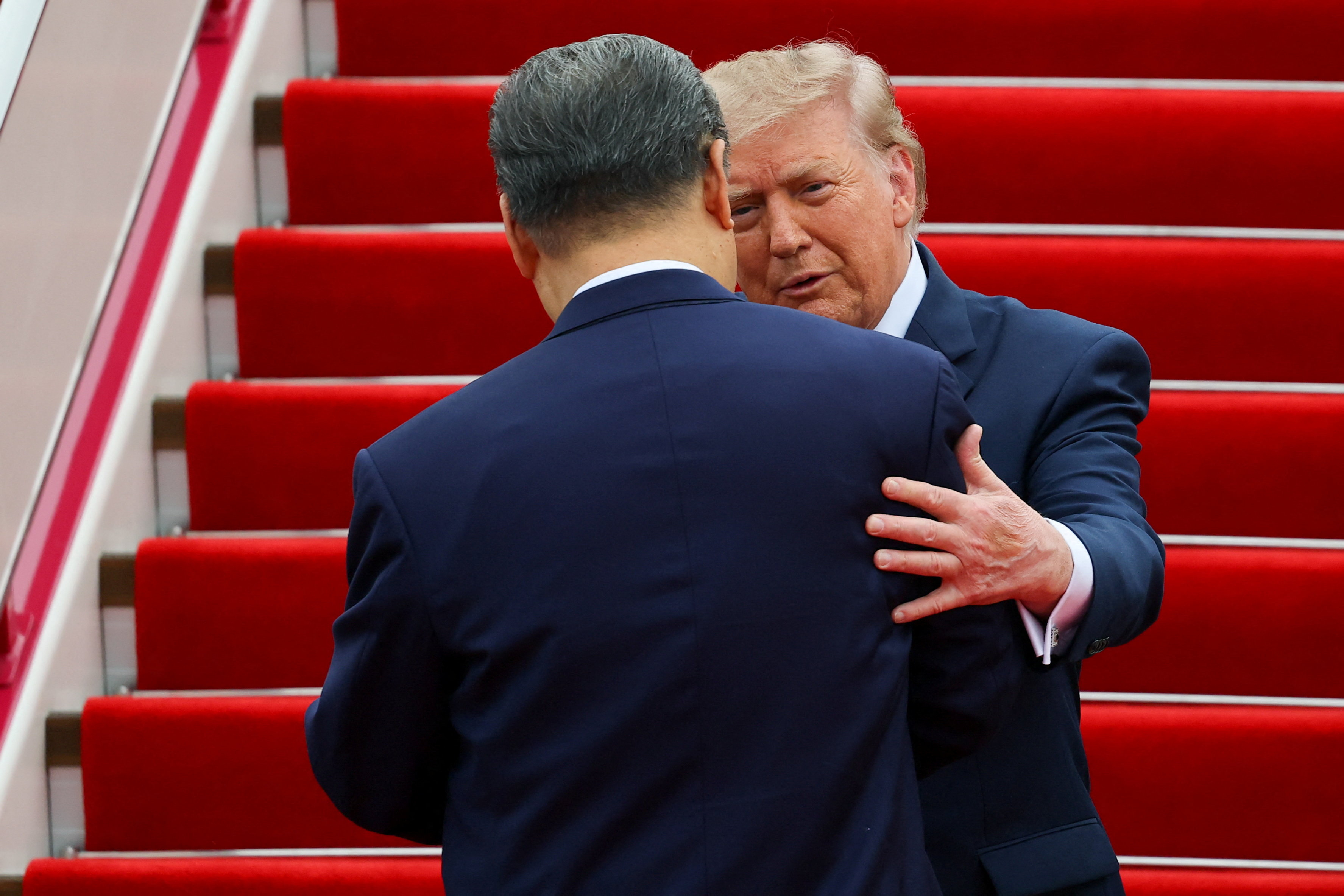
At the same time, public sentiment is deeply divided. Some residents view hosting leaders like Donald Trump, Xi Jinping, and Vladimir Putin as a massive point of civic pride. They see the checkpoints as a small price to pay for global visibility. Others, speaking under strict pseudonyms to avoid reprisals, describe an atmosphere of quiet tension where ordinary routines are disrupted by heavy-handed security.
Why This Summit Matters Beyond Local Inconveniences
Security theater aside, the political stakes in Shenzhen are massive. The summit brings together leaders from 21 member economies, but the real spotlight is on high-level bilateral and trilateral meetings.
Diplomats are watching closely for movement on trade tensions, semiconductor access, and global security frameworks. For Beijing, showcasing Shenzhen’s towering skyscrapers, advanced artificial intelligence infrastructure, and high-tech manufacturing is a strategic play to project economic dominance and political legitimacy.
Yet, the heavy security footprint reveals a darker side of mega-events. When governments prioritize absolute control over civic freedom, ordinary citizens bear the brunt of the disruption.
Check local transit advisories if you're trying to move through Guangdong right now, expect heavy delays at border checkpoints, and don't expect normal business operations to resume until the international delegations pack up and leave.
China Tightens Security Ahead of APEC 2026 Summit
This video provides a visual overview of how Shenzhen transformed its security posture and prepared infrastructure for the arrival of global leaders during APEC 2026 week.