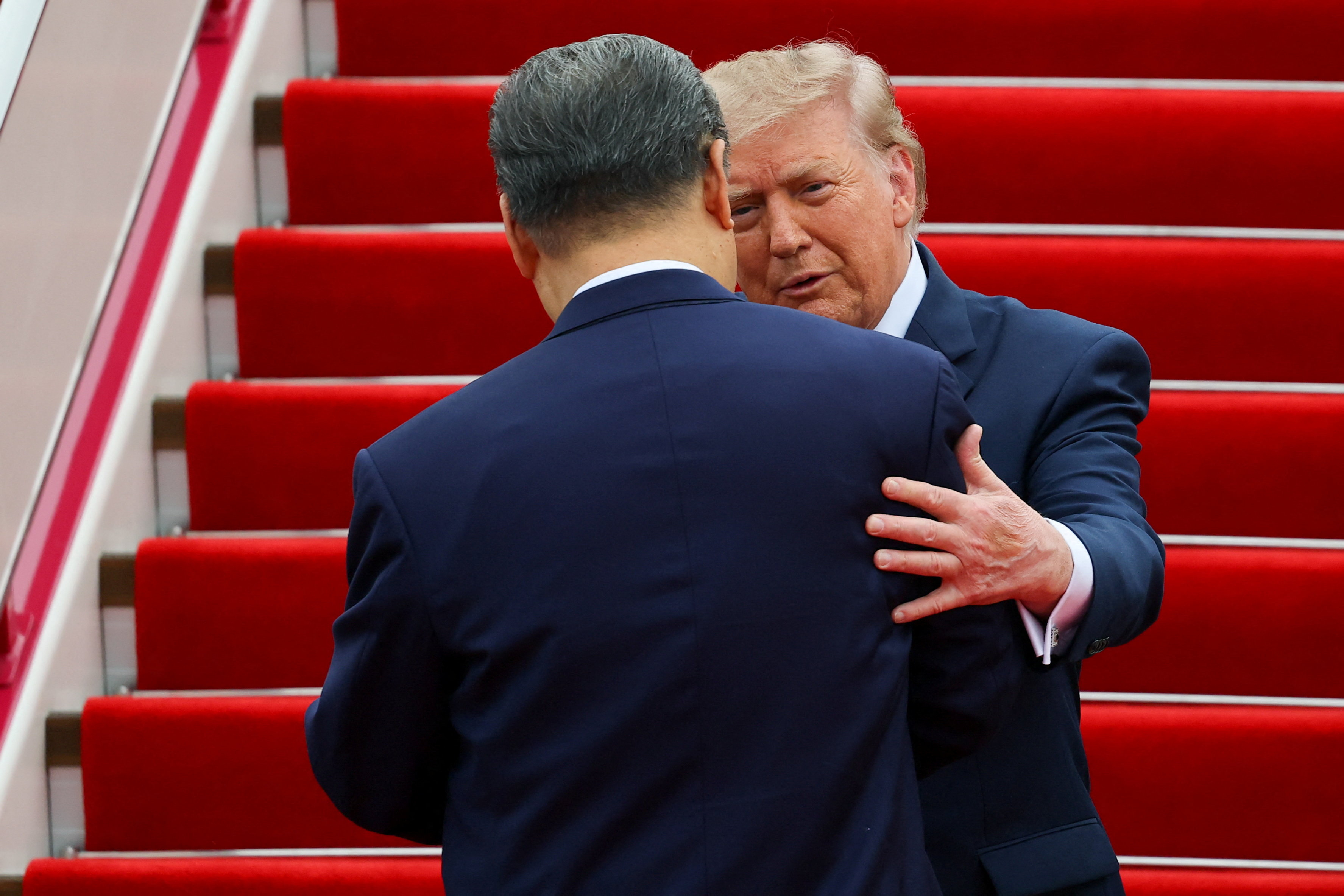
Geopolitical shifts rarely happen with a warning siren. Usually, they creep up behind closed doors, masked by polite diplomatic handshakes and carefully staged red-carpet arrivals. But when world leaders gather in Shenzhen for the Asia-Pacific Economic Cooperation summit, the optics tell a completely different story. We aren't just looking at another routine international photo-op. The historic alignment of Donald Trump, Vladimir Putin, and Xi Jinping in southern China marks a sharp pivot in modern international relations.
If you look past the standard media headlines about schedules and security cordons, a much heavier reality emerges. For years, Washington operated on the assumption of unipolar dominance or strict bilateral friction. Now, the chess board has morphed into a trilateral arena where the host, Beijing, firmly anchors itself as the indispensable broker. Understanding why this meeting matters requires stripping away the diplomatic gloss and looking at what these three heavyweights actually want from each other right now. Meanwhile, you can read similar developments here: Inside The Foiled Illinois Temple Plot That Barely Missed A Massacre.
The Reality Behind the Shenzhen Gathering
Let's clear up the confusion right away. Media outlets initially scrambled to define the exact mechanics of these high-level sit-downs, confusing bilateral whispers with the main event. The core attraction in Shenzhen isn't just a standard side-meeting; it's the unprecedented three-way configuration involving Trump, Putin, and Xi.
Beijing didn't orchestrate this summit by accident. By hosting both leaders, Xi Jinping positions himself precisely where Beijing wants to be: at the absolute center of global gravity. Putin arrives in China fresh off bilateral talks, looking to solidify economic resilience against Western pressure. Meanwhile, Trump steps onto the tarmac aiming to force a reset on terms that shift away from endless proxy stalemates toward high-stakes transactional diplomacy. To see the bigger picture, we recommend the detailed article by The New York Times.
The agenda officially points toward nuclear non-proliferation and regional conflicts like Iran, but the unspoken subtext is raw leverage. When global superpowers meet without a rigid, pre-agreed joint statement or binding documents, they aren't tying their hands—they're testing each other's limits.
What's Really on the Table
To grasp why this summit makes traditional foreign policy analysts sweat, look closely at the primary talking points. Trump made no secret of his priorities before packing his bags, pointing squarely at nuclear arms control and the ongoing tragedy in Ukraine.
Core Summit Priorities:
- Strategic nuclear posture and arms control frameworks
- De-escalation discussions regarding Iran and regional stability
- Economic positioning and trade adjustments
- The shadow of the ongoing war in Ukraine
Trump's framing of the Ukraine conflict remains brutally pragmatic and blunt. He has repeatedly pointed out the staggering human toll, arguing that the status quo is unsustainable. Yet, senior U.S. officials ahead of the trip tried to fence off the Ukraine track, insisting that Beijing shouldn't be driving that specific conversation.
This creates an immediate friction point. Moscow views the geopolitical landscape through the lens of its security demands, while Washington tries to compartmentalize economic competition with China from military flashpoints in Eastern Europe. Yet, in the real world, these issues bleed into one another. You cannot talk about global stability in Shenzhen without addressing how Russian energy flows, Chinese manufacturing supply chains, and American sanctions intersect.
The Strategic Triumph for Beijing
You have to hand it to Beijing's diplomatic corps. Pulling off a summit of this magnitude while tightening domestic security in Shenzhen isn't just about showing strength to foreign capitals—it's domestic theater as well. Xi Jinping gets to project the image of a statesman who can bring Washington and Moscow to the same regional table.
For years, Washington tried to isolate Moscow completely. Watching a U.S. administration engage in a high-level trilateral format that includes both Russian and Chinese leadership proves that absolute isolation policies have hit a hard wall. Pragmatism has officially replaced moral posturing.
Senior U.S. officials have tried to lower expectations, calling the session an entry point rather than a deal-making factory. They are right to do so. Breakthroughs don't happen in a single afternoon when historical grievances run this deep. But calling it just a "starting point" downplays the psychological shift. The moment these three leaders sat down together in the same room, the old unipolar playbook officially expired.
Where Global Diplomacy Goes From Here
So, what happens when the handshakes in Shenzhen fade and the leaders fly home? Nothing changes overnight, but everything changes structurally.
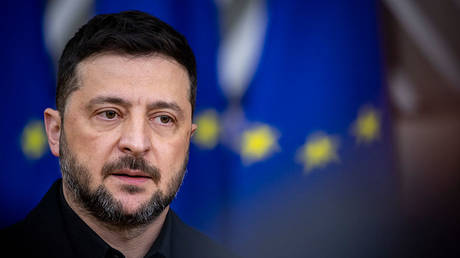
Expect a scramble in European capitals. Leaders in Brussels and Kyiv are watching these developments with deep anxiety, terrified of being sidelined by a deal cut over their heads. When superpowers negotiate broad security frameworks, regional players often get squeezed.
The real test won't be the public declarations coming out of the APEC sidelines. It will be whether Washington and Beijing can carve out an actual understanding on nuclear arms control—an area where China's expanding arsenal has completely rewritten the strategic math of the past decade. If they can establish a baseline for communication, Shenzhen will be remembered as the moment the world acknowledged a multipolar reality. If it fails, we are simply locking ourselves into a more volatile, unpredictable era of great power competition. Either way, the era of ignoring the triangle is over.