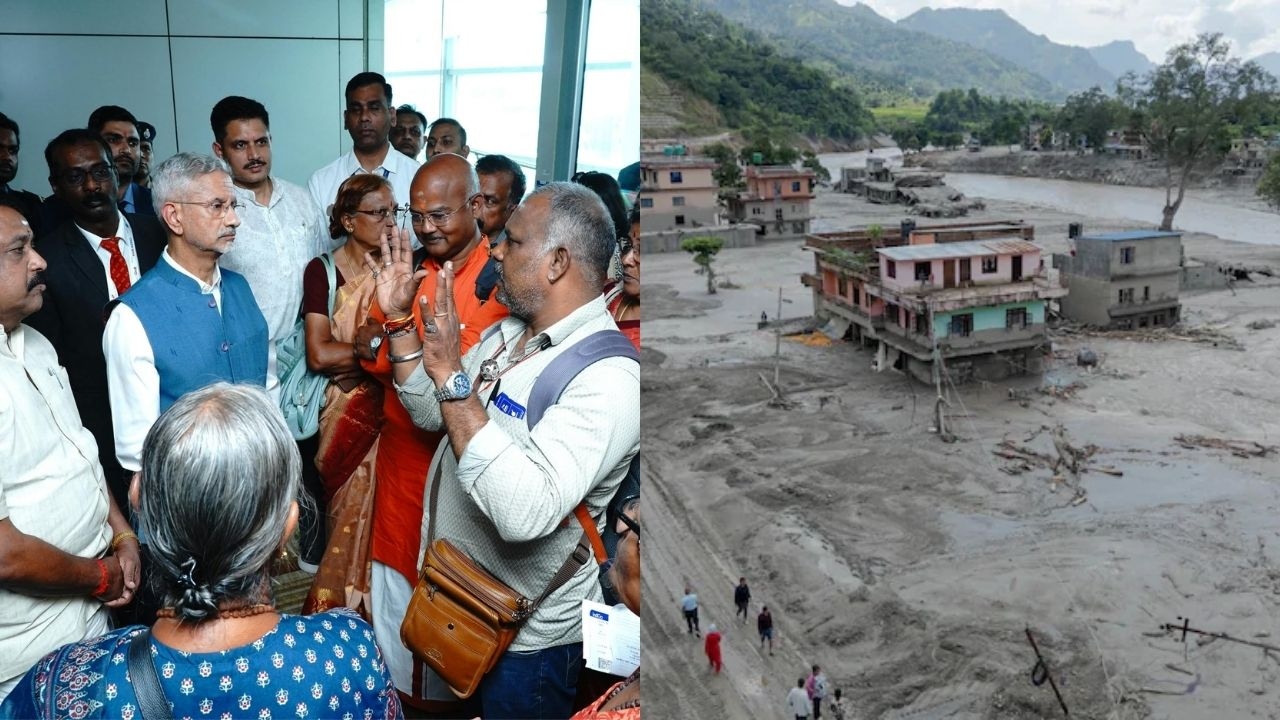
Returning home from a spiritual journey shouldn't feel like surviving a war zone. Yet, for 21 pilgrims from Tamil Nadu who landed back in Chennai, stepping off the plane felt like a literal second birth after an avalanche-triggered flash flood tore through their convoy in Nepal.
You plan a trip, pay your hard-earned money, and expect memories of temples and mountains. You don't expect the landscape to turn on you in a matter of seconds.
When Nature Strikes Without Warning
The disaster unfolded when a sudden, massive rush of water and debris hit a convoy of three tourist buses. For Vijayabhuvaneshwari, one of the returning survivors, the sound was unforgettable. It echoed through the valley like an explosive blast.
Her vehicle was sandwiched between the front and rear buses, which took the brunt of the initial surge. With water rising rapidly, passengers had no choice but to scramble onto the roof of their bus and scale a nearby hill to reach an Armed Reserve Police camp.
Most people in her position would feel pure panic. When asked if she honestly thought she would survive, her reply was brutally honest. She gave herself a ten percent chance, admitting her only focus was her daughter back home.
Another survivor, Vallinayaki, described the terrifying wall of sliding debris as a volcanic eruption of concrete. It devoured everything in its path. It is a stark reminder that when Himalayan weather turns violent, human planning means very little.
The Climate Reality Behind the Disaster
Disasters like this leave deep psychological marks. They also force uncomfortable conversations about environmental changes in fragile mountain ecosystems.
Kirubathiri, another survivor from the group, pointed out the obvious truth most travelers ignore. Climate change isn't some distant abstract concept debated in conference rooms. It's an active threat. And as history repeatedly shows, vulnerable communities and travelers end up paying the heaviest price for environmental neglect.
Official numbers from Nepal's disaster management authority paint a grim picture of the overall crisis. Hundreds of confirmed deaths and thousands of missing persons highlight the sheer scale of the catastrophe.
The Agony of Waiting Families
While the 21 pilgrims are finally back with their loved ones, the crisis is far from over.
Government estimates suggest roughly 400 travelers from Tamil Nadu were touring Nepal around the time the disaster hit. While state officials managed to secure the safe return of around 140 people, dozens remain unaccounted for.
Families waiting at Chennai airport experienced a painful mix of relief and despair. Seeing some survivors hug their children brought immense joy, but the lack of an official, verified list of missing people left many relatives stranded in uncertainty. When communication lines fail and official channels lag behind, families are left relying on social media updates and desperate prayers.
Coordinating international rescues is messy. Ministers deployed to Delhi and local authorities face massive logistical hurdles trying to track down citizens scattered across remote Himalayan regions. But for a parent or sibling waiting at an arrival gate, bureaucratic delays feel unbearable.
If you or someone you know plans to travel to high-altitude pilgrimage routes, stop treating safety protocols as optional. Check local weather warnings, register your travel details with regional authorities, and maintain emergency communication channels. Nature doesn't care about your itinerary. Respect the mountains, because they won't hesitate to remind you who is in charge.