Twenty-sept human lives ended in a single blast near Kyiv, proving once again that safety is a luxury no one possesses in Ukraine right now.
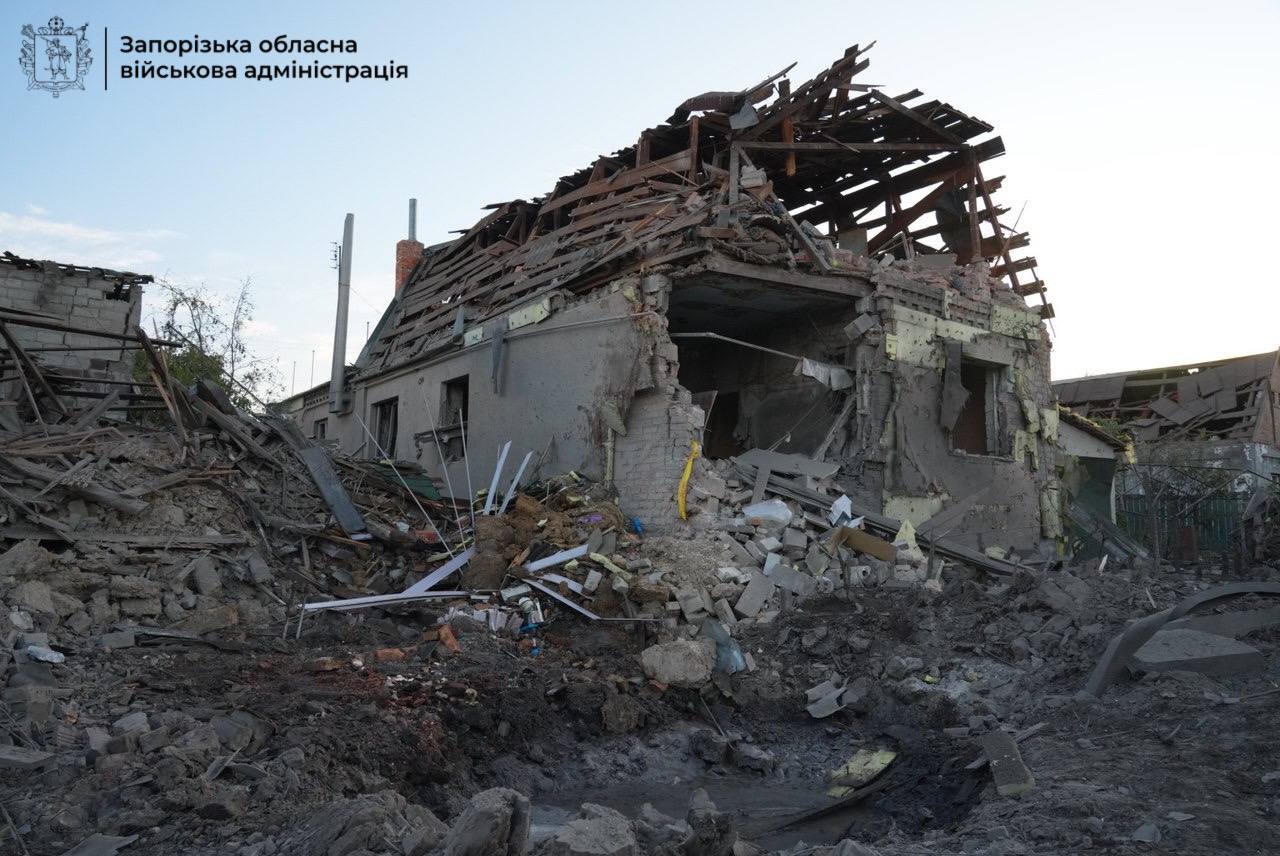
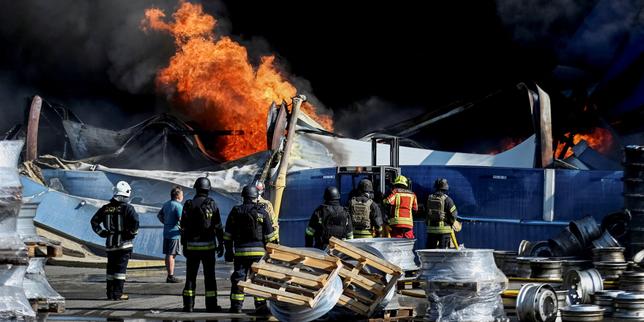
When a Russian strike hit a warehouse facility in the Bucha district, it didn't just cause material damage. It triggered massive secondary detonations that flattened surrounding areas and shattered what little peace local residents thought they had recovered. The official toll sits at 27 dead, but numbers in this conflict rarely tell the full story of the chaos on the ground. Over forty people sustained injuries, and hundreds had to be evacuated from the danger zone.
Why This Specific Attack Changes the Conversation
Most people look at the war through the lens of frontline trenches and artillery duels. They forget about the logistics hubs, the industrial zones, and the civilian areas sitting miles behind the active combat line.
Bucha carries a heavy psychological weight. Mentioning the name instantly brings back memories of the early-war atrocities that shocked the world. Now, the district faces a new kind of devastation. The strike targeted a storage site, but the aftermath exposed uncomfortable questions about how materials are managed close to civilian populations.
State emergency services rushed to the scene as fires raged through the night. Secondary explosions made firefighting nearly impossible for hours. You can't just send crews into an inferno when ammunition is cooking off every few seconds.
The Legal and Operational Aftermath
Prosecutors didn't just point fingers at Moscow this time. They also opened a criminal investigation into the facility itself.
Investigators are digging into whether explosive materials were stored legally and if the company operating the site had proper safety permits. Storing high-risk inventory near populated areas crosses a dangerous line. When a foreign strike meets internal regulatory negligence, civilians pay the ultimate price.
Officials made it clear that accountability goes both ways. You have to fight the invader, but you also have to protect your own people from avoidable internal hazards.
The Human Cost Behind the Numbers
Behind every statistic released by regional authorities is a family facing an unimaginable reality. Four children were among the wounded. Hospitals in the region scrambled to treat severe shrapnel wounds and trauma cases.
Nearly four hundred residents, including dozens of children, packed whatever they could carry and left their homes behind. Dmytrivka's community center turned into an operational hub for coordination and relief, trying to house people who lost everything in seconds.
The air defense systems work overtime—intercepting waves of drones night after night—but defense can never be one hundred percent effective. One single breakthrough is all it takes to turn an industrial park into a mass casualty site.
Pay attention to how logistics and civilian safety intersect as this conflict grinds on. The front line isn't a fixed boundary anymore. It runs right through the middle of everyday life.