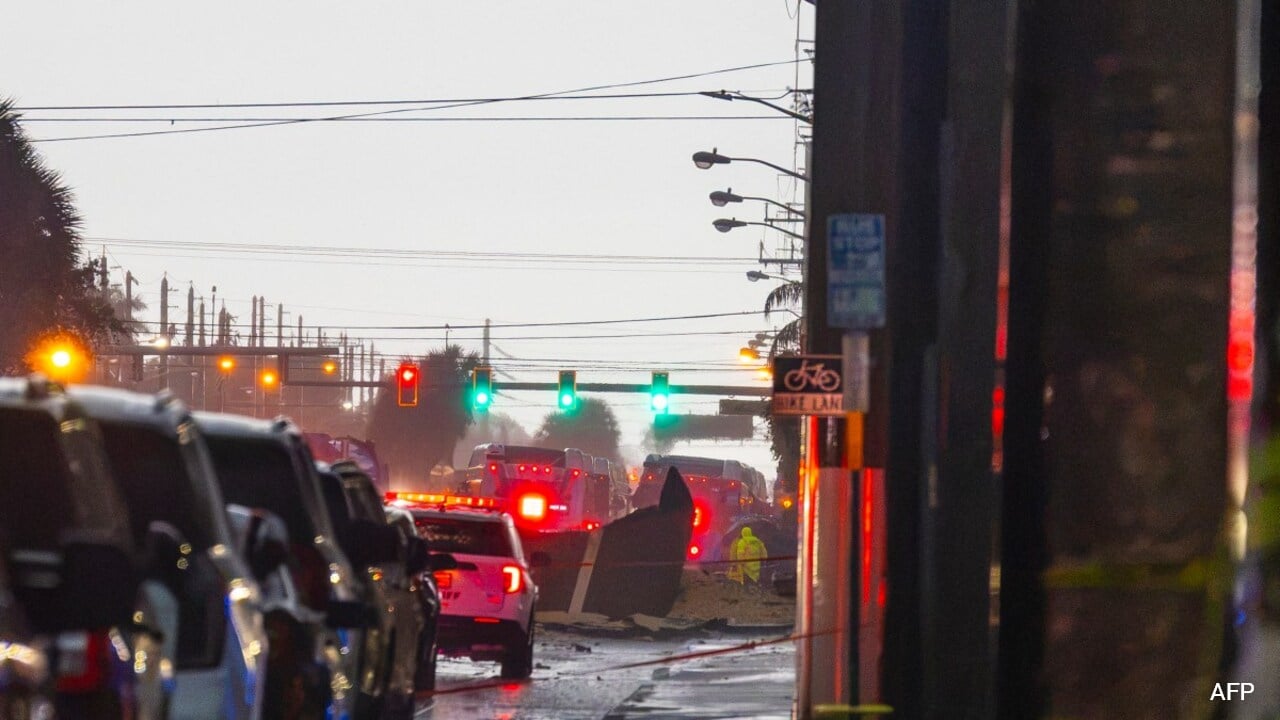
Air disaster investigations rarely offer clean answers in the first forty-eight hours, but the National Transportation Safety Board's early briefings on the fatal Palm Beach County Learjet crash paint a harrowing picture. When a private Learjet 60 plummeted into a South Florida residential area, killing all nine people on board, it immediately sparked intense scrutiny from federal authorities. Recent updates from investigators confirm a chilling detail: physical evidence points toward an in-flight breakup before the jet struck the ground.
If you have followed aviation disasters, you know an in-flight structural failure changes the entire scope of an inquiry. It shifts the focus from a simple pilot error or engine failure to extreme aerodynamic loads, severe weather encounters, or systemic material fatigue.
The Final Minutes at Thirty-Five Thousand Feet
To understand how a routine flight from Austin, Texas, to the Bahamas turns catastrophic, you have to look closely at the timeline provided by air traffic telemetry and initial NTSB disclosures. The flight started normally, but things deteriorated quickly once the aircraft reached high altitudes.
The crew reported encountering light clear icing that they initially considered manageable, paired with moderate turbulence at thirty-five thousand feet. Altitude deviations of around seven hundred feet signaled that the aircraft was already struggling to maintain stable flight in harsh atmospheric conditions. With an outside air temperature plunging to minus forty-seven degrees Celsius, the pilots requested a climb to thirty-seven thousand feet to find smoother air.
Air traffic control cleared the climb. Less than thirty seconds later, everything fell apart.
The aircraft suddenly declared a mayday, announcing a rapid descent and an overspeed condition. Flight tracking data later revealed vertical descent rates spiking past thirty-two thousand feet per minute. Audio captures from the final moments reveal the sheer panic in the cockpit, ending with a crew member shouting that they were out of time before the signal cut out entirely.
Searching for Fragments Across a Widespread Debris Field
The revelation that parts of the Learjet broke off before impact comes directly from physical evidence collected across Palm Beach County. NTSB board members noted during briefings that search teams are combing areas far away from the main impact crater because structural components likely detached while the plane was still airborne.
This creates a massive logistical hurdle for investigators. A scattered debris field means recovery teams have to map out a wide grid across local neighborhoods, sports fields, and commercial properties. Federal officials explicitly warned local residents not to touch or move any aircraft parts they find, as every stray fragment holds vital clues about the sequence of the breakup.
Investigators are heavily scrutinizing the role of severe weather, icing, and extreme aerodynamic stress. When a jet enters an overspeed condition during a steep, uncontrolled plunge, the structural limits of the airframe can be easily exceeded. Wings, control surfaces, and tail sections face forces they aren't designed to handle at terminal velocities. Determining whether structural failure caused the dive or whether the dive caused the structural failure remains the core puzzle facing aviation experts.
What Happens Next in the Investigation
Recovering the black boxes—specifically the cockpit voice recorder and the flight data recorder—remains a top priority for recovery crews scouring the water-filled impact crater. These devices will provide the definitive digital playback of engine parameters, control inputs, and internal alarms that eyewitness videos and radar traces cannot supply.
As technical teams pore over maintenance logs, weather radar archives, and air traffic control transcripts, the aviation community is left waiting for the official preliminary report. While public speculation naturally focuses on the dramatic final seconds of the flight, unearthing the exact chain of events will take months of meticulous forensic engineering.
Keep local safety boundaries intact if you live near the recovery zone, and let federal investigators finish their work before drawing conclusions about a tragedy that cut nine lives short.