Major General Amir Hatami isn't speaking in hypotheticals when he warns of a crushing response to any enemy miscalculation. He's talking against the backdrop of months of direct military clashes, naval friction in the Persian Gulf, and shifting leadership in Tehran.
When Iran's Army chief says any renewed aggression will trigger a more severe reaction without geographical limits against adversaries and their supporters, he's sending a message to Washington, Tel Aviv, and neighboring capitals hosting foreign forces. Anyone trying to read this moment only through Press TV's official framing misses half the picture. State-backed outlets emphasize resilience, historical endurance, and total readiness. Independent analysts look at the same speeches and ask a harder question: how much of this is deterrence, and how much is damage control after costly fighting?
If you're following the conflict in West Asia, the real story isn't just the tough rhetoric. It's what those warnings reveal about escalation thresholds, regional vulnerabilities, and how miscalculation happens even when both sides claim they want to avoid a wider war.
What Major General Amir Hatami Actually Signaled
Hatami's remarks—highlighted by Press TV and covered across regional outlets—focused on the readiness of Iran's Ground Force, Navy, Air Defense Force, and Air Force under directives from Commander-in-Chief Ayatollah Seyyed Mojtaba Khamenei. Speaking around an exhibition tied to recent confrontations that Iranian officials frame as "Sacred Defense" campaigns, Hatami argued that past hostilities trapped adversaries in strategic trouble and promised a harsher, wider reply if attacks resume.
Two phrases stand out. First, "without geographical limitations." Second, targeting both the primary adversary "and its supporters."
That isn't casual boilerplate. In earlier rounds of fighting, officials in Tehran pointed to narrower targeting boundaries. Expanding the stated target set—to include regional bases, maritime choke points, or states viewed as facilitating strikes—raises the cost of any tactical misstep. Even if a military planner expects a limited strike to stay contained, Tehran is publicly signaling that it won't treat the battlefield as neatly bounded.
At the same time, notice the nuance Hatami included. He said he hopes the enemy avoids a miscalculation. Tough deterrence works best when paired with a clear off-ramp, even a narrow one.
Rhetoric vs. Capability on the Ground
Let's be honest. Commanders in every conflict talk big to project strength and steady domestic morale. Saying forces have reached "necessary levels of readiness" doesn't settle arguments among defense analysts over air-defense replenishment, naval exposure, or economic strain.
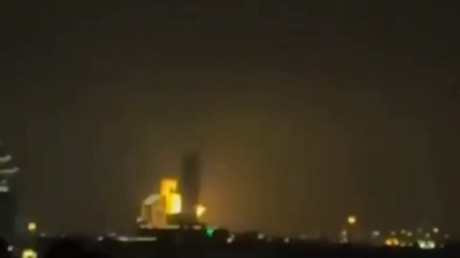
Still, dismissing strong warnings as empty bluster is a classic mistake. During the 2026 escalation that began in late February, hostilities spilled far beyond a single border—affecting shipping through the Strait of Hormuz, drawing in regional sites, and driving sharp economic shockwaves globally. When a military chief threatens an expanded response, you don't have to take every word at face value to take the risk seriously.
Why Miscalculation Is the Real Danger Right Now
Most people hear "miscalculation" in a speech and think of a sudden, dramatic invasion. In practice, modern crises rarely start that way. They start with small assumptions that turn out wrong.
One side assumes a limited strike won't trigger a wide retaliation. The other side assumes a warning is just posturing, or reads a routine troop or drone movement as an imminent attack. When tensions are already high—following strikes, maritime incidents, and diplomatic breakdowns—the margin for error shrinks to almost nothing.
Consider how easily signals get crossed around the Persian Gulf and wider West Asia. A drone launch, a tanker incident, or a retaliatory strike on a facility can cascade within hours. Even leaders who want to avoid an all-out war can get pulled deeper in if domestic politics demand a visible answer or if intelligence misreads an opponent's intent.
What Press TV Leaves Out That Matters
Press TV serves as a state-aligned voice for the Islamic Republic, so its coverage naturally centers Tehran's narrative: sovereign defense, enemy failure, and unyielding resolve. If you read only that version, you won't see how outside observers interpret the same events.
Research groups like the Quincy Institute for Responsible Statecraft and conflict trackers like the Institute for the Study of War examine the broader strategic dynamics—including assumptions about leadership stability, military degradation, and escalation risks. Comparing state media with independent reporting and international wire coverage gives you a much sharper view of what's happening and why each side frames the stakes the way it does.
How to Read Escalation Signals Without Getting Played
When headlines scream about "crushing responses" and "no geographical limits," it's easy to either panic or tune out completely. Neither helps.
Here is a practical way to track these statements like an analyst rather than a doomscroller:
- Cross-check the venue and timing. Notice whether a warning comes from a ceremonial visit, an official briefing, or right after a kinetic incident. Context tells you whether a commander is reinforcing an existing line or reacting to a fresh move.
- Look for changes in target language. Pay attention to who or what gets named. Shifting from general warnings to specific geographic zones or "supporters" signals a deliberate change in deterrence messaging.
- Compare multiple sources. Read a state outlet alongside independent newsrooms and policy analysis so you can separate official messaging from verified events on the ground.
- Watch real-world indicators over speeches. Shipping advisories, diplomatic statements, and verified strikes matter far more than adjectives in a speech.
Strong words from Tehran's military leadership aren't going away anytime soon, especially while regional flashpoints remain active. Keep your eyes on concrete actions, verify claims across credible outlets, and treat every bold warning as a clue to where the tripwires sit.