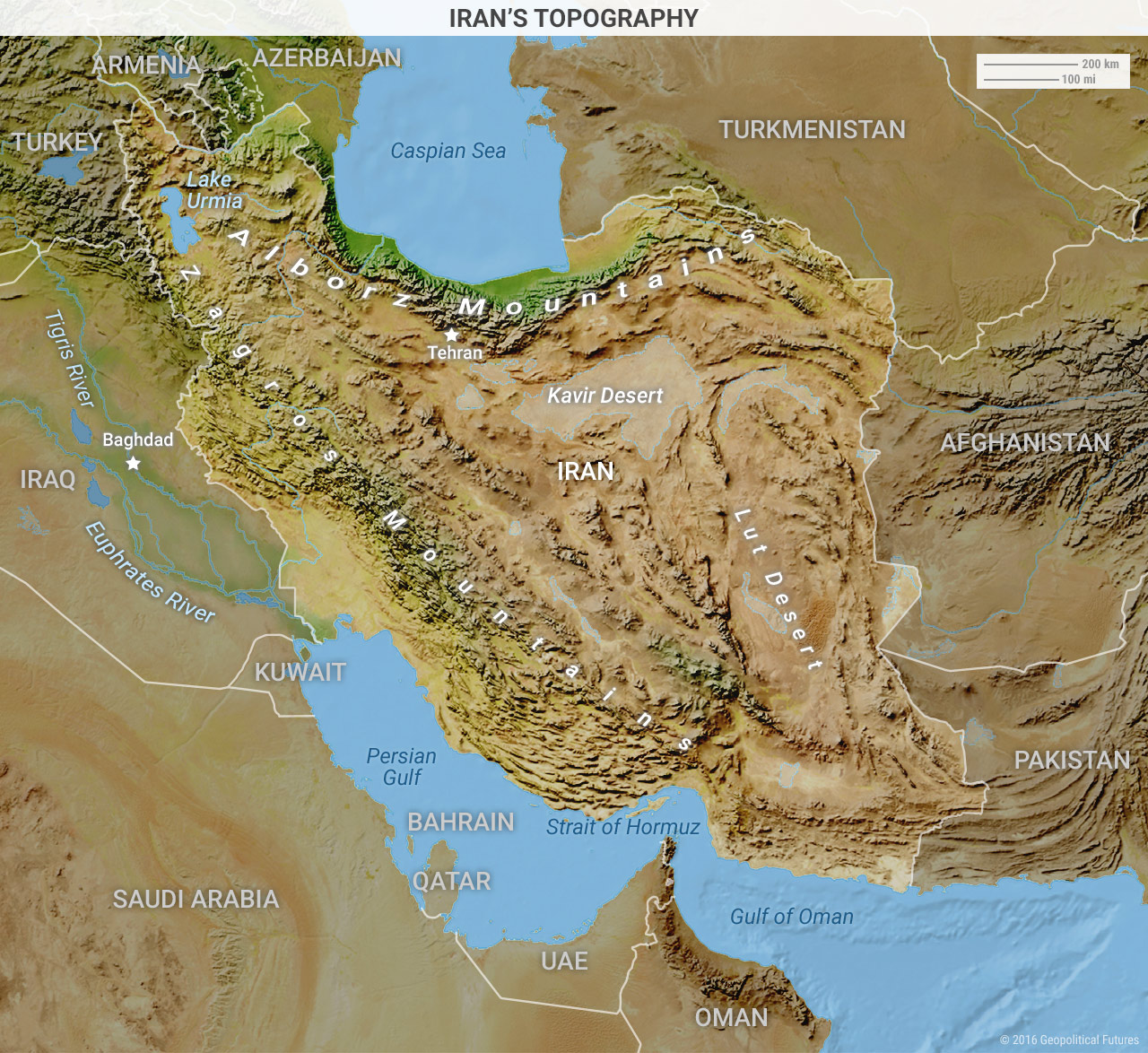
The Strait of Hormuz is the world's most critical energy chokepoint. Right now, it's also a ticking time bomb. Tehran just drew another hard line in the sand, warning that if its own oil exports stay blocked, no other country in the region will be allowed to ship a single barrel either.
Mohammad Bagher Ghalibaf, Iran's parliament speaker, made the stakes crystal clear. In a public address, he stated that regional infrastructure won't remain safe if Tehran's security and economic lifeline aren't guaranteed. This aggressive stance comes as Iranian officials wait for a formal response from Washington regarding a proposal to reopen the vital waterway.
If you're wondering why global energy markets are sweating, you only have to look at the numbers. Before the conflict began, roughly a fifth of the world's oil and liquefied natural gas passed through this narrow corridor. Now? Commercial shipping has ground to a near standstill, caught between Iranian mines, missile threats, and a U.S. naval counterblockade designed to starve Tehran's economy.
The High Stakes Behind the Hormuz Proposal
To understand why negotiations are currently stalling, you need to look past the diplomatic posturing. Tehran floated a plan aimed at unblocking commercial traffic through the strait, but Washington, led by President Donald Trump, quickly pushed back and rejected the initial terms.
Even so, Iranian Foreign Minister Abbas Araghchi noted that a formal U.S. response is expected imminently. The core disagreement is straightforward: Tehran wants guarantees on its oil revenue and a halt to the economic pressure campaign. Washington wants an unconditional reopening of the shipping lane without giving up its primary leverage.
While active military clashes have cooled down compared to the intense exchanges earlier this year, the economic war is raging. The U.S. military maintains a strict counterblockade to choke off Iranian exports, while Tehran continues to ensure that any unauthorized commercial vessel risks striking a mine or taking direct fire.
What Regional Infrastructure at Risk Actually Means
Ghalibaf’s warning wasn't just about shipping lanes anymore. By threatening broader regional infrastructure, Tehran is raising the ante for neighboring oil-producing states. The message is blunt: if Iran's economy is forced to bleed, the entire region's economic stability will be dragged down with it.
This strategy puts U.S. allies in the Persian Gulf in an impossible position. They rely on uninterrupted shipping and stable facilities to export their own petroleum. If tensions boil over into renewed strikes targeting regional energy assets, global crude prices will skyrocket overnight, hitting consumers worldwide at the pump.
We've seen this playbook before, but the current standoff feels different because both sides have locked themselves into rigid positions. Washington is betting that long-term economic sanctions will force Tehran to blink. Tehran is betting that pain in global energy markets will force Washington to compromise.
Where the Conflict Goes From Here
The immediate future hangs entirely on Washington's formal reply to the latest proposal. If the U.S. completely shuts the door on negotiations and doubles down on the counterblockade, expect Tehran to make good on its threats to widen the theatre of conflict. Iranian military advisers have already hinted at expanding pressures toward the Indian Ocean if hostilities resume in full force.
For global supply chains and energy markets, the margin for error has vanished. Keep a close eye on official diplomatic channels over the next 48 hours. The response from Washington will dictate whether the Strait of Hormuz opens up or locks down tighter than ever. Take steps now to buffer against potential energy price volatility, because this standoff is far from over.