When a national currency crashes past 2.5 million rials to a single US dollar, everyday life stops making sense. That is the grim reality hitting Tehran right now. The Iranian rial has plummeted to yet another historic low, tumbling past thresholds that ordinary citizens and veteran market traders alike once thought unimaginable. It is not just a random market fluctuation. It is the direct fallout of a grueling collision between escalating military conflict, a tight US naval blockade, and relentless economic warfare.
If you are trying to understand why this matters far beyond currency charts, you have to look at what is happening on the ground. The latest collapse follows a rapid descent from previous lows earlier in the autumn. Inflation is eating away at savings so fast that middle-class families are liquidating assets just to buy groceries. When the cost of basic survival spirals out of control, public discontent boils over. Tehran is facing a severe financial crunch that threatens to crack the political establishment from the inside out.
The Anatomy of a Currency Collapse
Why is the Iranian rial bleeding value at such an unprecedented rate? The answer lies in a double squeeze. On one side, sustained military tensions across the Middle East have disrupted trade networks and battered domestic infrastructure. On the other, a punishing US-led naval blockade has choked off Iran’s oil exports, which serve as the primary lifeline for the state budget.
Washington officials have made no secret of their strategy. By cutting off petroleum revenues, the goal is to starve Tehran of the cash needed to fund domestic security apparatuses and regional proxy networks. US Secretary of State Marco Rubio recently highlighted this approach, arguing that blocking these funds directly limits Tehran's ability to finance weapon programs.
But sanctions and blockades leave deep collateral damage. Foreign investment has dropped to zero. Industries ranging from mining to manufacturing are struggling to import essential safety gear and raw materials. When coal miners cannot secure basic protective equipment because currency costs are too high, the crisis stops being an abstract macroeconomics debate. It becomes a matter of life and death for workers.
Inside the Battle Over the Strait of Hormuz
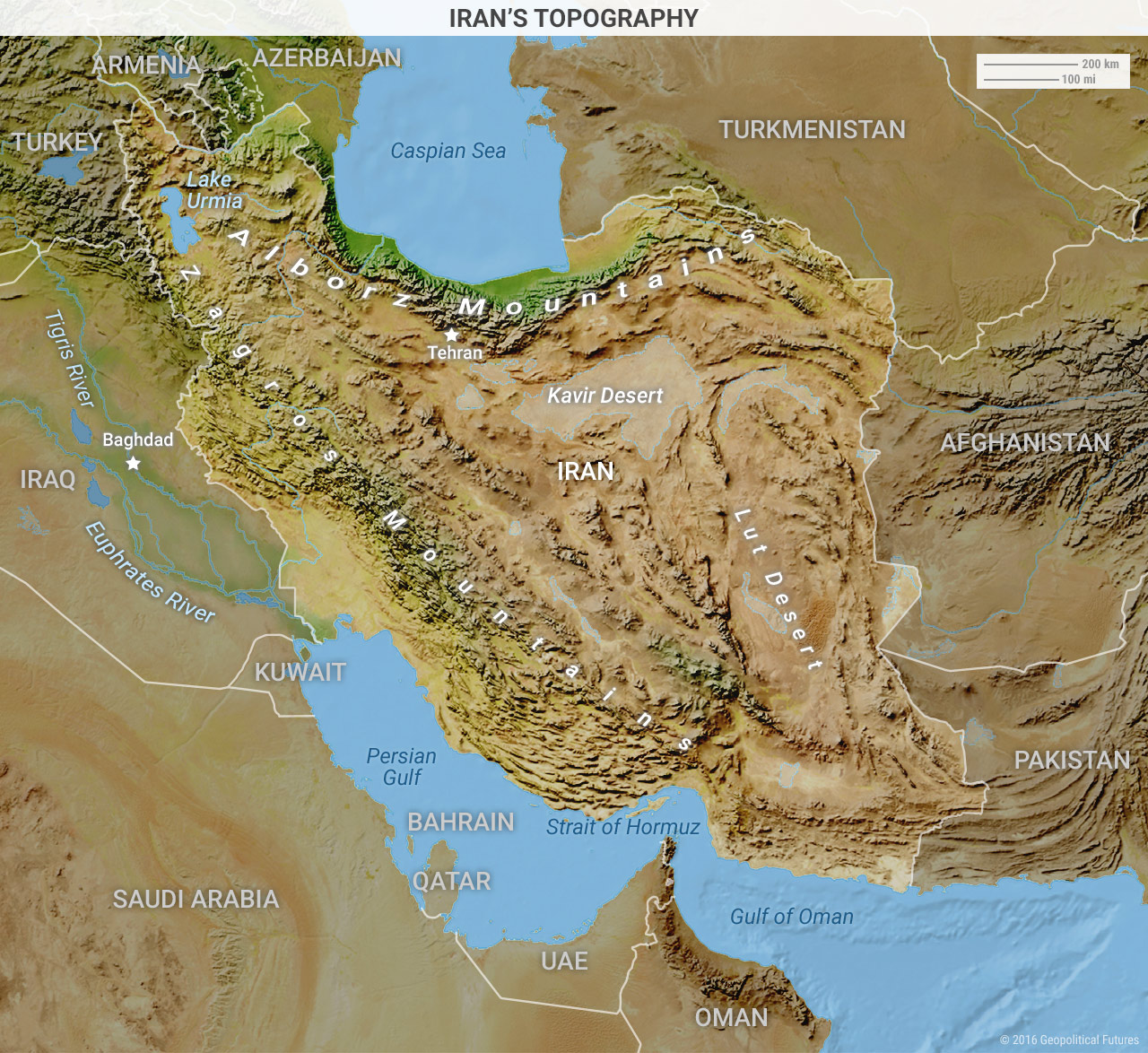
While the currency tanks, a high-stakes geopolitical chess match is playing out in the Persian Gulf. The Strait of Hormuz remains the absolute center of gravity for this conflict. Iran has used its geographic position as leverage, threatening shipping lanes and attempting to extract concessions. Yet, despite repeated warnings from Tehran, oil flows through the corridor have actually ticked upward as major powers push to keep commercial traffic moving.
Washington has largely rebuffed Tehran's early diplomatic proposals for reopening the waterway on Iranian terms. President Trump and his administration are betting that time is on their side. They believe that an economy contracting this sharply cannot sustain a prolonged standoff. Behind closed doors, regional neighbors like Saudi Arabia and the United Arab Emirates are whispering to Washington to hold the line. They want the economic pressure sustained, even as they nervously dodge any escalation that could drag their own borders into direct warfare.
The Domestic Fallout Inside Iran
Back in Tehran, the pressure is trickling down into every corner of society. Government officials are openly acknowledging the unbearable strain on ordinary households—a rare admission of vulnerability from a regime that typically projects unshakable strength.
The economic fallout touches strange places. International exam access for Iranian students has narrowed dramatically, forcing young professionals to undertake expensive, arduous overseas trips just to take standardized tests. Meanwhile, ordinary citizens face swift digital censorship. Social media users report having their phone lines and SIM cards blocked simply for liking political posts on Instagram.
Even the country's aviation sector is feeling the pinch. As strict US sanctions target foreign service providers, Iranian airlines are scrambling to maintain international routes amid threats that regional airports could bar their flights entirely. The state is fighting fires on a dozen different fronts simultaneously.
Where This Goes Next
Hardliners inside Iran's parliament and the Islamic Revolutionary Guard Corps continue to push back against any compromise with the West. They argue that surrender is worse than economic ruin. Yet, as the currency loses its remaining purchasing power, the room for stubborn defiance shrinks.
The reality is stark. Tehran cannot print its way out of a naval blockade, and ordinary people cannot eat revolutionary rhetoric. Until leadership finds a viable path to lift the economic siege, the rial will keep falling, and the pressure on the streets will keep rising.