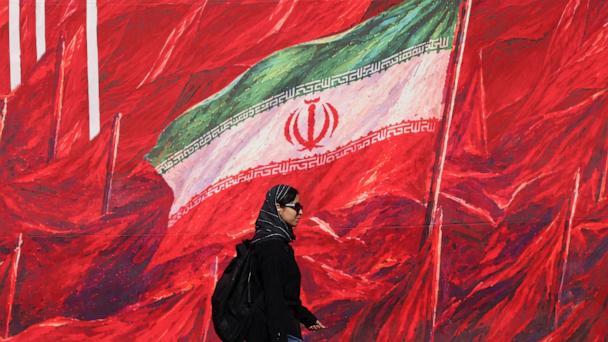
Diplomacy is messy, but Tehran's current stance is a brick wall. Iranian officials keep shutting down direct nuclear talks with Washington, even while Qatari mediators shuttle back and forth trying to stitch together a peace deal. If you're wondering why Tehran refuses to sit at the table despite intense economic pressure and ongoing military posturing, you have to look past the surface headlines.
Foreign Minister Abbas Araghchi made it clear that Tehran has zero plans for direct negotiations with US officials. Mediators are working overtime in Doha, yet the gap between what Washington wants and what Iran demands remains wider than ever.
The Core Demands Blocking the Table
You can't understand this standoff without looking at the conditions. Tehran isn't just playing hardball for the sake of it. Iranian leadership insists that any meaningful conversation must begin with the complete acceptance of their terms to end ongoing hostilities.
Those conditions cover a lot of ground. They want guarantees on regional security arrangements, particularly regarding the Strait of Hormuz, alongside structural shifts in how Western powers treat their national sovereignty. From Tehran's perspective, sitting down for talks without these concessions looks like surrender.
At the same time, hardliners inside Iran are pushing back against any compromise. Lawmakers have even floated the idea of withdrawing from the Nuclear Non-Proliferation Treaty altogether, arguing that membership has brought zero economic relief while leaving them vulnerable.
The Internal Division in Tehran
It's a mistake to think Iran's government speaks with one voice on this issue. President Masoud Pezeshkian and pragmatist factions have argued that staying stuck in a permanent state of neither-war-nor-peace is bleeding the economy dry. They know ordinary citizens are paying the price for high inflation and international isolation.
Security hardliners see it differently. They lean into deterrence and military readiness, warning that showing weakness invites heavier pressure. Defense officials keep parading new domestic missile tech with slogans about "no geographic limits", signaling to Washington that any new conflict won't stay neatly contained.
This internal tug-of-war leaves the country's foreign policy swinging between survival-driven diplomacy and fiery rhetoric.
What Washington Needs to Figure Out Next
The US administration keeps the diplomatic door open, but tone shifts alone won't cut it. Washington wants curbs on advanced uranium enrichment and an end to regional proxy escalations. Tehran wants sanctions lifted and its regional security footprint accepted first.
Until one side blinks or a clever mediator finds a sequence of face-saving steps both capitals can swallow, these indirect talks will keep spinning in circles. Watch the-ground signals in the Persian Gulf rather than the press releases out of Geneva or Doha. That's where the real story unfolds.
Iran Rejects Nuclear Negotiations with Trump Before Ending War Outcomes.. What Are the Conditions?
This video provides an in-depth analysis of the conditions behind Iran's refusal to engage in nuclear talks with the US.