Security officials in Israel are bracing for Iran-linked attacks on Israeli soil after picking up a sharp jump in suspected Iranian plot activity. That's the headline takeaway from fresh reporting on November 27, 2026.
Let's be honest. When people hear "Iran escalation," they usually picture missile barrages, drone swarms, or naval clashes in the Persian Gulf. Domestic infiltration hits differently. Reports point to suspected plots like kidnappings and car bombings, backed by growing worry that armed cells could try to slip into the country.
Why pivot inside Israel's borders right now? A senior Israeli security official cited by an Israeli broadcaster noted that Tehran knows what happens if it launches straight from its own territory. So the playbook shifts toward proxies and covert operatives across the region.
What drives the shift toward Iran-linked attacks
Covert plots aren't random. They usually show up when direct exchanges carry heavy costs or when one side is trying to create friction without crossing a neat red line.
In the broader conflict that erupted in late February 2026—with major air and missile exchanges, Strait of Hormuz disruptions, and renewed fighting along regional fronts—both sides have had to weigh escalation risks. Direct strikes draw immediate retaliation and pull in outside powers. Clandestine cells, by contrast, try to stretch security forces thin at home while keeping deniability alive.
Look at how Tehran has operated elsewhere recently, too. Reports in late November 2026 highlighted ongoing Iranian-linked pressure abroad—from sanctions tied to alleged operatives in Australia to European warnings over hybrid operations and cyber incidents. When a state feels cornered militarily or economically, asymmetrical tactics become more attractive, even if they're messy and risky to pull off.
Still, there's a catch with intelligence warnings like these. Officials talk about suspected plots and growing concerns. In real-time counterterrorism, warning signs don't always turn into executed attacks, and intelligence agencies naturally lean cautious when lives are on the line.
Inside Israel versus across the region
Treating every threat as identical is a classic mistake. A drone heading toward a base or a missile aimed at infrastructure is a military problem first. A suspected car bomb or kidnapping attempt inside civilian areas is a police, border, and domestic intelligence grind.
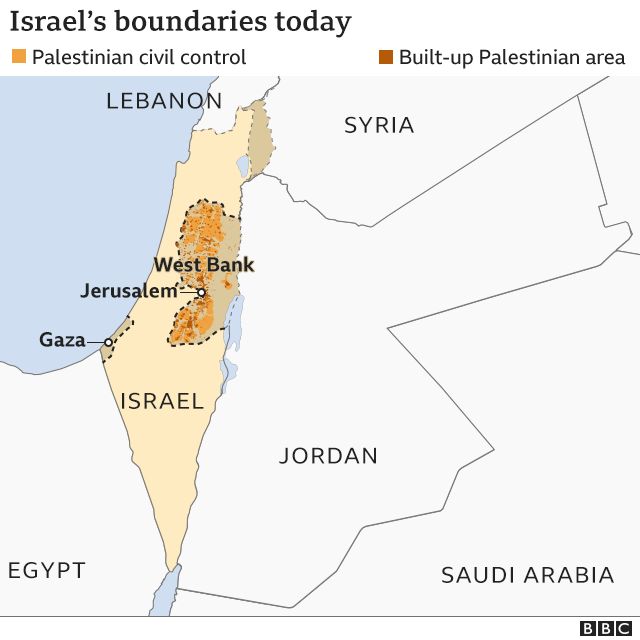
Borders are porous in ways headlines often gloss over. Smuggling routes, contested zones, and chaotic neighboring areas give bad actors room to probe. Stopping an armed cell before it crosses—or before it organizes locally—requires tight coordination between the military, domestic security services, and border units.
Splits at the top over hitting Iran
If domestic threats are rising, you'd expect Israel's top security brass and political leaders to move in lockstep. They aren't.
Reporting from Yedioth Ahronoth on November 27 indicated that Mossad chief Roman Gofman backed an independent Israeli strike on Iran during recent security talks, even without American involvement, pointing to allegations around secret chemical weapons work. Meanwhile, IDF Chief of Staff Eyal Zamir reportedly favors coordinating any renewed strike against Iran with the United States.
That split matters hugely. Going it alone means absorbing the diplomatic and military fallout without Washington's full backing or shield. Coordinating with the U.S. brings heavier firepower and shared air defense, yet it also means compromising on timing and targets—especially as Washington signals hesitation about launching fresh strikes right now.
You can't separate intelligence warnings about covert cells at home from the high-stakes debate over whether to strike Iran directly.
Domestic politics adds fuel to the fire
Timing makes everything trickier in Jerusalem. Coalition negotiations following Israel's parliamentary inauguration are moving ahead with tight deadlines, while opposition figures worry that major security moves—or talk of unilateral strikes—could upend political alignments or push toward a national unity arrangement.
I've watched enough Middle East crises to know that security debates never happen in a vacuum. Even when generals and intelligence chiefs argue in good faith about deterrence and threat timelines, politicians read every move through survival, leverage, and coalition math.
Common misconceptions people get wrong
People tend to view proxy and covert campaigns through two flawed lenses.
- Myth one: A warning means an attack is guaranteed. It doesn't. Security services routinely disrupt chatter, track suspects, and raise alert levels specifically to prevent plots from maturing.
- Myth two: Proxies always obey orders cleanly. Regional groups and local recruits have their own incentives, capabilities, and blind spots. Sometimes a cell is tighter than analysts expect; sometimes it falls apart due to sloppy tradecraft.
- Myth three: Big airstrikes automatically stop small cells. Heavy military strikes can degrade launchers or command nodes, yet determined operatives with small arms or vehicles can still try to slip through gaps.
There's also plenty of debate among analysts over how much leverage covert pressure actually gives Iran. Some argue it ties down Israeli resources and rattles public morale. Others counter that clumsy or exposed plots can backfire, giving Israel stronger justification for harsher responses.
Practical next steps if you're following this closely
Fast-moving security stories breed rumors fast, especially on social media where old clips get recycled as breaking news. If you want to stay grounded without getting whipped around by panic:
- Check the source and timestamp. Separate confirmed official statements from anonymous leaks, and verify when a clip or report was actually published.
- Track multiple outlets. Compare reporting across Israeli, regional, and international outlets to see where details line up and where claims remain unverified.
- Watch the diplomatic and border signals. Pay attention to border closures, airspace or security advisories, and statements from Washington and regional capitals—those concrete moves tell you more than bluster alone.
If you're signed in to a Google Account, saving this thread or coming back to check updates later is pretty straightforward, which helps when a story shifts hour by hour. Either way, keep your eye on verified facts rather than the loudest post in your feed.