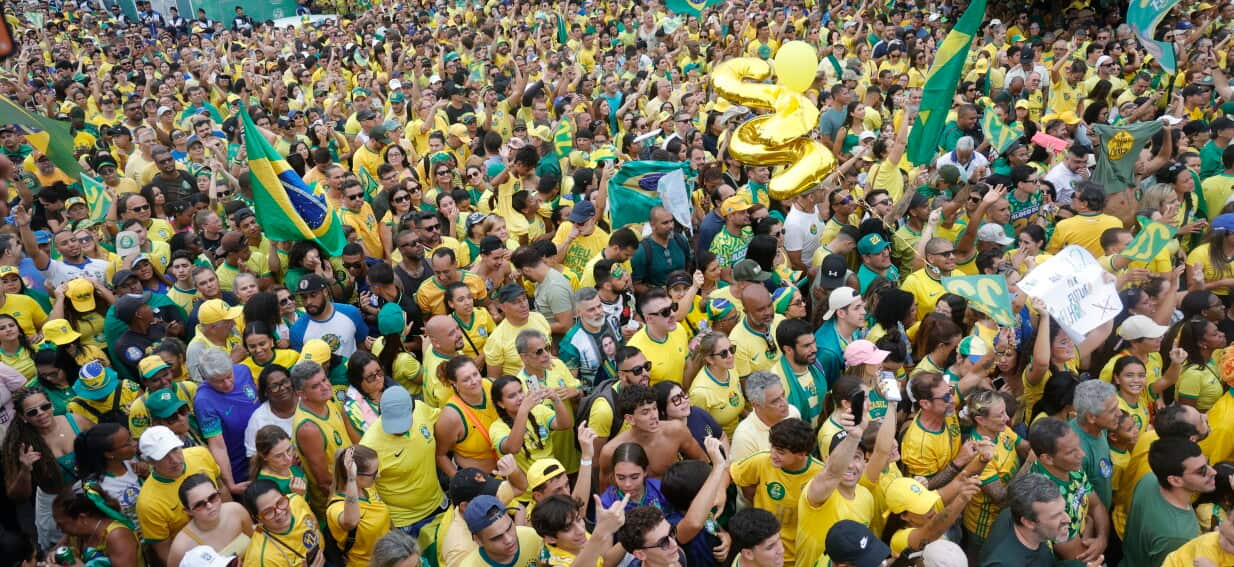
Tens of thousands of Israelis flooded the streets of Tel Aviv, waving national flags and shouting down a leader who has dominated their political reality for decades. You can feel the tension in the air. The upcoming legislative election isn't just another routine trip to the ballot box. It is a referendum on the very soul of the nation, arriving right on the heels of collective trauma and relentless public fury.
If you’ve been watching the build-up to the October 27 vote, you know the stakes are astronomical. Prime Minister Benjamin Netanyahu is fighting for his political survival. His opponents are rallying under a banner of change, demanding accountability for the security failures of October 7 and screaming for an independent commission of inquiry. Netanyahu’s government has pushed back, offering a politically appointed panel instead. The opposition refuses to bite. They're calling it a whitewash, and the streets are reacting accordingly.
What the Protests Are Actually About
You might wonder why these demonstrations feel so different from ordinary political rallies. It’s because the anger is deeply personal. For years, Israeli civil society has demanded answers about how the military and intelligence apparatus could miss the devastating assault that triggered a multi-front regional war.
Protesters in Tel Aviv aren't just chanting slogans about tax policy or judicial reform. They are demanding a full, independent state inquiry into the state-level failings that led to that dark day. Netanyahu’s defenders claim he has guided the country through a fierce war of redemption, arguing that changing leadership mid-crisis is reckless. But his critics point to a fractured economy, deepening international isolation, and an administration they've dubbed the "massacre government."
The math of the upcoming Knesset election makes every single vote count. Recent polls show the anti-Netanyahu bloc locked in a brutal race, likely needing support from Arab political lists to scrape together a governing majority. That's a high-wire act that could either reshape the coalition landscape or hand Netanyahu another polarizing term in power.
The Human Cost Behind the Polling Numbers
Statistics don't capture the exhaustion felt on the ground. Families who lost children on October 7 are running for office on opposition lists like Gadi Eisenkot's Yashar party, while grieving parents also populate the ranks of Netanyahu’s Likud. This shared national grief hasn't united the country. Instead, it has hardened the ideological fault lines.
When opposition figures like Yair Golan take the stage to tell crowds that they didn't back down through rain, sun, or tear gas, they're tapping into a profound sense of exhaustion. People are tired of living on edge. They’re tired of security threats, internal clashes over military drafts for ultra-Orthodox communities, and the looming shadow of regional conflict with Iran.
What Happens Next
The immediate future looks volatile. As election day approaches, law enforcement is on high alert for clashes between pro-government agitators and anti-corruption marchers. Security teams for high-profile opposition leaders have already faced physical threats and assaults in the streets.
If Netanyahu loses, it marks the end of an era for a man who has shaped modern Israel more than anyone else. If he wins, expect a deepened constitutional standoff, fiercer protests, and an economy struggling under the weight of sustained political instability. The voters will have their say in days, but the scars left on this democracy will take generations to heal.