When military strikes ramp up across multiple fronts in the Middle East, people usually ask who has the stronger army. Honestly, that misses half the story. You also have to ask who needs a crisis to survive politically.
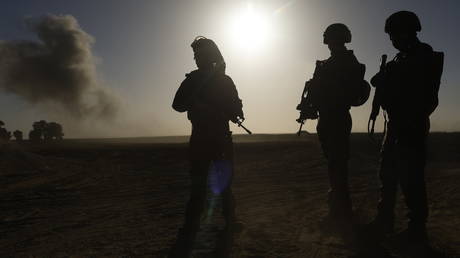
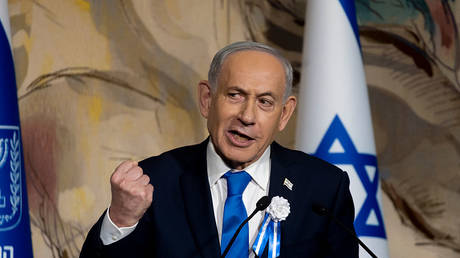
Under caretaker Prime Minister Benjamin Netanyahu, Israel's stepped-up strikes and push for renewed confrontation with Iran aren't just about battlefield targets. They sit at the intersection of raw regional warfare, strained U.S. coordination, and Netanyahu's own legal and political survival. Since major hostilities broke out in late February 2026—with operations involving U.S. and Israeli strikes on Iran, retaliatory attacks across the Gulf, and flare-ups in Lebanon and Gaza—the region has been locked in a tense cycle of escalation, fragile truces, and brinkmanship.
What makes this moment so volatile isn't a single isolated raid. It's the collision between military timing and domestic political pressure inside Jerusalem.
Why Strikes Keep Spreading Across the Region
If you've watched the Middle East over the past year, you've probably noticed how quickly one flashpoint bleeds into another. A strike on one front rarely stays contained.
Following the late-February escalation against Iran—codenamed Operation Roaring Lion by Israel alongside U.S. military action—tensions spilled over into maritime chokepoints like the Strait of Hormuz, triggered retaliatory fire toward U.S. facilities in Gulf states such as Kuwait and Bahrain, and kept pressure high along Israel's northern and southern fronts. Even when temporary pauses or memoranda appeared on paper, clashes repeatedly flared back up.
Military strategists often talk about escalation ladders. In practice, Middle East escalations look less like a neat ladder and more like a chain reaction. Hit a target in one theater, and adversaries look for asymmetric ways to hurt you or your allies somewhere else—whether through missile and drone barrages, shipping disruptions, or proxy pressure.
Gulf neighbors have grown visibly anxious about this spillover. Officials across Persian Gulf states, alongside regional players like Pakistan and Turkey, have pressed Washington to keep a lid on full-scale war. Their fear isn't abstract. If strikes shift from military sites to energy facilities, desalination plants, power grids, or undersea cables, the economic shockwave wouldn't stop at national borders.
The Gap Between Military Assessments and Political Urgency
Here's something most headlines gloss over. Pushing for escalation doesn't always mean every security official agrees there's an immediate military necessity.
Recent reporting on Israeli security assessments and U.S.-Israeli military talks highlights a real tension between "the military clock" and "the political clock". While Israeli defense figures and Mossad leadership have raised intelligence concerns—including over Iran's nuclear and missile capabilities as well as alleged chemical weapons research—senior Israeli figures and political rivals have openly questioned whether a fresh strike is urgent or driven by domestic calculations.
Opposition figures, including leaders tied to Israel's "change bloc" such as Gadi Eisenkot and critics like Avigdor Lieberman, have accused Netanyahu of using escalation and emergency dynamics to block rival coalition efforts or hold onto power. You don't have to take every political accusation at face value to see why it resonates. When a leader faces high personal stakes at home, outside observers naturally scrutinize every major military push.
What Netanyahu Has at Stake Right Now
To understand why Netanyahu's posture draws so much scrutiny, look at the pressures piling up on him simultaneously.
First, there's his legal jeopardy. Netanyahu has been fighting an ongoing corruption trial that carries severe personal consequences if convicted. Second, he has faced intense international scrutiny, including an arrest warrant sought by the International Criminal Court since 2024 over alleged war crimes in Gaza. Third, post-election coalition maneuvering has put his grip on power under strain as rivals work to form a government.
In politics, prolonged crisis reshapes leverage. A security emergency can rally supporters, sideline political opponents, or push rivals toward unity arrangements. At the same time, it carries massive risks. If a military campaign drags on without a clear strategic off-ramp, or alienates key partners, the political blowback can be brutal.
Friction With Washington Over Strategy and Timing
A common mistake people make is assuming Washington and Jerusalem always move in lockstep on strike timing. They don't.
While intelligence sharing and joint operational planning continue between U.S. Central Command and the Israeli military, friction over strategy and restraint has surfaced repeatedly. Netanyahu has pressed for tough action against Iran, whereas the Trump administration has weighed economic pressure, nuclear nonproliferation goals, diplomatic negotiations, and the broader cost of wider regional war.
Regional officials have pointed out that Gulf states worried diplomatic outreach by Israeli officials in Washington could nudge the White House toward another major round of strikes. Meanwhile, U.S. officials have signaled that economic leverage and existing security options remain central to Washington's calculus, even as joint contingency planning continues.
When allies disagree on when to strike—or whether a strike helps or hurts negotiations—mistakes become much more likely. Miscommunication between capitals is one of the fastest ways an unintended escalation starts.
Common Misconceptions About Middle East Escalations
Let's clear up a few myths that keep popping up whenever strikes make the news.
- Myth 1: A single decisive strike settles the score. History in this region shows the opposite. Strikes often degrade specific assets temporarily while prompting retaliatory attacks elsewhere, hardening adversary resolve, or disrupting trade routes like the Strait of Hormuz and the Red Sea.
- Myth 2: Regional Arab states all want the same outcome. They really don't. While several Gulf governments share deep security concerns about Iran and its regional allies, many also fear becoming collateral targets or watching their economies take a hit from regional war.
- Myth 3: Domestic politics is just background noise. In reality, coalition math, legal exposure, and public opinion directly shape which risks leaders are willing to take—and which compromises they refuse to make.
If you want credible context on how armed conflicts and political dynamics interact in the region, resources from organizations like ACLED and major wire services such as AP News offer far more grounded tracking than partisan talking points.
Practical Ways to Track What Happens Next
If you're following this situation closely—whether for geopolitical awareness, business risk, or global market impacts—don't get pulled around by every rumor of an imminent strike. Watch concrete signals instead.
- Track diplomatic channels alongside military alerts. Pay attention to high-level talks involving Washington, Tehran, and Gulf mediators like Qatar, not just military readiness headlines. Real de-escalation usually shows up in concrete terms around shipping, inspections, or ceasefire enforcement, even when rhetoric stays harsh.
- Watch energy and shipping indicators. Keep an eye on Strait of Hormuz transit conditions, Red Sea and Bab el-Mandab disruptions, and oil or freight market reactions. Markets often price in real supply risk faster than pundits admit.
- Separate tactical headlines from strategic shifts. A localized strike or retaliatory exchange is very different from a campaign targeting critical national infrastructure or expanding into a multi-front ground and air war.
- Check multiple independent sources before reacting. Cross-check claims from warring parties or partisan outlets against wire reporting, conflict monitors, and official statements from multiple governments. In high-stakes crises, early reports on targets, motives, and casualties are frequently contested or incomplete.