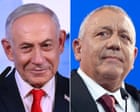
Benjamin Netanyahu is stuck. So is Gadi Eisenkot.
With over 86% of the vote tallied in Israel's latest parliamentary election, neither the ruling coalition nor the main opposition bloc has reached the 61-seat threshold required to form a majority in the 120-seat Knesset. Turnout surged to 77.7%, the highest level the country has seen since 1999, driven by an anxious electorate reacting to three years of intense military conflict, international scrutiny, and domestic upheaval.
Yet, for all the heavy voting, the math tells a brutal story: Israel is in a political deadlock.
The Zionist Dilemma in Building a Coalition
Gadi Eisenkot, the former military chief of staff now leading the opposition "Change" bloc, prematurely claimed a win for what he termed a "Zionist majority" on election night. That phrasing wasn't just a political slip—it was a strategic line in the sand that might end up costing him the prime ministership.
By insisting on a coalition built strictly around Zionist parties, Eisenkot boxed himself into a corner. To cross the finish line without Benjamin Netanyahu's Likud or its ultra-Orthodox partners, Eisenkot needs numbers he simply doesn't have on his own.
The math only works if he brings in the Arab Israeli parties, which are on track for a record-breaking 16 to 19 seats.
       KNESSET SEAT PROJECTIONS (120 Total Seats / 61 Needed for Majority)
 ┌───────────────────────────┬───────────────────────────┬───────────────────────────┐
 │ Netanyahu Bloc (Right)    │ Eisenkot Bloc (Opposition)│ Arab Israeli Parties      │
 │ ~53-55 Seats              │ ~48-50 Seats              │ ~16-19 Seats              │
 └───────────────────────────┴───────────────────────────┴───────────────────────────┘
The split within the opposition is stark. Yair Golan, head of the centre-left Democrats, didn't hold back when addressing Eisenkot's hesitation: "We have no future here if we don't stop being afraid and put an end to racism." Golan pointed out the hypocrisy in refusing to partner with Arab citizens while Netanyahu routinely builds coalitions with ultra-Orthodox parties that reject military conscription.
For Arab Israeli leaders like Yousef Jabareen of the Joint List, the surge in voter turnout represents a clear directive. Arab citizens turned out specifically to counter the far-right policies of figures like National Security Minister Itamar Ben-Gvir. Jabareen made it plain that his bloc can't be ignored under any political scenario, framing the choice for Jewish opposition leaders as simple: "supremacy or building democracy."
How Netanyahu Survival Tactics Keep Him in Power
Netanyahu has governed for 19 of the past 30 years. He knows every loophole in the Israeli political system, and deadlock usually works to his advantage.
As long as no rival can assemble 61 votes, Netanyahu stays in power as caretaker prime minister. That matters tremendously when you're managing a lengthy corruption trial and dealing with active international warrants.
Consider what happens if this gridlock triggers another election:
- Tens of thousands of dual citizens who flew home specifically to vote against Netanyahu might not make the trip a second time.
- Soldiers' ballots—accounting for roughly 14% of the total vote—traditionally lean rightward, potentially tilting close races back toward Likud.
- Netanyahu gets more time to pull individual defectors from rival parties, a tactic he's mastered over decades.
During the campaign, Netanyahu didn't hesitate to deploy extreme rhetoric, even posting dramatic graphic representations of nuclear threats to Tel Aviv to keep his base motivated. Former US President Donald Trump publicly backed Netanyahu late in the race, claiming his endorsement bumped Likud's numbers just enough to prevent a total collapse.
What Happens Next in Jerusalem
The immediate path forward runs directly through President Isaac Herzog. Once the final votes—including military and absentee ballots—are verified, Herzog will task one leader with forming a government within a six-week window.
If you're watching how this plays out, don't just focus on the main headlines. Watch these tactical moves over the next few days:
Watch the Knesset Speaker Vote
The opposition doesn't need a full cabinet agreement to act. They can use a temporary working majority to vote out the current Knesset speaker, take control of the legislative agenda, and pass laws restricting an indicted politician from forming a government.📖 Related: this storyTrack the Soldiers' Ballots
While military votes usually favor right-wing parties, the makeup of the armed forces has shifted. Large numbers of older, more moderate reservists have been called up to active duty over the past two years, which could disrupt traditional voting patterns among military personnel.Monitor Demands from Arab Factions
The Joint List and Ra'am aren't asking for cabinet posts. They're looking for concrete policy commitments: bigger municipal budgets for Arab towns, real action on violent crime in their communities, and an independent inquiry into the October 7 security failures.Look Out for Defectors
Neither bloc is entirely unified. Netanyahu will be working the phones to lure individual conservative members out of Eisenkot's coalition with promises of senior ministry positions.
President Herzog has explicitly urged all parties to avoid driving the country into its sixth election cycle in seven years. But until one side breaks its own ideological taboos, Israel remains locked in political limbo.


