When voters across the border head to the polls, Beirut doesn't hold its breath for a diplomatic breakthrough. As Israel faces an uncertain electoral deadlock between Benjamin Netanyahu's right-wing bloc and centrist challenger Gadi Eisenkot, the mood in Lebanon is pragmatic, weary, and entirely unsurprised.
The widespread consensus across political and civilian lines is straightforward: regardless of who cobbles together a majority in the Knesset, Israeli policy toward Lebanon isn't about to undergo a sudden, peaceful metamorphosis.
The Reality on the Ground
If you talk to analysts or ordinary citizens in Beirut, you'll hear the same fundamental truth. The ongoing military pressures, border security demands, and strategic doctrines governing Israel's northern front transcend any single administration or election cycle.
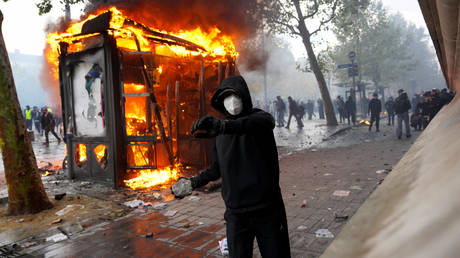
For months, the war in the Middle East has cast a long shadow, and everyday Lebanese citizens have learned not to pin their hopes on foreign ballot boxes. Whether a right-wing coalition or a centrist-led government takes the helm, the core security posture remains heavily fortified.
Israel's strategic calculations in the north are baked into its military establishment. They don't shift simply because a new face steps into the prime minister's office.
Why the Political Shift Won't Change the Border
Elections in Israel often feel high-stakes to domestic observers, especially with the Knesset deeply fractured and Arab-majority parties potentially emerging as surprise kingmakers. But from a Lebanese perspective, these internal parliamentary dramas rarely translate into a softer foreign policy.
Consider the institutional inertia driving military actions. The security establishment operates under strict doctrines that prioritize deterrence and border control, completely insulated from the shifting whims of fragile coalition politics. When neither Netanyahu nor Eisenkot can secure an outright majority without heavy compromises, foreign policy tends to default to the hardest common denominator.
That means security operations, surveillance, and military readiness along the blue line are locked in place.
The Danger of Waiting for External Salvations
Relying on another country's election to alter your geopolitical reality is a fool's errand. Time and again, regional populations look to foreign ballots hoping for a miraculous shift in foreign intervention, only to face the exact same hostile realities the next morning.
Lebanese leaders understand this dynamic intimately. Instead of wasting energy parsing coalition math in West Jerusalem, political actors in Beirut are forced to focus on domestic resilience and economic survival. The state cannot afford the luxury of wishful thinking.
What Comes Next
As the final votes are tallied and political horse-trading begins in Israel, don't expect any dramatic olive branches tossed across the northern border. The structural imperatives driving the conflict are too deep, and the political cost of appearing soft on security is too high for any incoming Israeli leader to bear.
Lebanon knows the score. The policy is rigid, the borders remain tense, and survival demands looking inward rather than waiting for a political miracle from across the fence.