For over three decades, the United Nations General Assembly has run through a familiar diplomatic script. Cuba tables a resolution demanding an end to the American economic embargo. The world votes overwhelmingly to condemn Washington. The U.S. and a tiny handful of allies vote no. Everyone goes home. Rinse and repeat.
Except this year's showdown didn't follow the usual routine.
Under the Trump administration, Washington mounted an aggressive, behind-the-scenes diplomatic pressure campaign that genuinely cracked the consensus. When the digital tally flashed on the screen, 130 countries still backed the resolution to lift the blockade. But the erosion was real. Twenty-five nations abstained, and 17 voted against it. For anyone tracking international relations, those numbers represent a seismic shift in how far American arm-twisting can go when applied with absolute focus.
Inside the Heated UN Floor Clashes
The tension wasn't confined to quiet backrooms or sterile diplomatic cables. It spilled directly onto the assembly floor in a manner that left veteran delegates stunned.
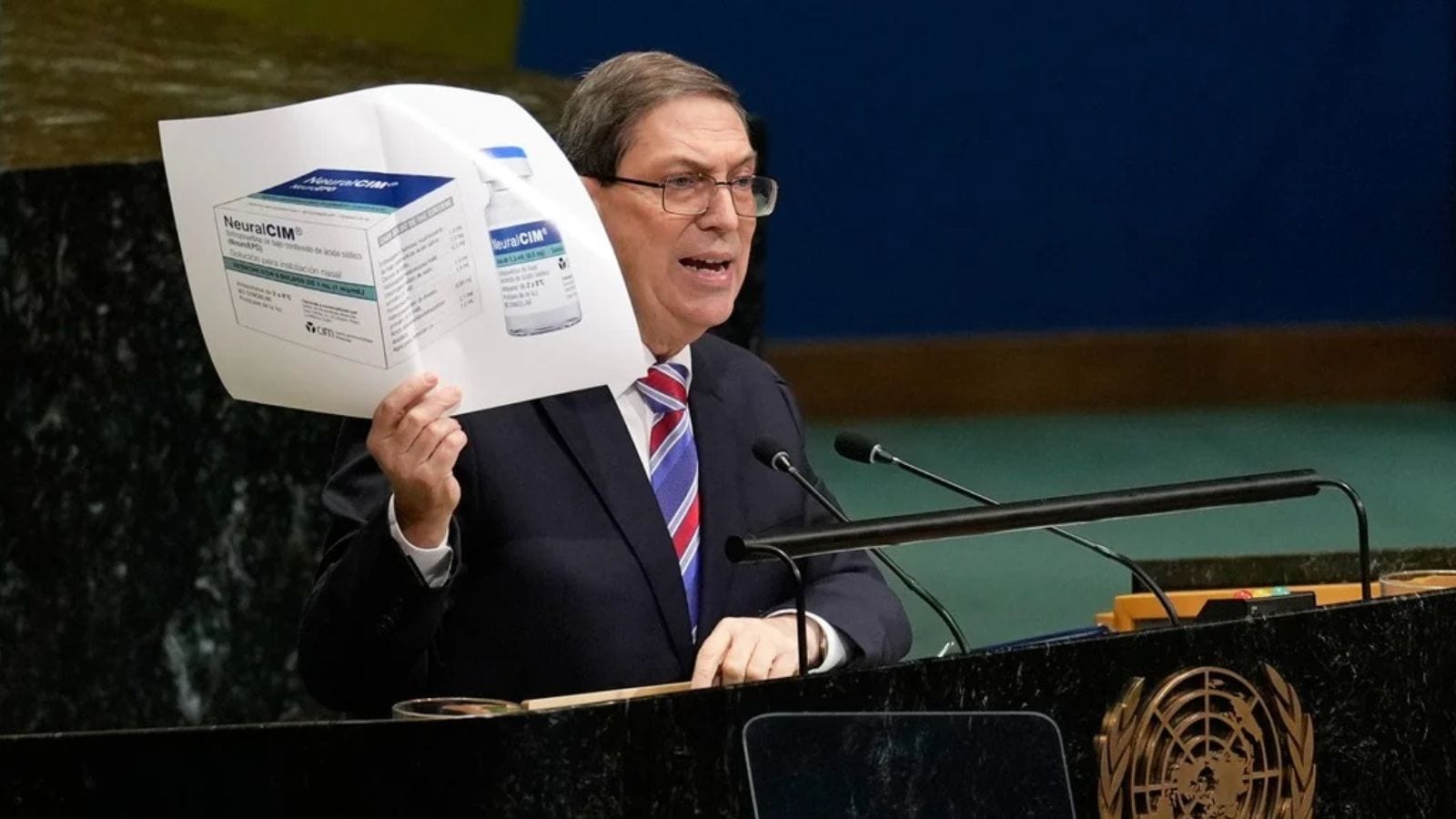
Midway through a speech by U.S. Ambassador Mike Waltz, Cuban Foreign Minister Bruno Rodríguez Parrilla interrupted on a point of order. What started as standard procedural friction quickly disintegrated into an open shouting match. Rodríguez marched down the aisle, pointing toward the podium, shouting that the American envoy was a liar. Waltz fired back, telling him to back up and reminding him who he was dealing with. The assembly president had no choice but to slam the gavel down and suspend the session.
That flashpoint captured the raw nerves underlying the debate. The stakes on the island have reached a breaking point.
The Humanitarian Toll Behind the Statistics
You can't understand why this vote mattered without looking at what's happening on the ground in Cuba right now. The island is buckling under a severe energy crisis. Fuel shortages have triggered cascading failures across basic infrastructure, threatening a broader humanitarian collapse.
The World Health Organization and UN officials reported that over 100,000 surgical procedures had to be postponed due to rolling blackouts and supply shortages. Chronic patients struggle to secure steady medicine supplies, and vaccination programs face constant delays.
Washington views the situation through an entirely different lens. Ambassador Waltz rejected the premise that the embargo bears the blame for Cuba's misery. He pointed out that the U.S. exported more than $876 million in goods to Cuba during just the first eight months of the year. The argument from the American side is straightforward: the island's economic ruin stems from internal government mismanagement and a military-run monopoly called GAESA that funnels national wealth away from ordinary citizens and into the hands of the ruling elite.
How the Trump Administration Shifted the Math
Diplomacy is often about quiet leverage. Weeks before the vote, the U.S. mission hosted targeted events featuring Cuban dissidents and researchers. They laid out case files detailing political prisoners, foreign medical brigade controversies, and systemic corruption.
That targeted outreach worked on fence-sitters. Nations that historically checked the "yes" box or safely abstained suddenly found themselves reassessing their posture. Securing 25 abstentions and 17 opposing votes proves that the U.S. pressure campaign successfully fractured a wall of opposition that had stood firm for years.
Even though the resolution passed—marking the 34th time the UN has demanded an end to the embargo—the moral victory was punctured. Cuba still won the vote, but Washington proved it could peel away support through sheer diplomatic grit and economic gravity.
Cuba remains squeezed between internal systemic failures and external trade barriers that show zero signs of softening. As rhetoric hardens and the humanitarian situation grows more precarious, future votes won't just be symbolic gestures. They'll serve as a barometer for how much isolation a nation can sustain before the breaking point turns permanent.