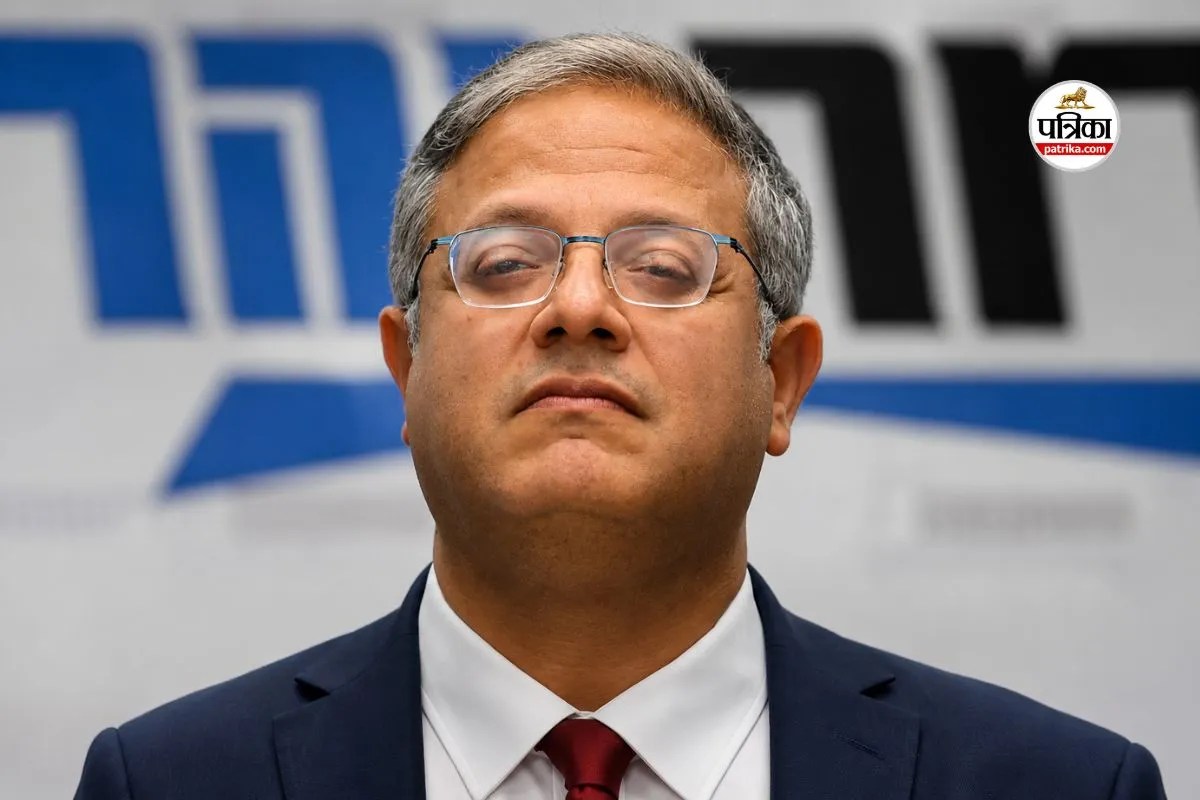
You’ve heard the name before. Itamar Ben-Gvir, Israel’s National Security Minister, is never far from a microphone or a controversy. His latest remarks regarding the war in Gaza have once again ignited intense global debate. Speaking on a podcast, Ben-Gvir suggested that Israeli forces should carry out "30 to 40" targeted assassinations every single night. He went further, claiming that some people in the territory "don't deserve to live" and are "not even people."
These words didn't just cause a stir. They landed squarely in the middle of ongoing international legal scrutiny concerning Israel’s conduct in the war. To understand why this matters, you have to look past the shock value. This isn't just one minister speaking his mind. It represents a specific, militant wing of Israeli politics that has moved from the fringes into the very heart of government.
The Ideology Behind the Provocations
Ben-Gvir isn't a newcomer to radical positions. He’s a long-time acolyte of the late Rabbi Meir Kahane, whose Kach party was outlawed in Israel in 1994 for its role in anti-Arab violence and extremist ideology. Throughout his career, Ben-Gvir has been a magnet for friction. He was once denied mandatory military service in the IDF because his views were considered too extreme for the national institution.
His political ascent is a story of how a self-described provocateur became a kingmaker. As the leader of the Otzma Yehudit (Jewish Power) party, he has used his position in Prime Minister Benjamin Netanyahu’s cabinet to push policies that were once unthinkable. He’s advocated for the re-establishment of Jewish settlements in Gaza—a territory Israel withdrew from in 2005—and has consistently fought against ceasefire deals.
Why This Rhetoric Changes the Conversation
You might wonder why a cabinet minister saying something this inflammatory is a significant issue. It’s because his words aren't happening in a vacuum. International legal bodies, including the International Court of Justice, have been grappling with allegations of genocidal intent regarding the conflict.
When a senior government official—especially one who oversees the police and prison system—uses dehumanizing language, it changes the legal and diplomatic math for the entire country. Legal experts and genocide scholars have noted that this type of rhetoric is frequently cited in global forums to argue that there is a systematic, government-sanctioned intent to harm civilians. Israel consistently denies these allegations, arguing that its actions are purely focused on security, but Ben-Gvir’s public statements provide endless ammunition for his country's harshest critics.
The Domestic Impact
Inside Israel, the divide is stark. Supporters view Ben-Gvir as a "straight shooter" who finally says what needs to be said to protect the nation from Hamas and other militants. To his base, he’s a defender of Jewish security who doesn't care about the sensitivities of the international community.
However, the consequences of his influence are tangible. He has successfully pushed for:
- Relaxing gun ownership laws for civilians.
- Promoting armed neighborhood watches in settlements.
- Taking a harder line against anti-government protesters.
- Blocking or complicating humanitarian aid shipments to Gaza.
For the international community, these actions have led to real-world repercussions. Several countries—including Britain, Australia, Canada, New Zealand, and Norway—have sanctioned him for allegedly inciting violence in the West Bank. Some nations have even moved to ban him from entering their borders.
Beyond the Headlines
The real question isn't just what Ben-Gvir said; it’s what his presence says about the direction of the current coalition. He isn't acting alone. He represents a cohort of ministers, like Bezalel Smotrich, who hold similar views on territorial expansion and the future of the Palestinian people.
When you track his trajectory, you see a consistent pattern. He thrives on being the loudest person in the room. He thrives on conflict. Whether he’s taunting detainees on camera or calling for the escalation of strikes in Gaza, his goal is to shift the goalposts of what is considered acceptable political discourse.
If you’re trying to make sense of the news, don’t look for consistency. Look for the power dynamics. Ben-Gvir knows that as long as his party remains necessary for Netanyahu’s governing majority, his rhetoric—no matter how damaging it is to Israel’s standing abroad—will remain a feature of the current government, not a bug. He has effectively leveraged his position to ensure that his extreme views remain part of the national debate, forcing everyone else to react to him.
The next time you see his name in the news, remember: this is a deliberate strategy. He isn't making a mistake. He is exactly where he wants to be, doing exactly what he promised his voters he would do. The international outcry is not something he fears. For him, it’s proof that he’s holding his ground.