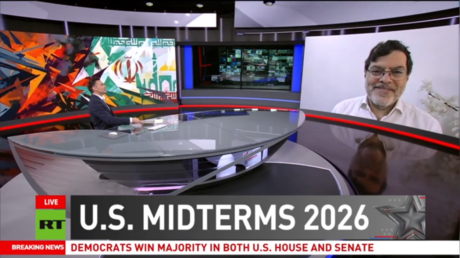
Elections rarely turn on a single variable, but the political fallout from the 2026 midterms has forced an uncomfortably direct admission from the White House. Vice President JD Vance didn't mince words after the Republican Party suffered a bruising defeat at the polls, losing control of Congress in a sweeping wave. According to Vance, the primary culprit wasn't a failure of voter turnout or a lack of conservative enthusiasm. It was the ongoing military conflict with Iran.
In a frank assessment shared on social media, Vance pointed straight at the ballot-box defection of voters who had previously backed the Trump ticket in 2024. "The reason we lost is the war," Vance wrote. He noted that the political cost included losing the Senate for the next six years, challenging party loyalists to openly defend whether the military engagement was worth the legislative wipeout.
The Anatomy of a Voter Shift
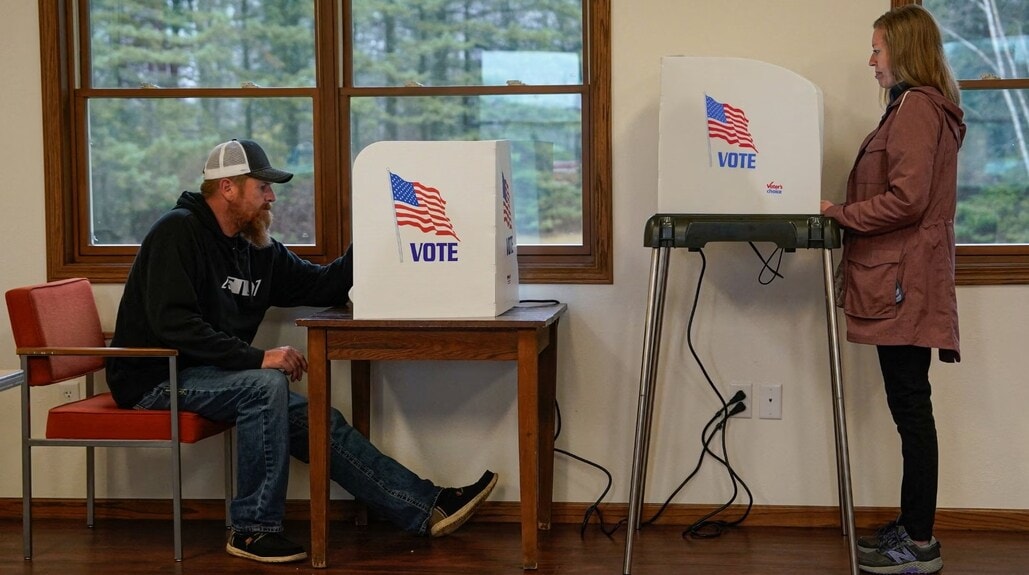
Turnout statistics from key battlegrounds show that Republican base voters actually showed up in force. In states like Florida, the overall partisan makeup of the electorate barely budged compared to the 2024 presidential cycle. Yet, the underlying math broke down because a crucial segment of ticket-splitters and swing voters opted for Democratic candidates instead.
Vance outlined four core grievances that drove these defectors away from the GOP: demands to end the war, intense pressure over the cost of living and inflation, a desire for strict adherence to "America First" principles, and a reassessment of foreign policy alignments in the Middle East. When gas prices ticked upward in the short term due to Strait of Hormuz disruptions and defense expenditures climbed, everyday voters channeled their economic anxiety and anti-war sentiment directly into legislative protest votes.
Inside the Administration Response
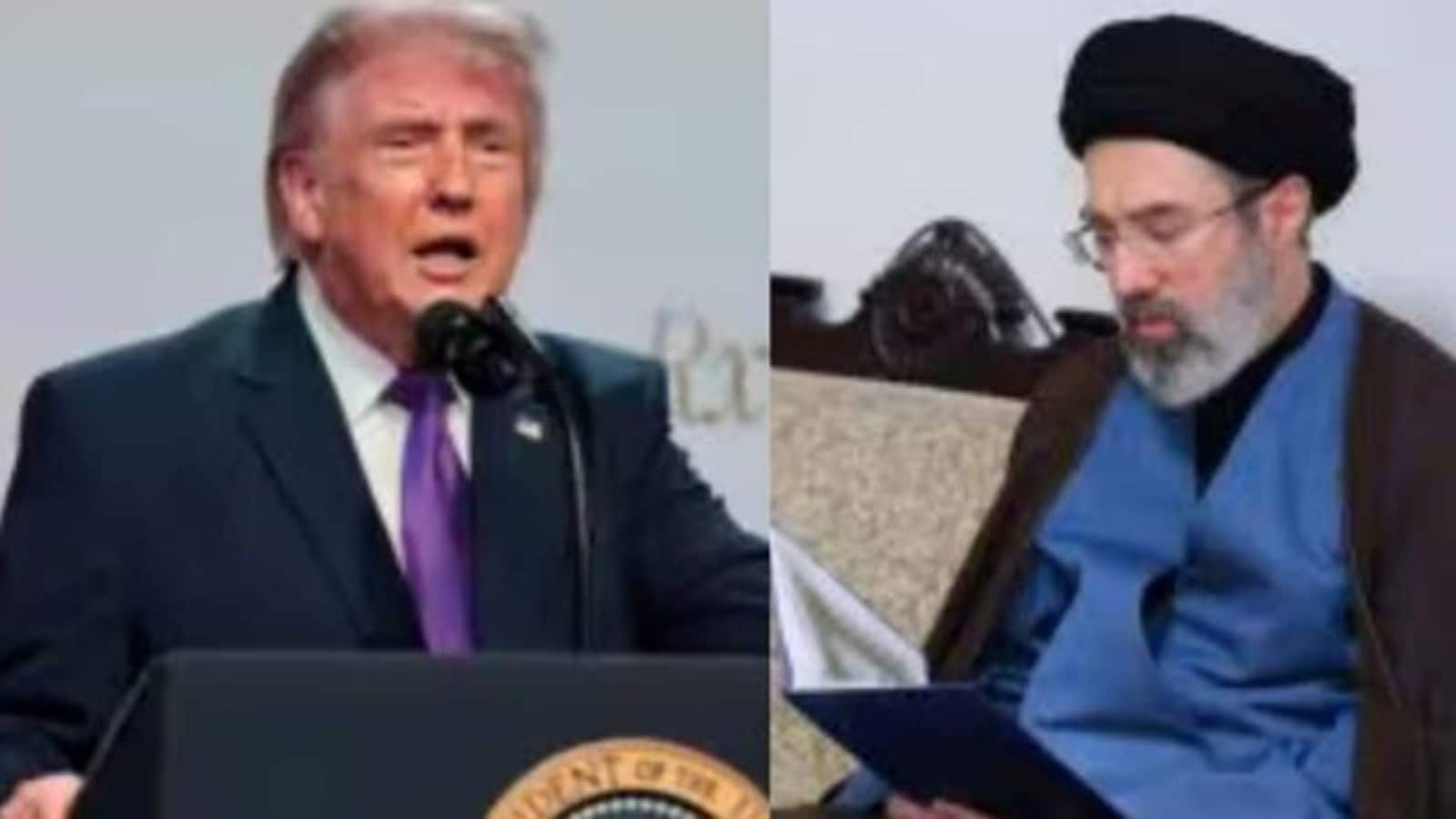
President Donald Trump acknowledged the electoral impact of the conflict, pointing directly to the short-term spike in gasoline prices as a catalyst for voter backlash. At the same time, the administration defended the military actions as an unavoidable necessity. That tension—balancing geopolitical strategy against domestic political survival—exposed a sharp division within conservative circles about how to interpret the results.
Donald Trump Jr. quickly threw his weight behind Vance’s assessment, endorsing the vice president's breakdown with a blunt statement on X. Meanwhile, other party figures tried to deflect blame toward candidate selection or macroeconomic headwinds independent of foreign policy. But Vance argued that ignoring the central role of the Iran war is politically dishonest, insisting that any serious post-mortem must begin with acknowledging the public's rejection of the conflict.
The Path Forward for the GOP
With Democrats securing a historic sweep and taking control of the House and Senate, the legislative landscape has fundamentally transformed. The immediate threat of gridlock, looming investigations, and potential showdowns over executive authority mean the White House has to recalibrate fast.
For Republican strategists looking toward the next election cycle, the message from the 2026 midterms is harsh. Domestic pocketbook issues and foreign entanglements remain inextricably linked in the minds of American voters. If the party wants to rebuild its coalition, it has to reconcile its national security posture with an electorate that is increasingly intolerant of prolonged foreign conflicts.