Geopolitics rarely collides with corporate boardroom drama this violently. When Nvidia chief executive Jensen Huang sent an email admitting to an extramarital affair, he didn't just upend his personal life. He stepped right into the middle of an international security firestorm.
The story exploded across global headlines, dragging the world's most valuable chipmaker into an intense intelligence probe involving Washington, Singapore, and Beijing. Behind the personal confession lies a messy web of export controls, high-stakes diplomacy, and a tech cold war where billions of dollars hang in the balance.
The Allegations and the Confession
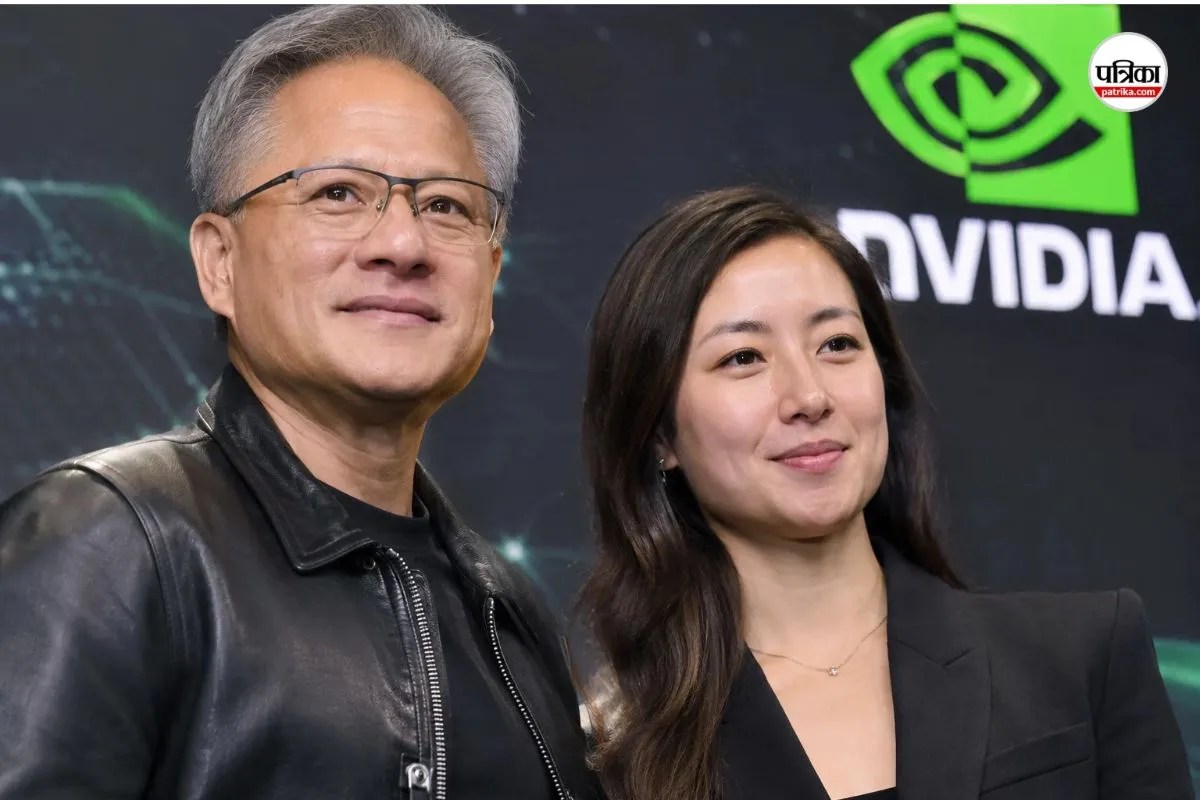
The scandal broke wide open when reports surfaced detailing a relationship between Huang and Alice Huang (also known as Huang Le), a Chinese national and former executive at Megaspeed, a Singapore-based data center company. US intelligence agencies flagged the connection, suspecting that Alice Huang was acting as an intelligence asset for Beijing's Ministry of State Security.
Federal investigators reportedly discovered the association while monitoring communications and examining Megaspeed's rapid expansion. Corporate filings showed the Singapore firm's balance sheet ballooning drastically, fueled by massive deposits from undisclosed sources, sparking fears that the network was funneling advanced American AI hardware to restricted buyers.
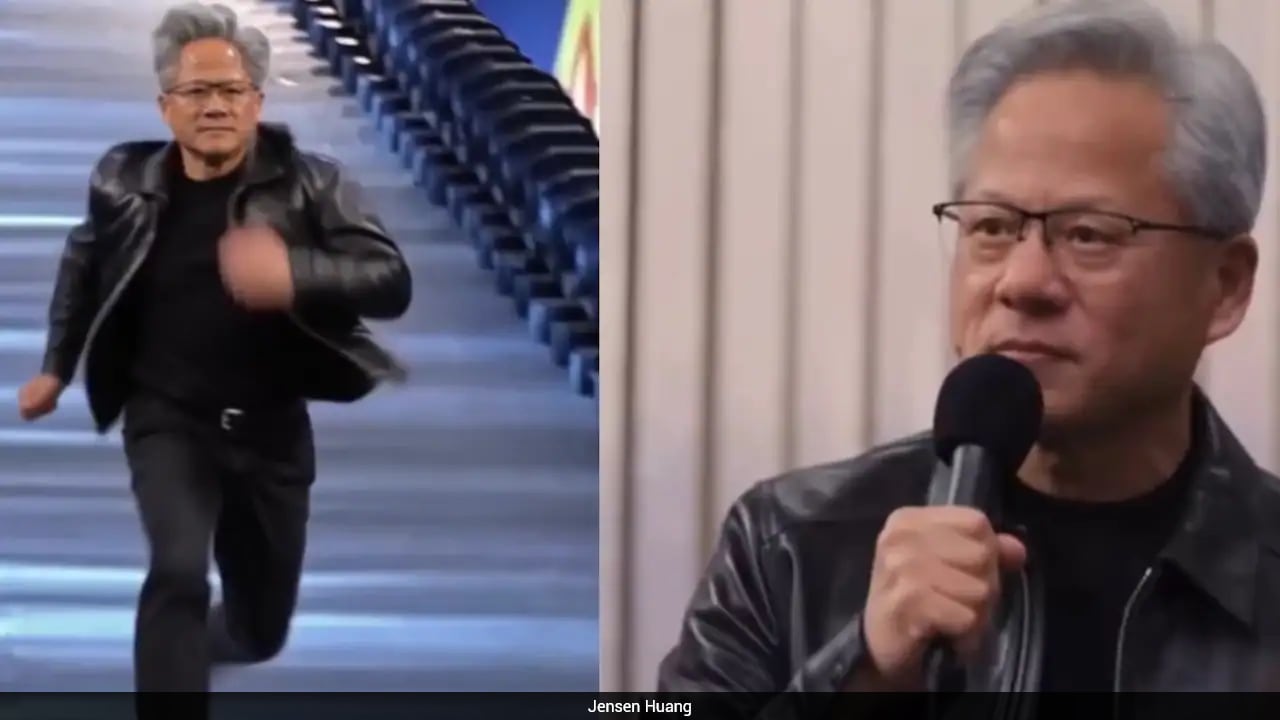
Facing mounting scrutiny and an impending internal review, Jensen Huang didn't hide. In a direct message to Nvidia employees, he took full accountability.
"I was unfaithful to my wife," Huang wrote. "My actions hurt her and our children. There is no excuse for what I did. I am deeply sorry."
Nvidia's board of directors moved quickly, appointing an independent committee assisted by elite legal counsel to examine whether any company secrets or national security assets were compromised. While the board stated it had no early evidence of a data breach, the political fallout was immediate.
Washington Reacts to the Crisis
Silicon Valley's favorite titan suddenly found himself facing intense political pressure. US congressional leaders demanded closed-door briefings from intelligence chiefs, and prominent House committee chairs summoned Huang for questioning regarding national security exposures.
The timing couldn't be worse for the broader artificial intelligence ecosystem. Nvidia chips serve as the foundational engine for modern AI development. With strict US export restrictions designed to keep advanced computing hardware out of Chinese hands, any hint of a leak at the top creates massive regulatory panic.
Meanwhile, Beijing dismissed the reports as pure fabrication and political smears aimed at destabilizing international relations. Megaspeed maintained that its operations complied fully with local laws and international trade rules.
What Happens Next for Nvidia
Despite the corporate drama and a brief market panic that saw investor shares dip, Nvidia's board confirmed that Huang will remain chief executive while the independent investigation proceeds. Company representatives insisted that day-to-day operations will continue without interruption.
Yet, the episode highlights the extreme vulnerability of tech executives caught in the crosshairs of superpower rivalry. As artificial intelligence becomes the defining geopolitical battleground of the decade, the personal lives and associations of industry leaders are subject to unprecedented scrutiny.
Keep a close eye on upcoming congressional findings and Department of Justice updates. The real fallout from this scandal won't just be felt in boardrooms; it will permanently reshape how tech giants handle security compliance and executive access.