Aviation has been stuck in a rut for decades. You get in a metal tube, wings stick out the side, and you burn an obscene amount of fuel to get where you're going. It's essentially the same architecture we've used since the dawn of the jet age. JetZero is trying to break this cycle, and frankly, it's about time.
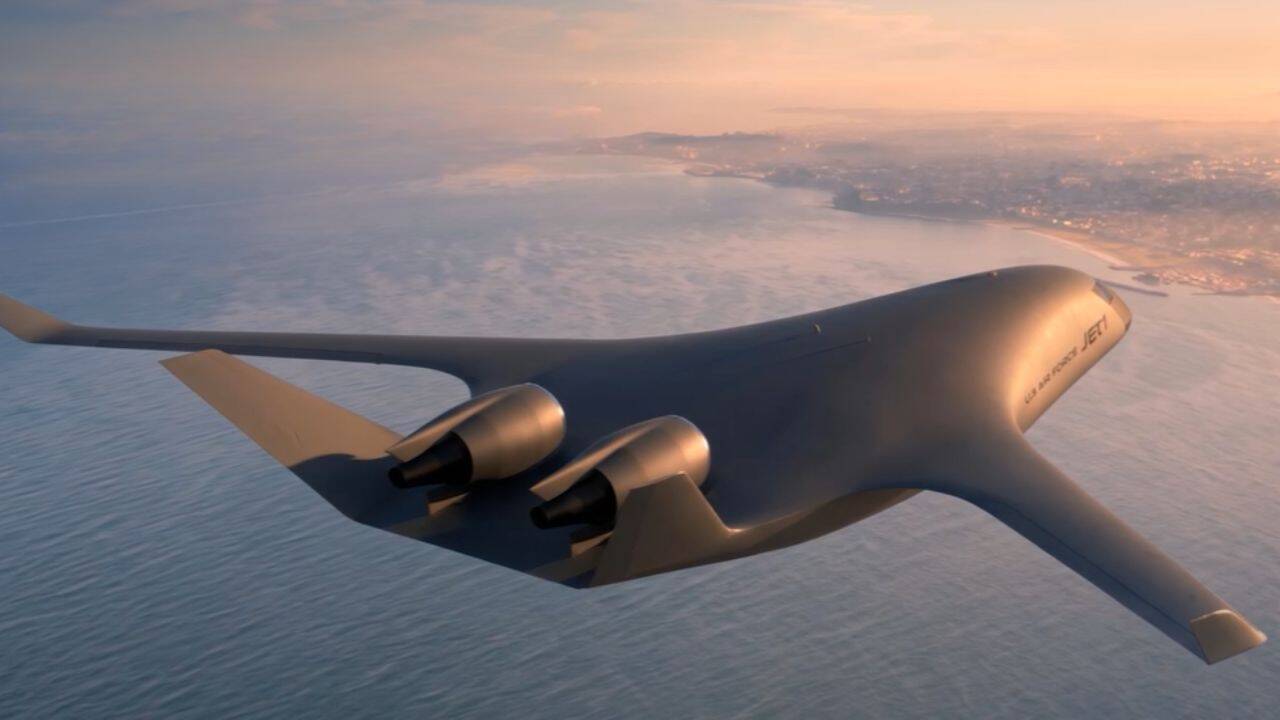
The California startup is building a "blended-wing-body" aircraft that looks more like a sci-fi manta ray than a traditional jet. They aren't just doing this for show. The promise of cutting fuel consumption by 50% isn't just marketing fluff; it's a necessary response to the rising costs of operation and the urgent pressure to lower aviation emissions.
The Design Shift That Matters
Why does the shape matter? Think about a standard jet. You have a fuselage and wings. They are separate entities, creating unnecessary drag. The JetZero Z4 design blends everything together. The entire airframe produces lift, not just the wings. It's a much more efficient use of materials and energy.
By minimizing drag, you need less thrust. Less thrust means smaller, more efficient engines. It’s a cascading effect that, in theory, solves the biggest headache in modern aviation: fuel inefficiency.
I’ve looked at the history of these concepts, and the big problem has always been stability. Boeing and NASA spent years testing the X-48B and X-48C demonstrators. They proved that a tailless, blended-wing design could handle takeoffs and landings. The tech isn't new, but the push to commercialize it at this scale certainly is.
No Windows, No Problem
One feature that will definitely freak people out is the lack of traditional windows. JetZero plans to use screens connected to high-definition cameras to display what's happening outside.
Some passengers will hate this. People love looking out of a window. But from an engineering perspective, this is a massive win. Traditional windows are structural weaknesses in a fuselage. They add weight and complicate the design of the hull. By getting rid of them, the company can create a lighter, stronger, and more aerodynamic cabin. It’s a classic trade-off, and I suspect most people will get used to it pretty quickly once the cabin experience is proven to be superior.
The Reality Check on the 50% Claim
Let's be clear about one thing. That 50% fuel reduction is a target, not a guarantee. It's easy to get excited about big percentages, but aircraft efficiency is dictated by a lot of variables. It depends on how an airline configures the interior, the weight of the cargo, the specific flight routes, and even the weather patterns.
Even if they don't hit 50% exactly, even a 30% reduction would be a massive milestone. It would change the economics for any airline struggling with high fuel prices.
Japan Airlines joining the project is a big deal. They aren't just signing a check; they are bringing operational expertise. They know what happens when you turn an airplane around at a gate, how to maintain a fleet, and what passengers actually need during a ten-hour flight. Their involvement signals that this isn't just an engineering hobby anymore. It's a serious push toward commercial service by the early 2030s.
The Path Forward
So, what's next? JetZero is currently focused on the Jet1 demonstrator. We need to see this thing fly. If they can prove that this architecture works at full scale in 2027, the skepticism will evaporate.
If you are following this, stop looking for a perfect, final product today. This is an iteration process. The military is involved for a reason—they want better range and more efficient cargo movement. That funding provides the runway for JetZero to get the civilian version into the air.
Keep an eye on the 2027 test flights. That is the moment everything changes. Either this design becomes the future of how we fly, or it becomes another interesting footnote in aviation history. If it succeeds, the airlines that signed on early, like United and Delta, are going to look like geniuses. Everyone else will be playing catch-up.