You can't talk about global energy security right now without looking at a tiny strip of water that basically holds the world's oil supply hostage. On the sidelines of the UN General Assembly in New York, European Union foreign policy chief Kaja Kallas sat down with Iranian Foreign Minister Abbas Araghchi. The core agenda wasn't just diplomatic pleasantries. They tackled the ongoing US-Iran conflict and the absolute necessity of keeping the Strait of Hormuz open for commercial traffic.
If you've been following shipping logistics or energy markets, you know why this matters. When chokepoints like Hormuz or the Bab al-Mandab Strait face threats, global supply chains instantly feel the shockwave. Kallas didn't mince words after the meeting. She posted on X that transit through these vital waterways must remain completely free and unimpeded. Her point was simple. Before the current war, nobody paid tolls or fees to pass through. They shouldn't start now.
Why the Strait of Hormuz Remains a Global Flashpoint
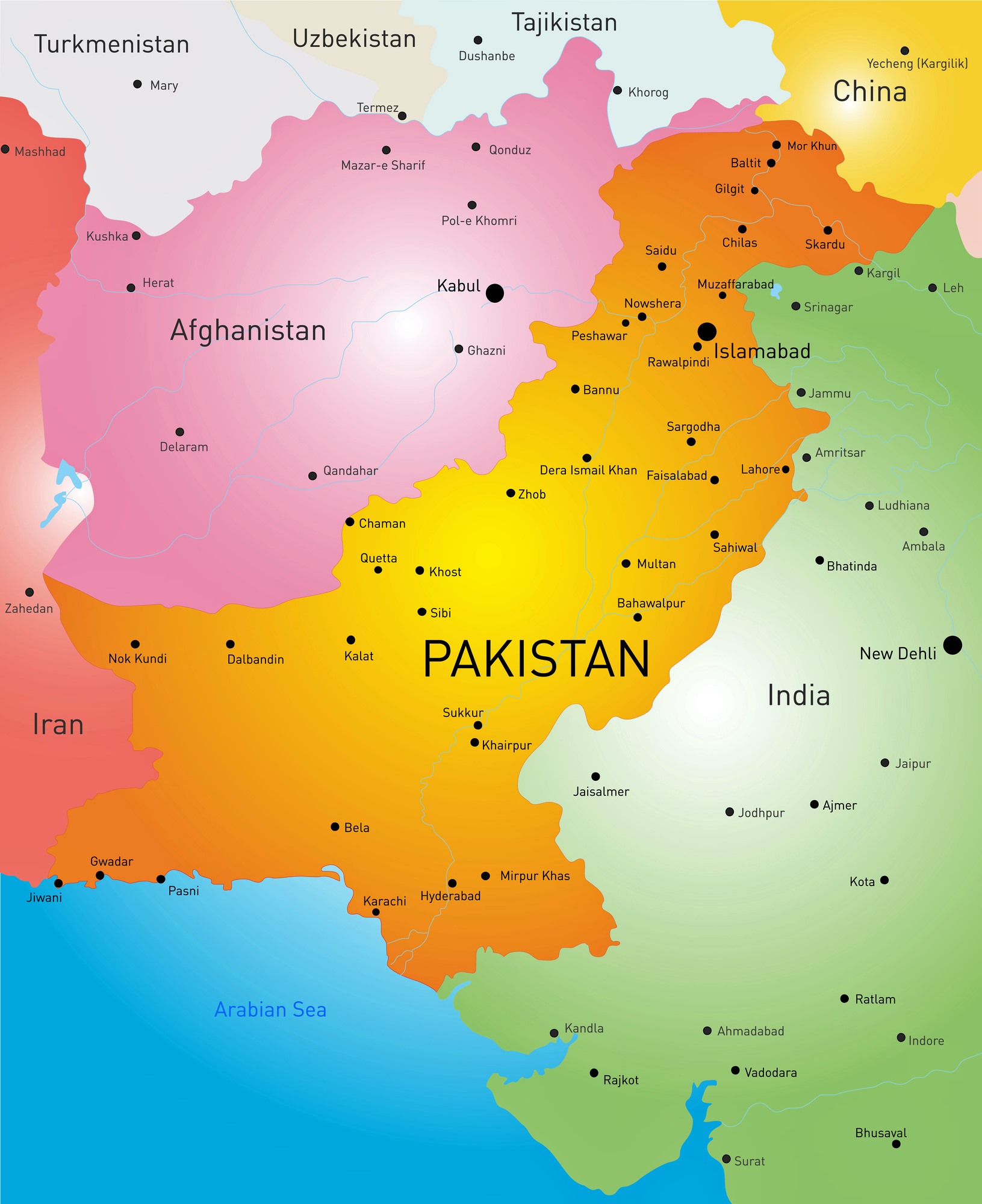
Let's look at the actual geography and stakes here. Roughly a fifth of the world's petroleum passes through the Strait of Hormuz daily. When political tensions spike between Washington and Tehran, maritime traffic becomes a primary target or bargaining chip. Insurance rates for cargo ships skyrocket overnight. Tankers reroute, burning more fuel and adding weeks to delivery times.
Kallas pushing back against potential tolls isn't just about European economic interests. It's about maintaining international maritime law. Unrestricted navigation is the baseline assumption of global trade. Once you let a regional conflict dictate who can pass through a public international strait and who has to pay a fee, you set a dangerous precedent.
Beyond Oil: Human Rights on the Table
Diplomatic summits rarely stick to just one issue, and this meeting was no exception. Kallas brought up what she called domestic repression inside Iran. She specifically flagged a sharp rise in executions and death sentences.
For Brussels, trying to balance diplomatic channels with a hostile regime is always walking a tightrope. You have to talk about de-escalation and shipping lanes to prevent a broader economic catastrophe. At the same time, ignoring internal crackdowns destroys credibility. Kallas chose to put both on the table. Whether Tehran changes its domestic policy based on EU warnings is doubtful, but keeping the pressure public matters.
What Comes Next for US-Iran Backchannels
While European diplomats try to secure commercial shipping routes, separate tracks are moving behind the scenes. US special envoy Steve Witkoff and Jared Kushner recently engaged in a three-hour meeting with mediators working on a potential deal with Iran. Trump described that session as very good, framing the choice for Tehran in stark terms: potential greatness or total obliteration.
We are watching a multi-layered diplomatic dance unfold in real-time. On one side, Washington and its intermediaries are testing the waters for a comprehensive deal. On the other, European Union officials are trying to safeguard immediate infrastructure, like the Strait of Hormuz, so the rest of the world doesn't starve for energy while politicians negotiate.
Keep an eye on tanker insurance rates and shipping data out of the Persian Gulf over the next few weeks. That will tell you faster than any press release whether these high-level talks are actually easing tensions on the water.