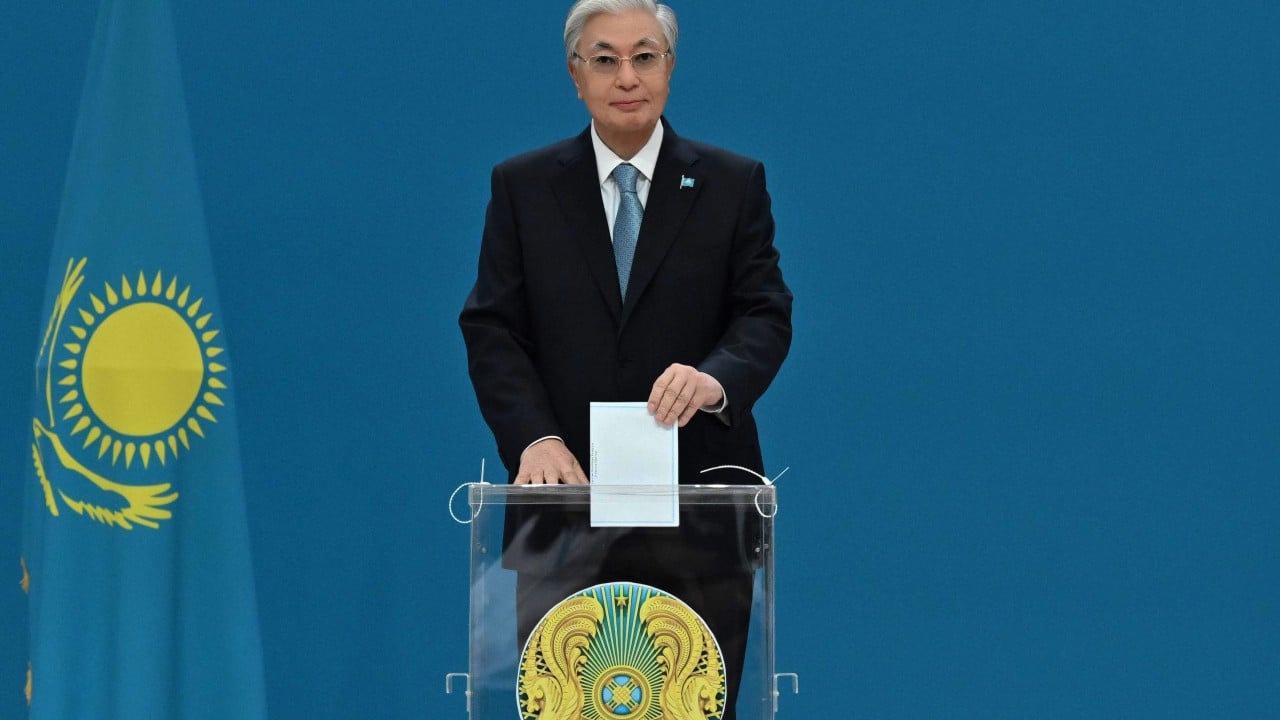
Kazakhstan is reshaping its entire legislative framework. Following a constitutional transition that wiped away the old bicameral system, voters headed to the polls to elect the first-ever single-chamber Kurultai. President Kassym-Jomart Tokayev is steering a massive political restructuring, and the early returns point to a commanding victory for pro-presidential factions.
If you have been tracking Central Asian politics, you know this vote isn't just about filling 145 new parliamentary seats. It is the culmination of a years-long campaign by Tokayev to dismantle the heavy political legacy of his predecessor, Nursultan Nazarbayev, while cementing his own roadmap for the country. Don't miss our previous post on this related article.
The Anatomy of a Shifting Parliament
For decades, Kazakhstan operated under a traditional bicameral layout featuring the Mazhilis and the Senate. That architecture ended when a sweeping new constitution took effect. The newly established Kurultai strips away appointed seats entirely, placing all 145 mandates up for election across a single nationwide constituency.
Seven registered party lists competed for space, with exit polls indicating that forces aligned with the current administration are coasting toward a massive majority. Tokayev has consistently positioned these moves as a democratization drive, pointing to lower thresholds for party registration and a constitutional ban on prolonged executive overreach. Yet critics and independent analysts point out that the playing field remains heavily tilted in favor of pro-government entities. If you want more about the context here, BBC News provides an informative breakdown.
Turnout hit roughly 74 percent, signaling strong domestic engagement even as citizens navigate persistent economic pressures, inflation, and shifting regional trade dynamics involving Russia and China.
What Tokayev's Long Game Means for Stability
Tokayev isn't just winning elections; he is fundamentally redrawing the rules of presidential tenure and state succession. After breaking away from Nazarbayev's shadow during the turbulent civil unrest, Tokayev pushed through term-limit restrictions and engineered a system designed to look modern on paper while retaining tight central control.
By establishing new state advisory bodies and restructuring government accountability, Tokayev aims to insulate his administration from internal elite infighting. Upcoming appointments, including a newly defined vice-presidency, will clarify who shares real power in Astana.
Investors and foreign diplomats watch these transitions closely. Kazakhstan remains a critical energy corridor and a geopolitical buffer between major global powers. Stability here dictates regional security across Central Asia.
Keep an eye on the official certification of the Kurultai results and the ensuing cabinet shakeups. That's where the real governance begins.